I call myself an amateur true crime writer, and I have vowed to tell the stories of every single victim of October 7, even if it takes me the rest of my life. But October 7 was not the first terror crime against Jews. It might have been the worst since the Holocaust, but it was not the first, by far. Terrorism directed at Jews and Israelis has been happening for many years. So this time, I want to tell the story of someone I knew personally, someone who was murdered in a terror attack, for no reason at all, except that he was Jewish.
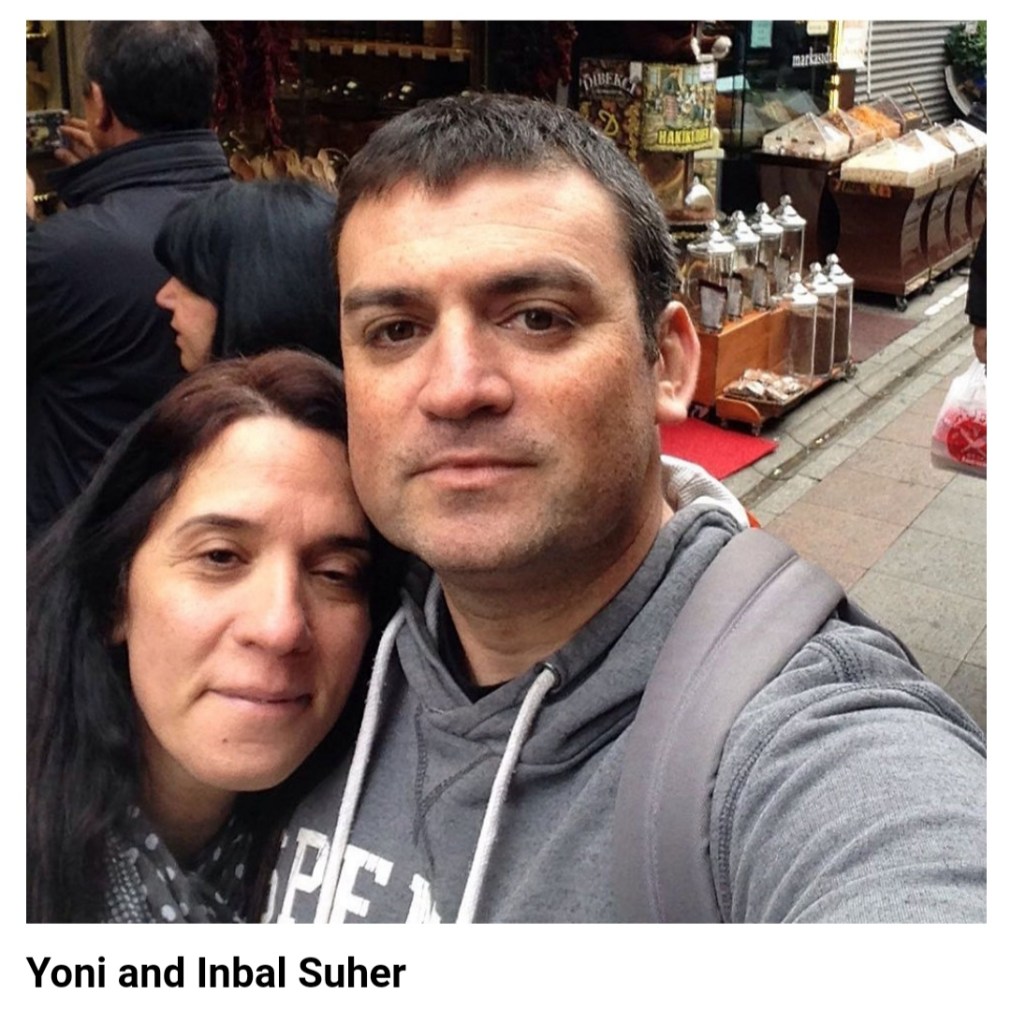
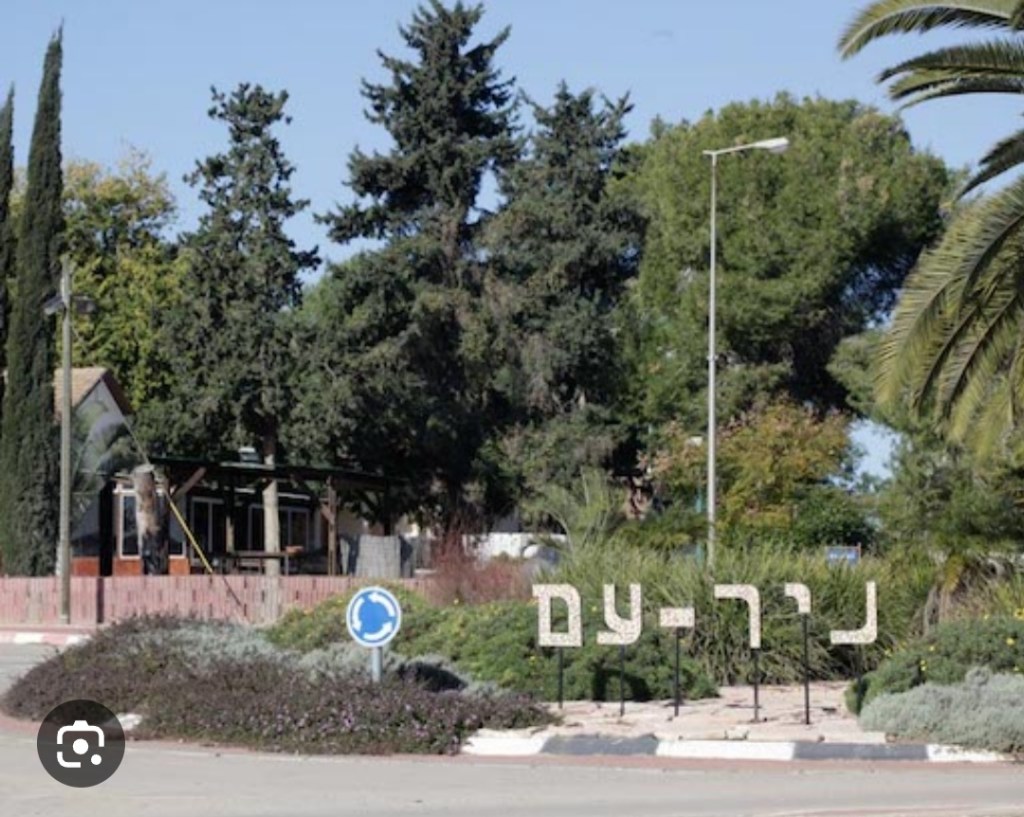
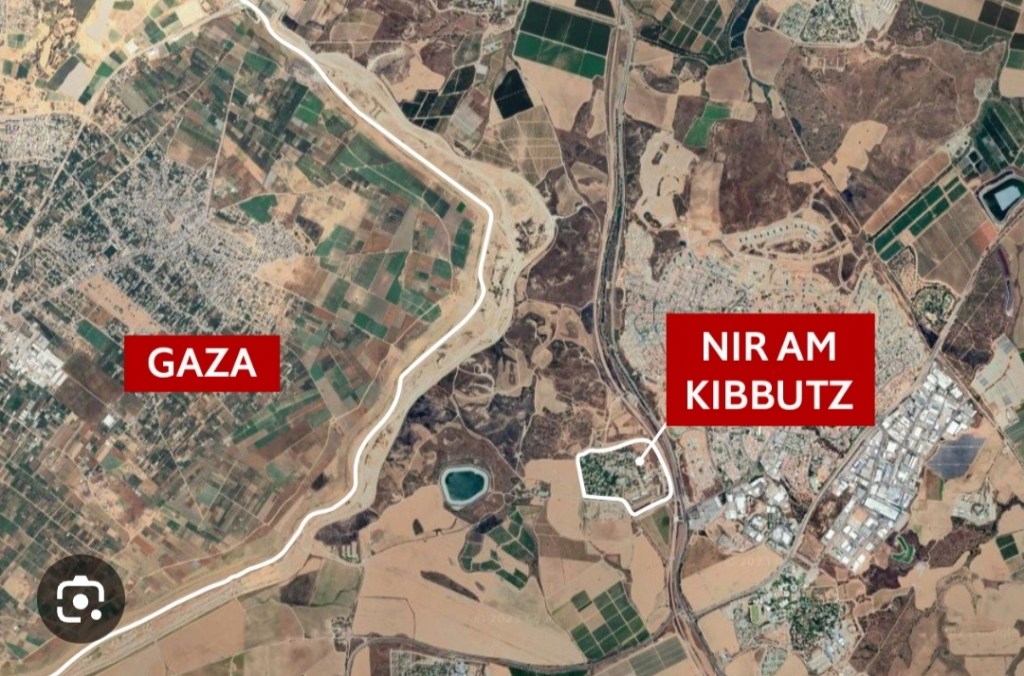
That person is Yoni Suher. I know his family well. They live in my kibbutz and I have known them for more than 23 years.
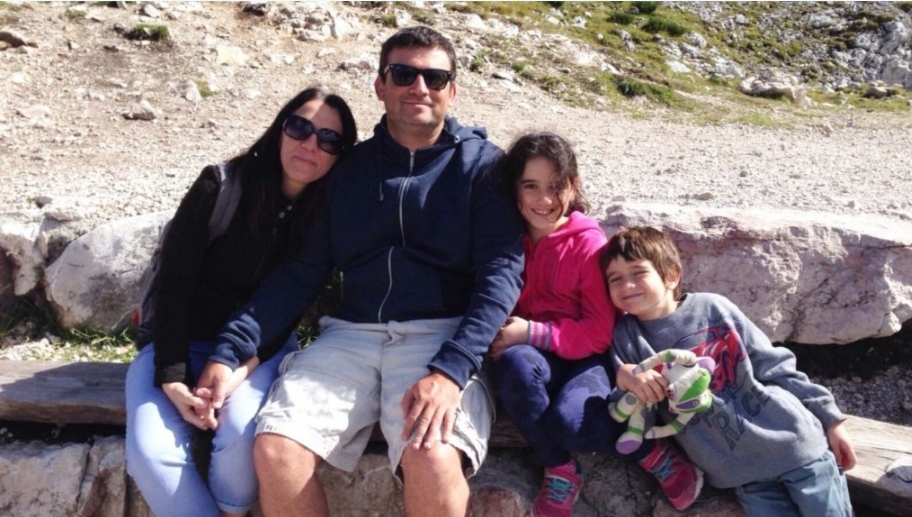
Yoni was the oldest of five children. His father is an American Jew who immigrated to Israel, married an Israeli woman and settled down in her kibbutz. All their children have American citizenship, in fact, Yoni was born in Portland, Oregon. Yoni’s father is a beloved member of our kibbutz, an English teacher and someone who went above and beyond to make our kibbutz a wonderful place to live. The entire family is very active in sports and three of the brothers, including Yoni, played handball on national level.
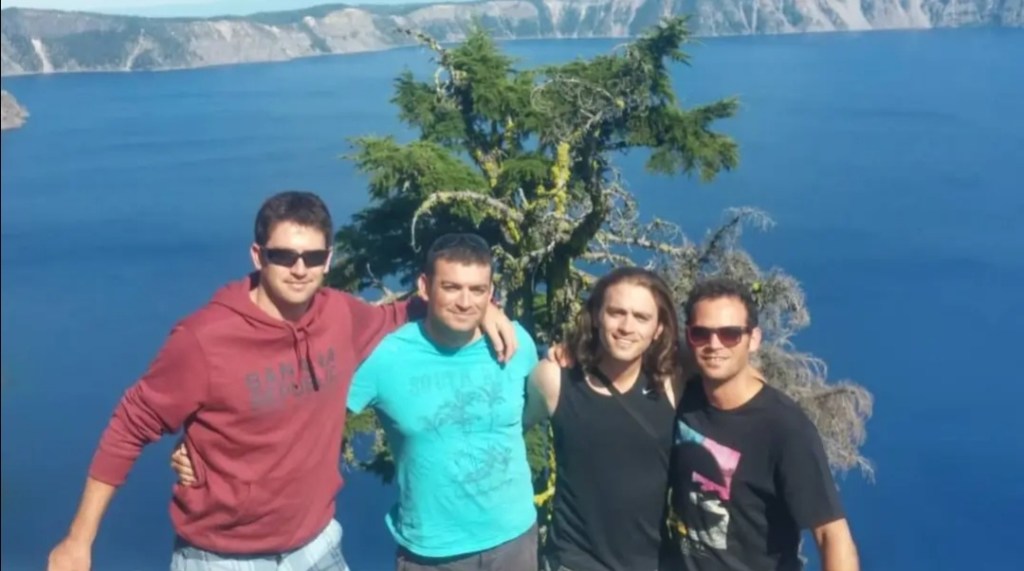
I might not be the best person to describe Yoni Suher. My husband grew up with him, but I didn’t know him well, as he left the kibbutz before I came to live here permanently. But I know that Yoni was a charismatic person, like his whole family. Someone who drew attention to him, who wasn’t afraid to take up space, to voice his opinions and take action. He was a very active person, who played sports and worked hard all his life. An intelligent guy, who spent his army days in the military police, who studied law and worked in hi-tech. Someone well-liked, with a lot of friends, who loved partying and travelling.
Yoni married Inbar Marom, a well-known television producer who produced some very popular TV shows, talent shows like Kohav Nulad, the Israeli version of American Idol. They lived in Tel Aviv and had two children together. They both loved travelling and food, so for Yoni’s 40th birthday, Inbal surprised him with a culinary trip to Istanbul, Turkey. It was an organized group tour from Israel, so the group consisted of Israelis. They were excited to go for a rare holiday together, without the children.
On March 19, 2016, the group was walking along Istiklal Street in Istanbul, talking and laughing, stopping to admire shop windows and restaurants. They also took a group photo. In this photo, Inbal is the second woman from the right, in the back. Yoni is standing next to her, his head is turned away from the camera.

.
That same morning, a Turkish man by the name of Mehmet Öztürk arrived in Istanbul by bus, and walked through the city until he got to Istiklal Street. Under his coat, Mehmet wore a bomb belt. The bomb was filled with nails and sharp pieces of scrap metal. Mehmet knew that when he detonated the bomb, he would die. But he was not afraid. He was proud to give his life for his cause: the Islamic State. In his mind, radical Islam already ruled the world. And those who did not agree with that and lived as if they were in a free world, had to die. Sacrificing his life to kill those people, the infidels, was the highest honour, and he would be rewarded in the afterlife.
Mehmet Öztürk slowly walked along Istiklal Street. He was waiting. Waiting for the best opportunity, the ideal victims. Most people he saw were Muslims and spoke Turkish. They were unworthy, because they were secular Muslims, but he knew there were better targets on this street. And then, he heard a different language. A group of people passed him, chatting and laughing in that language, which he recognized as Hebrew. They were Jews, Zionists. The worst enemies of the Islamic State. Mehmet turned around and started to follow them. He had found his victims.
Moments later, a deafening explosion rang through the street.
Yoni Suher was killed instantly by the blast, together with two other Israeli tourists and an Iranian. Their names were Simcha Dimri, Avraham Goldman and Ali Razmkhah. Inbal was seriously injured, along with 36 others, who were of Israeli, Turkish and European nationalities.
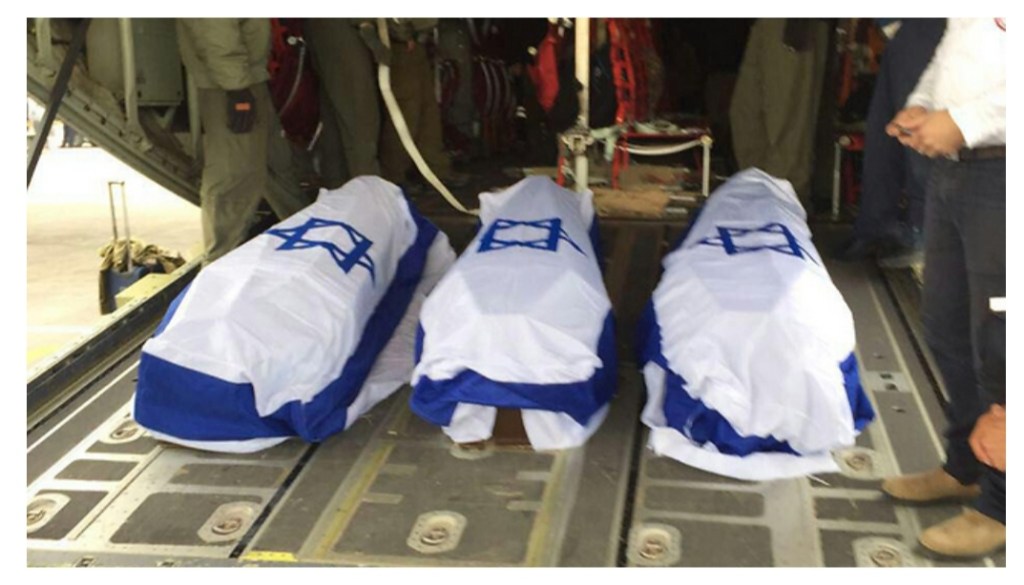
The shockwaves of that explosion reached over the entire world. Our kibbutz was shaken to its core. Yoni’s family was heartbroken. His two young children had lost their father, and their mother was in hospital, fighting for her life. Yoni’s funeral was the most painful thing I had ever seen. Everyone was crying, everyone was holding on to each other and to the Suher family. We didn’t know what to do. We couldn’t make this better.
It was the first time I realized what murder really means, and the damage it does, not only to the victim, but to their family, their friends, their entire community. And I realized what it means to be a Jew, or an Israeli. To always look over your shoulder, to hide your identity, to make sure not to speak your language in public. And because I married an Israeli, this is now my reality, too.
Seven years have passed since Yoni’s murder. Fortunately, Inbal recovered physically and is back at work, back at being a mother. Whenever I ask the family how they are doing, they say they are ok. But I know something was broken in them that will never heal. Still, life goes on. Grandchildren were born, relationships formed, milestones reached. The family grows older. But Yoni will forever be 40 years old.
.


 Stories of Israel