Danny Darlington and Carolin Bohl

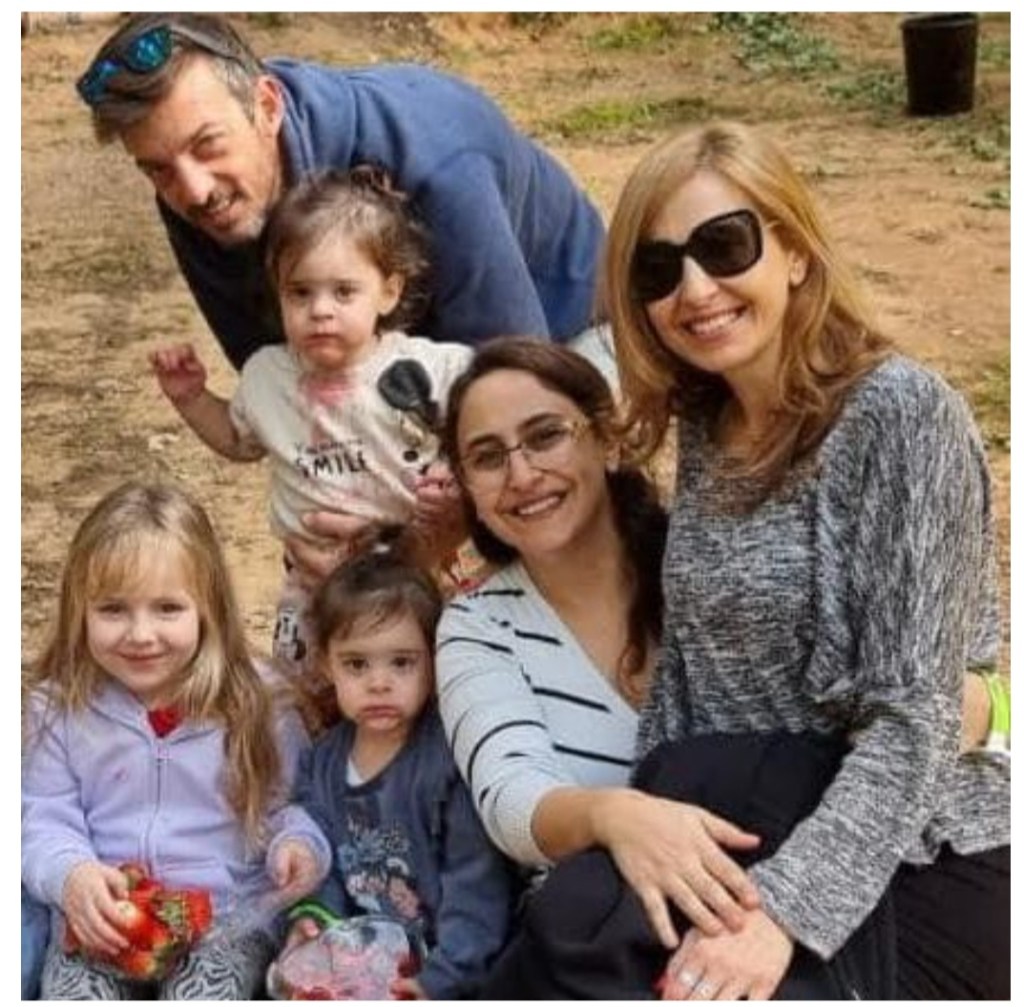
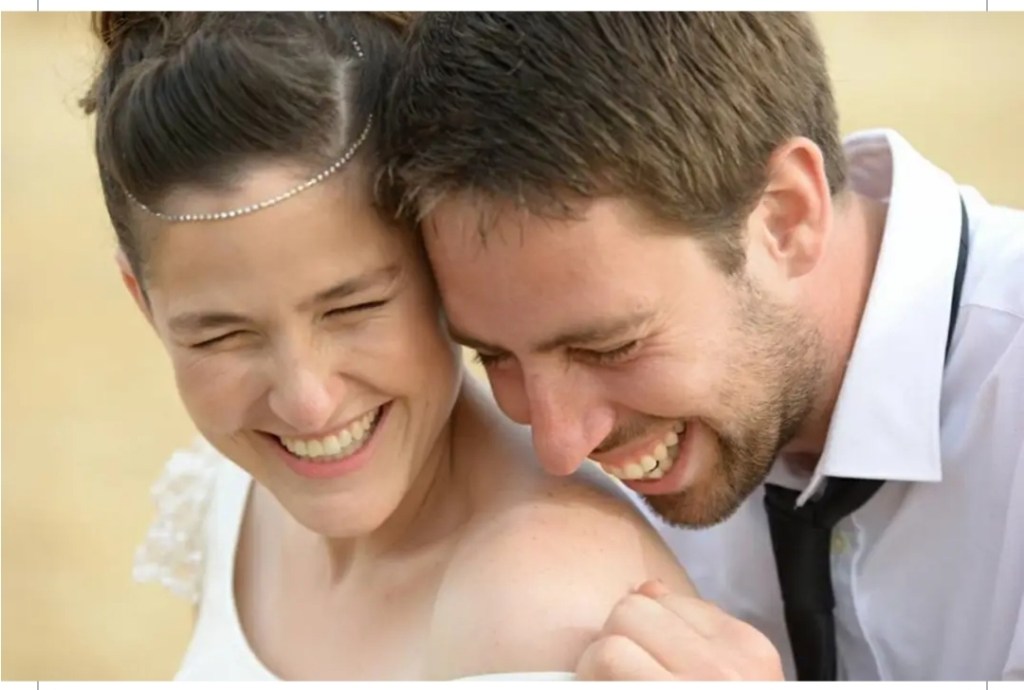
This is the last picture British photographer Danny Darlington took together with his friend, model and student Carolin Bohl. It is the last entry on his Instagram, now turned into a memorial page. He took this photo in kibbutz Nir Oz, where he and Carolin were staying with friends. I don’t know the exact day this photo was taken, but was not long before October 7, 2023.

Danny Darlington was born in Manchester, UK on April 7, 1989. His mother had been married before, to an Israeli man called Haim Peri, and they had two children together, Danny’s half-siblings Lior and Inbal Peri. Danny and his full sister Shelley were born in the UK, to another father. Haim went on to marry again and have another three children.

Danny kept in contact with his Israeli family and friends and travelled to see them a lot. Haim Peri and his second wife, Osnat, lived in kibbutz Nir Oz, while Lior and Inbal Peri now lived in Tel Aviv with their families. Danny usually visited them all, as well as friends he had in different places.

Danny was a talented photographer. He took art photos, portraits and landscape pictures. He loved photographing the Israeli landscape when he visited. The last few years of his life he lived and worked in Berlin.

.
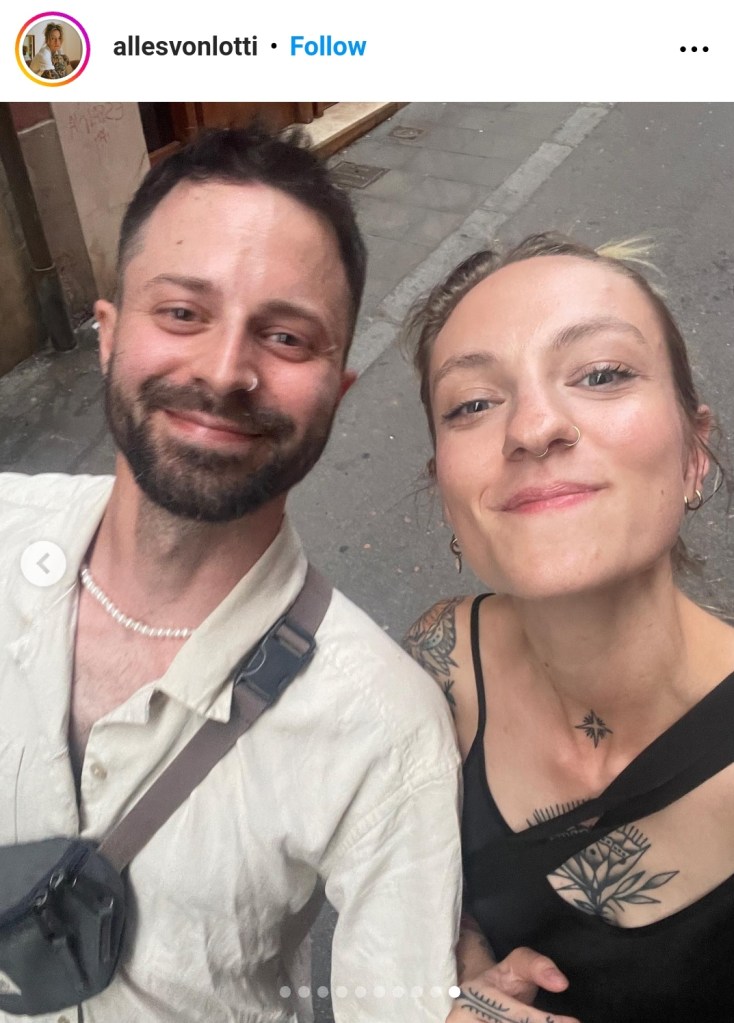
Danny and his girlfriend, Lotti

Danny and Carolin Bohl were friends. She was often his model and the subject of his photos. She was not his girlfriend. Danny’s girlfriend was Carlotta Pollmann (Lotti), who was a tattoo artist. The three were very close friends and often hung out together.

.

Carolin Bohl photographed by Danny Darlington.

Carolin was born in 2001 in the village of Otersen in Lower Saxony. She later moved to Berlin to study sustainable fashion. This is where she met Lotti and Danny, and started modelling for him. They became firm friends, and Danny wanted to take her to see Israel with him.

Their trip to Israel was a great success for the first two weeks. They went sightseeing in Jerusalem and floated in the Dead Sea. They sunbathed at the beach in Tel Aviv and went out at night with friends. They went trekking in the desert and stayed in kibbutz Nir Oz with Danny’s family and friends. Danny documented everything on Instagram.

.
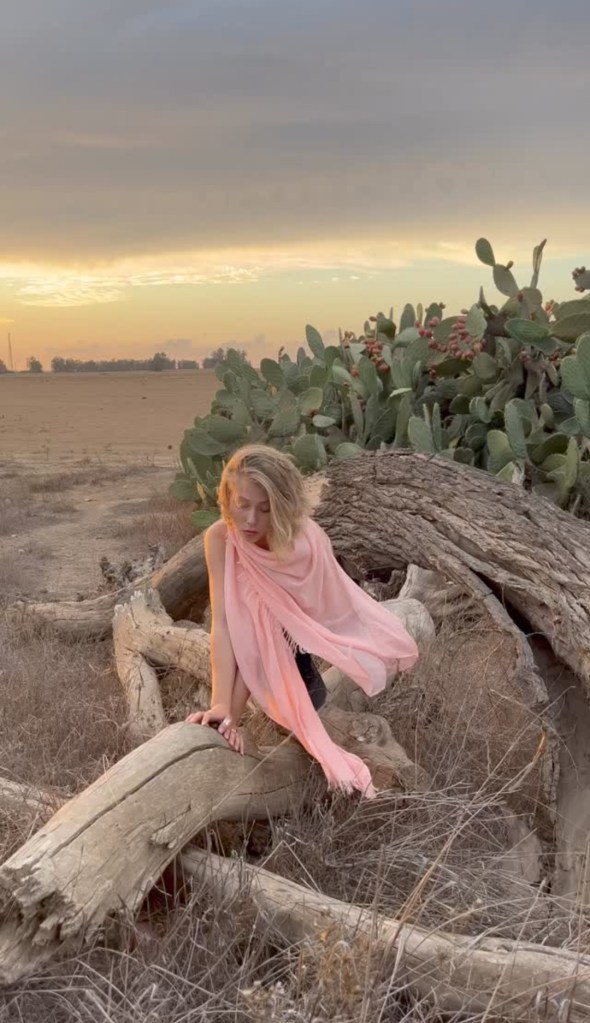
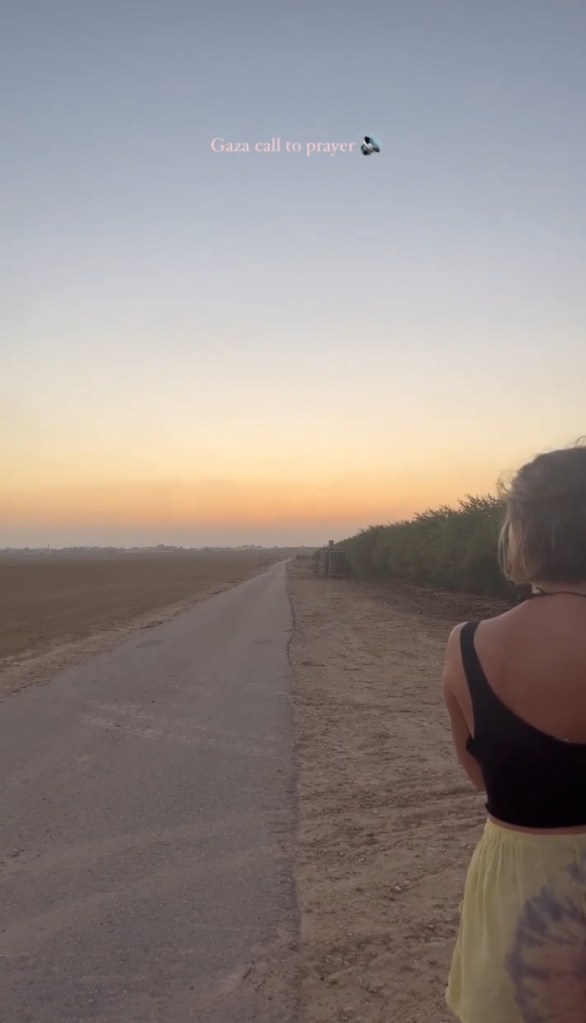
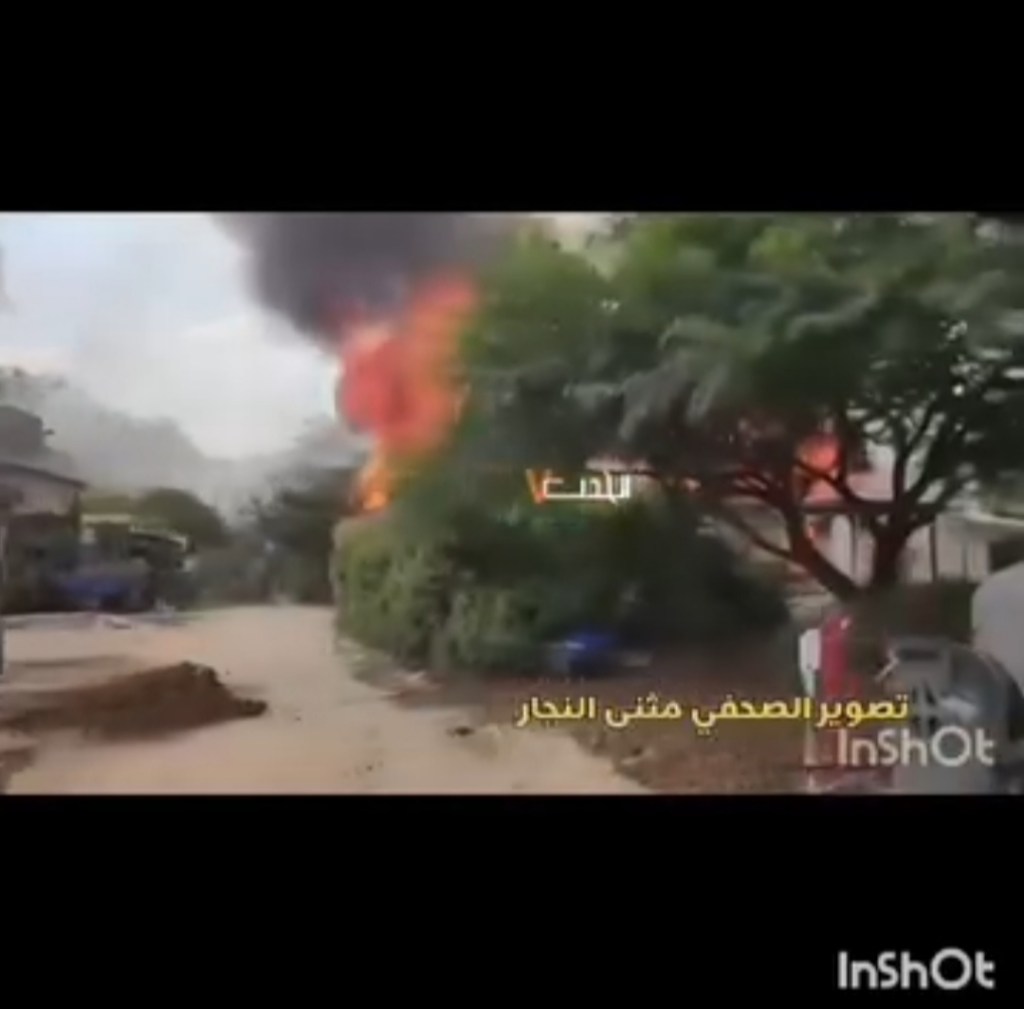
This last picture is a screenshot of a video posted on Instagram, of Carolin looking into the sunset and listening to the muezzin call from the mosque in nearby Gaza.

The video is very peaceful and respectful. Carolin listens quietly. The sound of a call to prayer, whether it is church bells, the synagogue song or a muezzin call, is an invitation to introspection, to connect with the spiritual. It should be a sound of peace. In no way did Danny, Carolin or anyone else in Nir Oz disturb, mock or curse the sound of that prayer call. On the contrary, they were very respectful.

But that same muezzin might have been calling the people of Gaza to arms. Those same people gathering in the mosque might have already been planning their deadly invasion of the kibbutzim on the Gaza Envelope. Hamas members might have been praying to Allah for victory on October 7.

Danny and Carolin were not supposed to still be in Nir Oz that day. They were originally planning to leave for Tel Aviv on Friday, October 6. But they decided to stay another night in the beautiful, quiet kibbutz.

Early the next morning, thousands of terrorists broke through the border and invaded the kibbutzim, killing, burning and butchering people hiding in their houses. Danny and Carolin went into the safe room of the house where they were staying, but the terrorists found them. Carolin managed to send a last text to her mother: “Thank you for everything you did for me. I love you.”

Their bodies were found shot to death the next day. Haim Peri, the father of Danny’s half-siblings, was abducted to Gaza. Lior Peri was left to try to pick up the pieces, to explain the tragedy to the family in Manchester, to contact Carolin’s family in Germany and to somehow tell his own young children that their fun British uncle was not coming to visit anymore. And that their grandfather was now a hostage. I can’t imagine the pain they all must be going through.

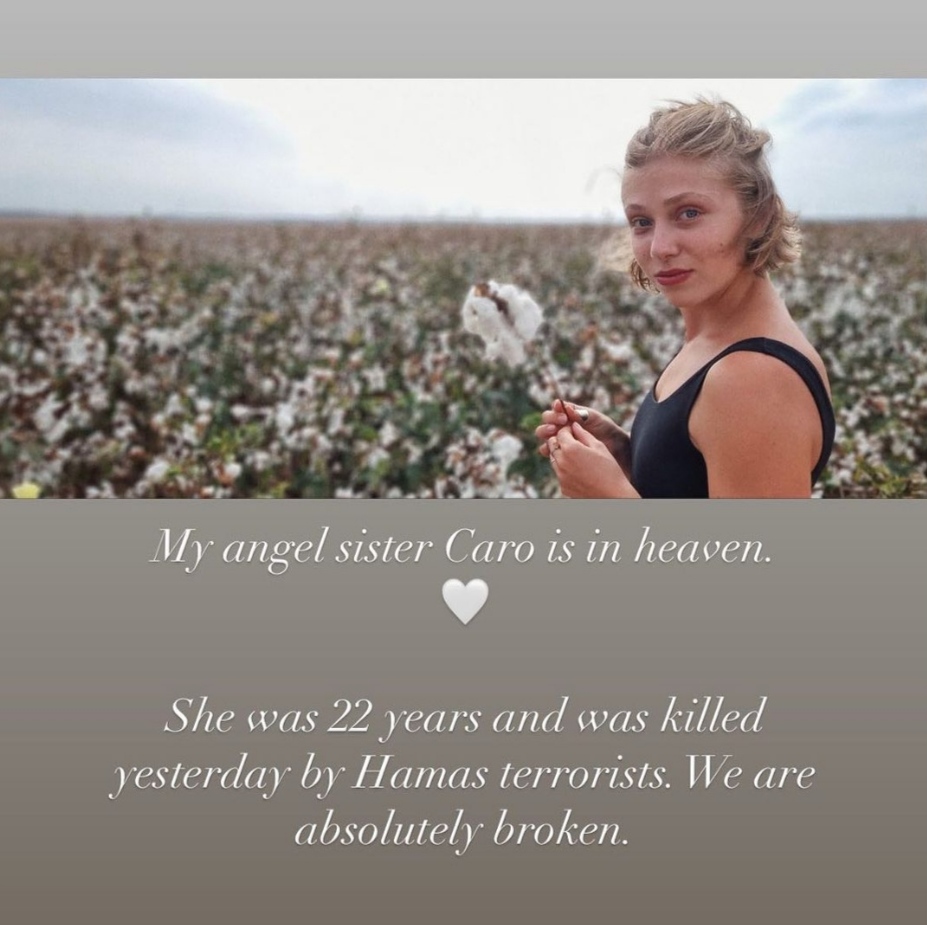
Carolin’s sister Anja Pasquesi posted this on social media:
Danny’s sister Shelley posted this:

“I cannot believe I am writing these words. My baby brother, Danny, was killed in the terrorist attacks in Nir Oz, Israel, on Saturday 7th October 2023. My heart is broken. I cannot fathom this senseless barbarity. Watching the horrors unfold in Israel and the heinous acts committed against my people is sickening to the core. Many people are still missing, many taken hostage into Gaza and many lives lost… my friends, my family, elderly, women and children.

I am living in a waking nightmare. I do not want to believe I will never see my sweet brother again. Never be able to hug him or hear his infectious laugh again. He was gentle, and kind, and a pacifist at his core. He touched the lives of so many people and was loved by everyone he met.

He did not deserve this.”

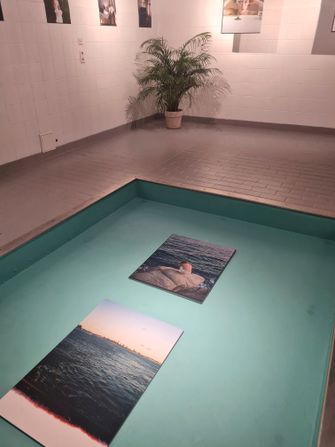
Two months later, Danny’s girlfriend and Carolin’s friend Lotti organized a photo exhibition at a Berlin art gallery to honour Danny and Carolin. Many of their friends and family members came to admire Danny’s work and to remember the two.

.
.

Haim Peri, the father of Danny’s half-siblings, is 79 years old. He lived in Nir Oz since he was a teenager. On October 7, he gave himself up to the terrorists so his wife Osnat could stay hidden. He has been a hostage ever since. He appeared in a Hamas video on December 18 together with two other elderly men. His family is very worried about him, as he suffers from a heart condition and does not have his medication.

.

.

Danny, Carolin and Haim are all victims of Hamas. So are all their family members and friends, everyone who grieves for them. They did not deserve any of this. My heart goes out to all three of them, but especially to Carolyn. She was so young and was in Israel only to see the interesting things this country has to offer. Her death was a terrible injustice. As was Danny’s.

The world is a sadder place without these two beautiful, talented people.

.

The Cunio Family

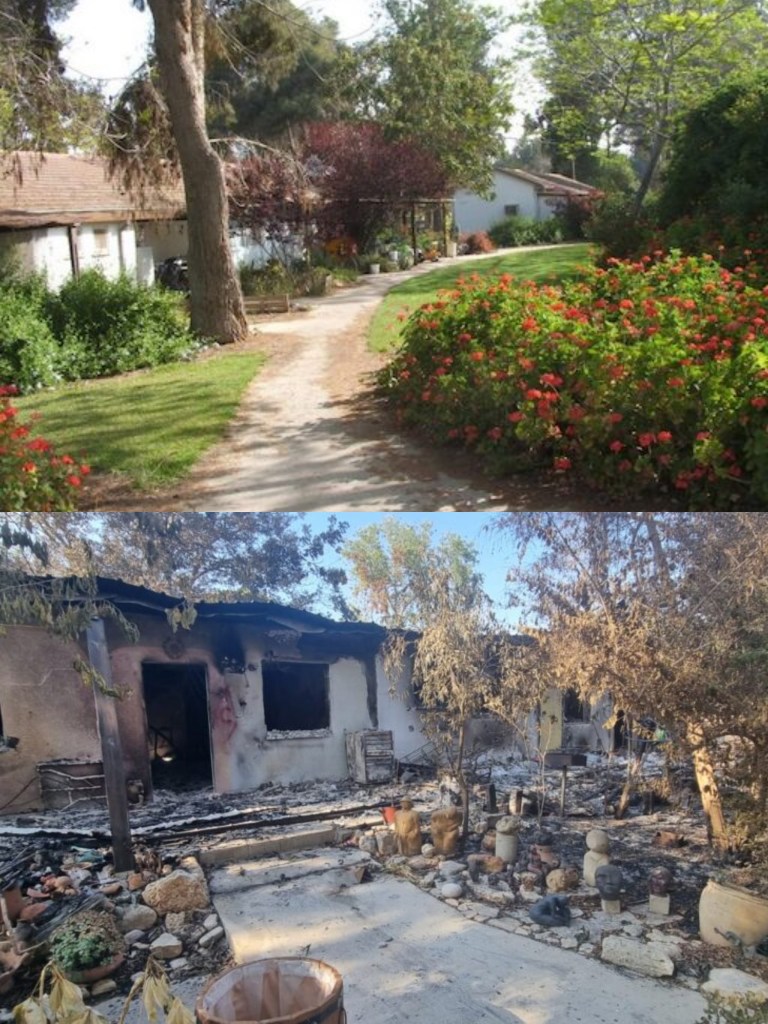
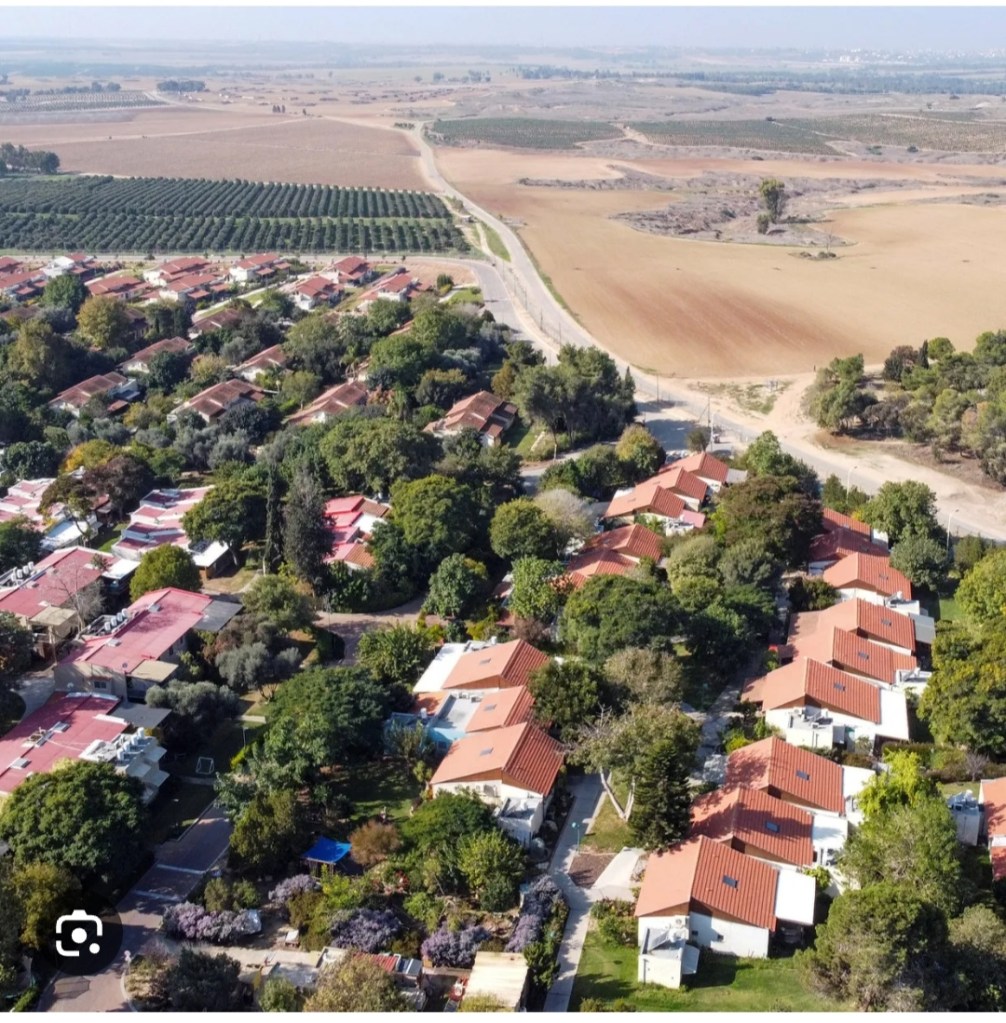
Nir Oz is a small kibbutz close to the Gazan border. In September 2023, it had around 400 residents. On October 7, 38 of those people were murdered and 77 were abducted. A quarter of the entire population of Nir Oz was gone. The kibbutz itself was completely destroyed. The survivors are staying elsewhere now and they will likely never be able to go back home.

.
.
In a kibbutz that small, not only does everyone know everyone, but a lot of people are family. With 77 kidnapped, Nir Oz residents form the largest group of the 240 hostages. Entire families were dragged from their houses. Four generations. From nine month old Kfir Bibas to 86 year old Aryeh Zalmanovich.

This is the story of how nine members of the same extended family were taken hostage. This is the story of the Cunio/Aloni/Yehud family.

David and Sharon Cunio

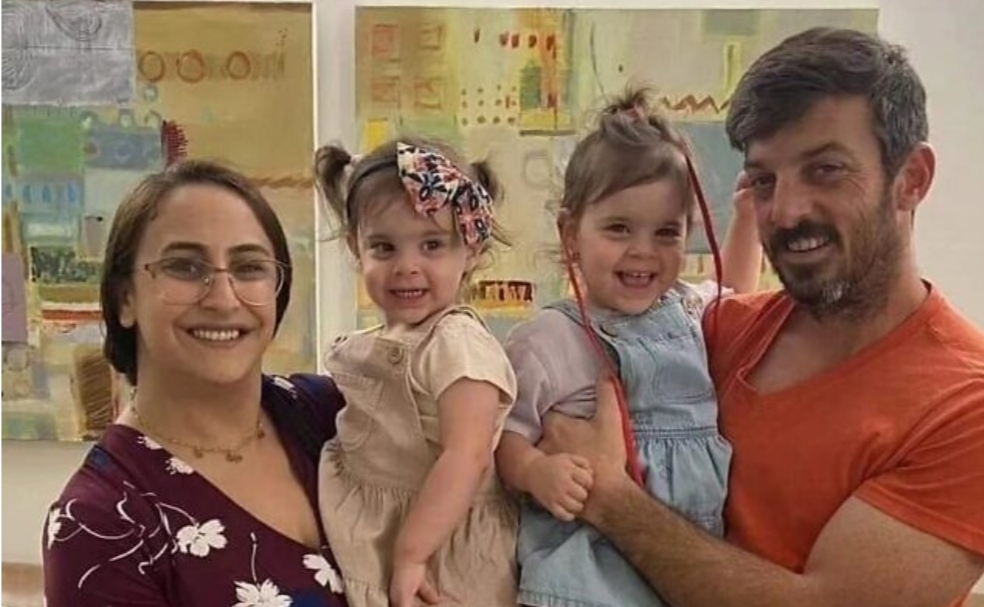
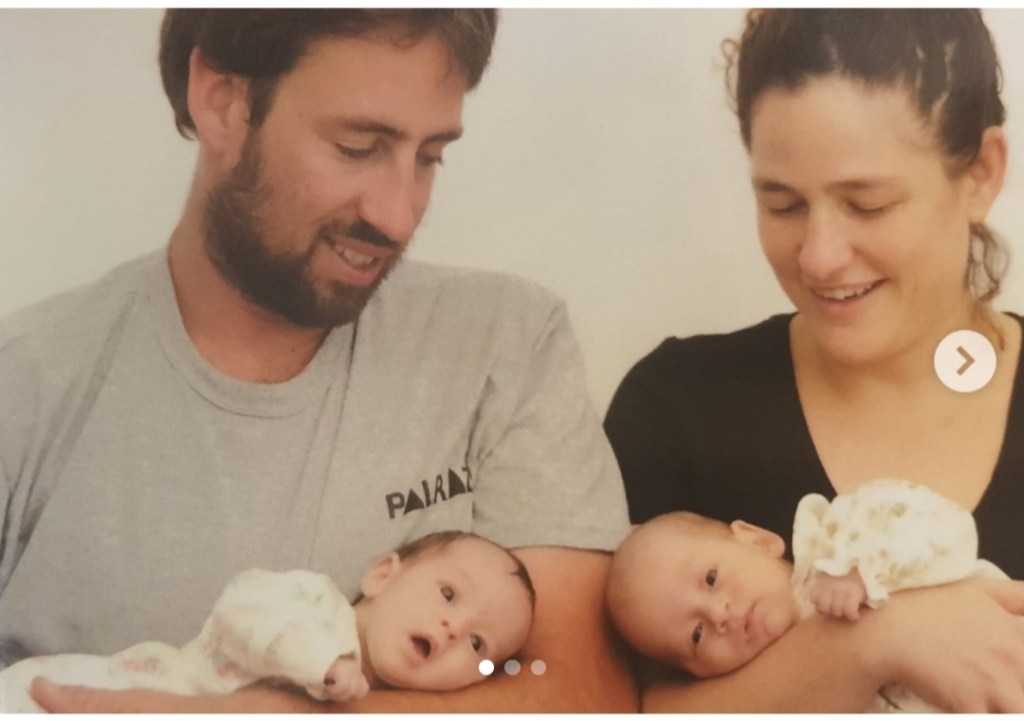
David Cunio is one of four brothers. One of them, Eitan, is his twin. David and Eitan are both actors. They appeared together in the Israeli film Youth from 2013. At the set of that movie, David met Sharon Aloni. They fell in love, got married and had their adorable twin daughters: Emma and Yuli. They lived in Kibbutz Nir Oz, as did all of David’s brothers and his parents, Silvia and Jose Luis Cunio, who immigrated to Israel from Argentina in 1986.

David and Eitan Cunio in Youth

Danielle and Emilia Aloni

Sharon’s sister Danielle is a single mother of a beautiful 5 year girl, Emilia. They live in Yavne, but the sisters are very close and visit each other a lot. On the day of the Hamas invasion, Danielle and Emilia were staying with the Cunio family.

Ariel Cunio and Arbel Yehud

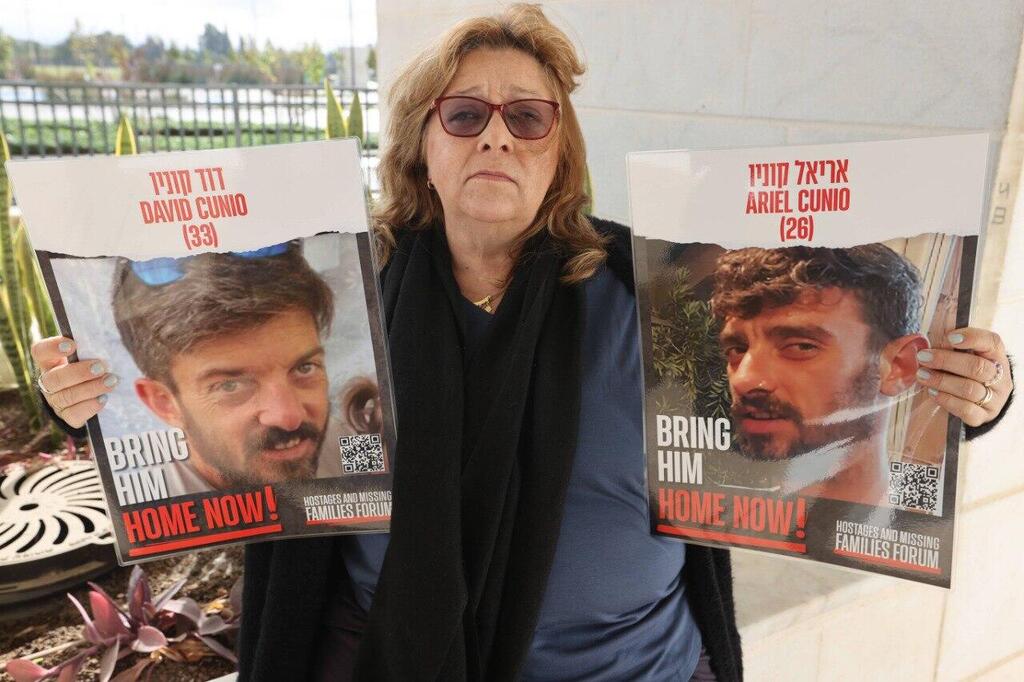
Ariel Cunio is David’s youngest brother. He has been together with his girlfriend Arbel Yehud for five years. They had been travelling in South and Central America and they had just adopted a puppy, a few weeks before the Hamas invasion. Both Ariel and Arbel were born and raised in Nir Oz, and their families lived there.

Dolev Yehud

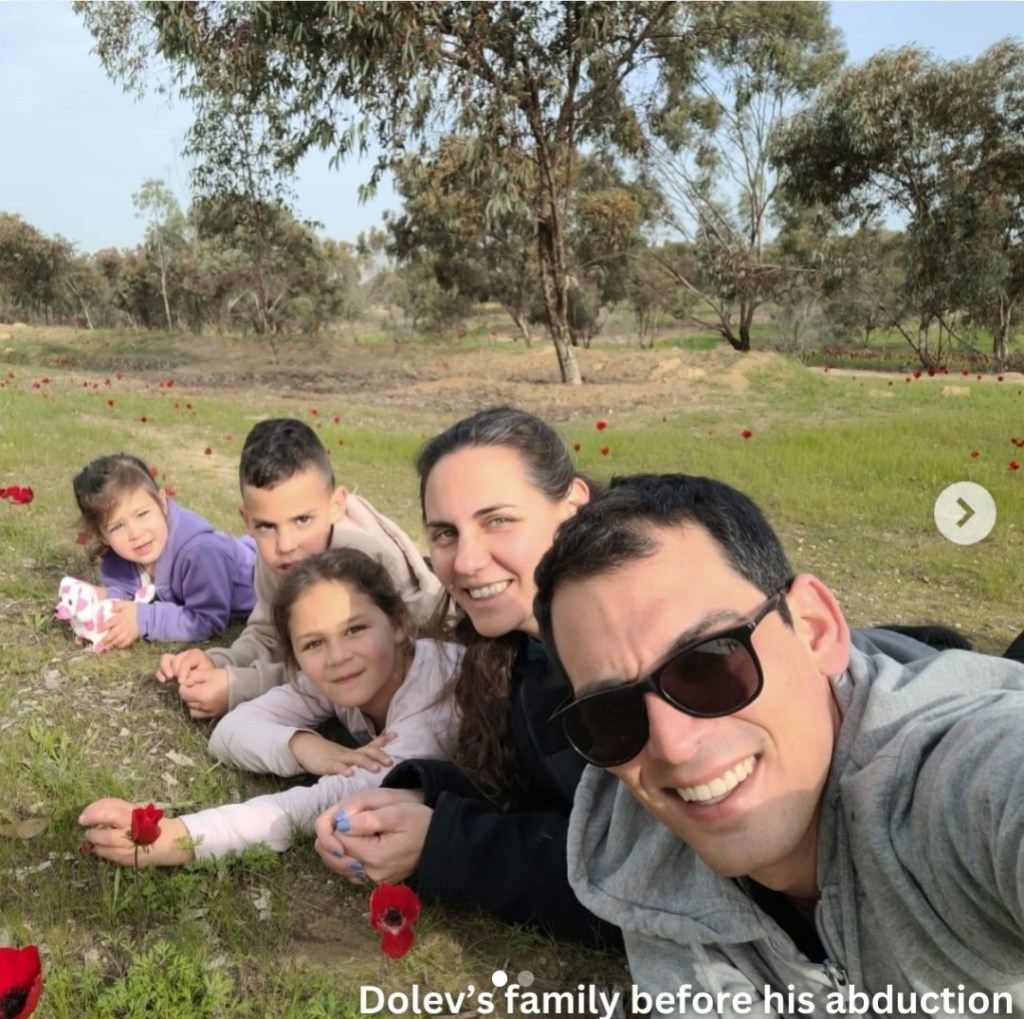
Dolev Yehud is Arbel’s older brother. He lived in Nir Oz too, with his wife Sigal and his three children. Dolev is a medical professional and volunteers with two different nonprofit organizations. He suffers from Hashimoto’s thyroiditis, a chronic autoimmune disease, which he manages with medication.

Hamas invasion

On October 7, 2023, al of these families barricaded themselves in their respective safe rooms while the terrorists roamed through the kibbutz, shouting and shooting. They kept in contact with each other through text, terrified and expecting the worst.

David, Sharon and Danielle hid in their safe room with the three children. At some point, they heard the terrorists in the house, and later, they realized the house had been set on fire. The room filled with smoke and they knew they had two choices: stay in the room and choke to death, or leave the room and face the terrorists. They chose the latter.

Ariel and Arbel were both also abducted from their apartment in the kibbutz. Dolev went out of his house to help the injured people outside, while his wife Sigal, who was nine months pregnant, hid in their safe room with the children. Fortunately, she and the children managed to stay hidden, but Dolev was taken by Hamas.

Months later, Danielle told Ynet this:

“It’s a fear that cannot be explained, these are emotions that the human mind can’t contain. We understand that we are going to end our lives in the cruelest way possible, by inhaling smoke and choking to death. I hug Emilia and say to her, ‘My love, I’m sorry, we’re about to die.’

We left farewell notes, and then I had to choose how I’d die – which death would be easier, quicker. Death by smoke inhalation felt very close. Sharon no longer argued at this point; she got up and helped me open the room’s window. We closed our eyes and waited. We heard gunfire outside, shouting.”

They fully expected to die. But they didn’t. They were taken captive separately, loaded on to a truck with other people, and driven to Gaza. Sharon and Danielle didn’t see each other again during their time in the tunnels of Hamas. Fortunately, they were able to stay with their children.

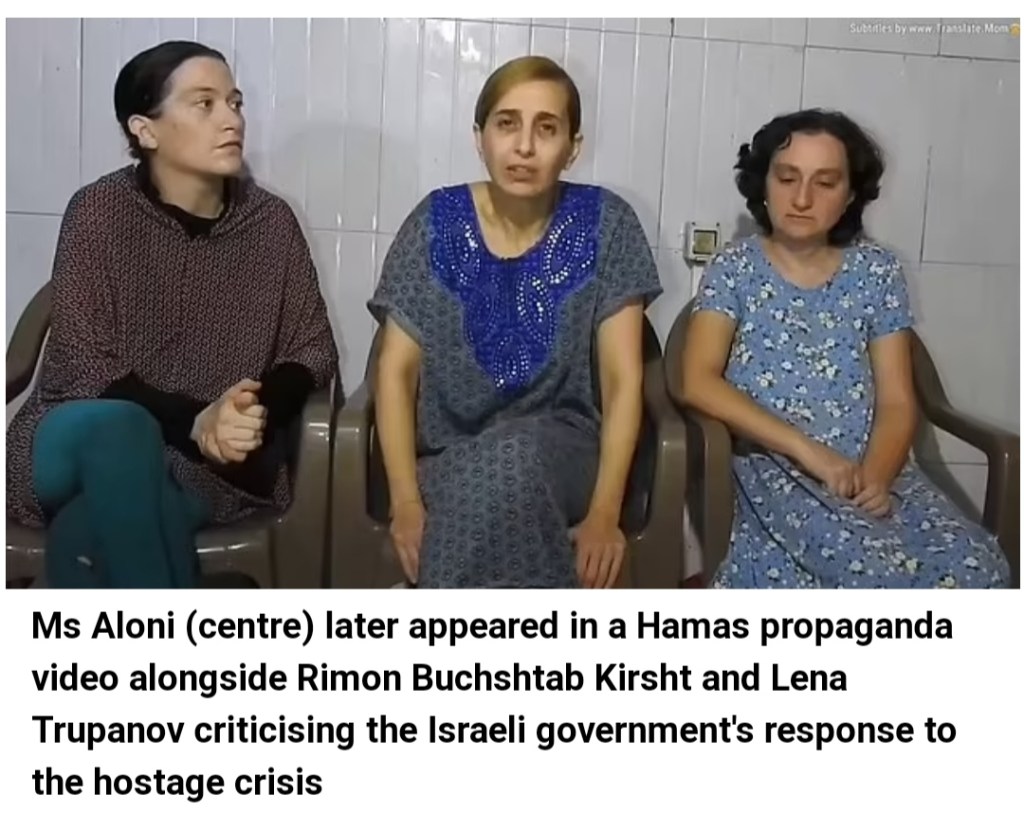
Sharon, Danielle and the children were hostages for seven weeks. Danielle appeared in a video released by Hamas after several weeks. She was told to say the same thing that the other hostages had to say in all of these videos: blame Israel, tell them to stop fighting so you can go home.

At the end of November, during the week long ceasefire, Sharon, Danielle and the three children were released. But David, Ariel, Arbel and Dolev are still hostages, more than 100 days later. There has been no communication and no updates about their situation.

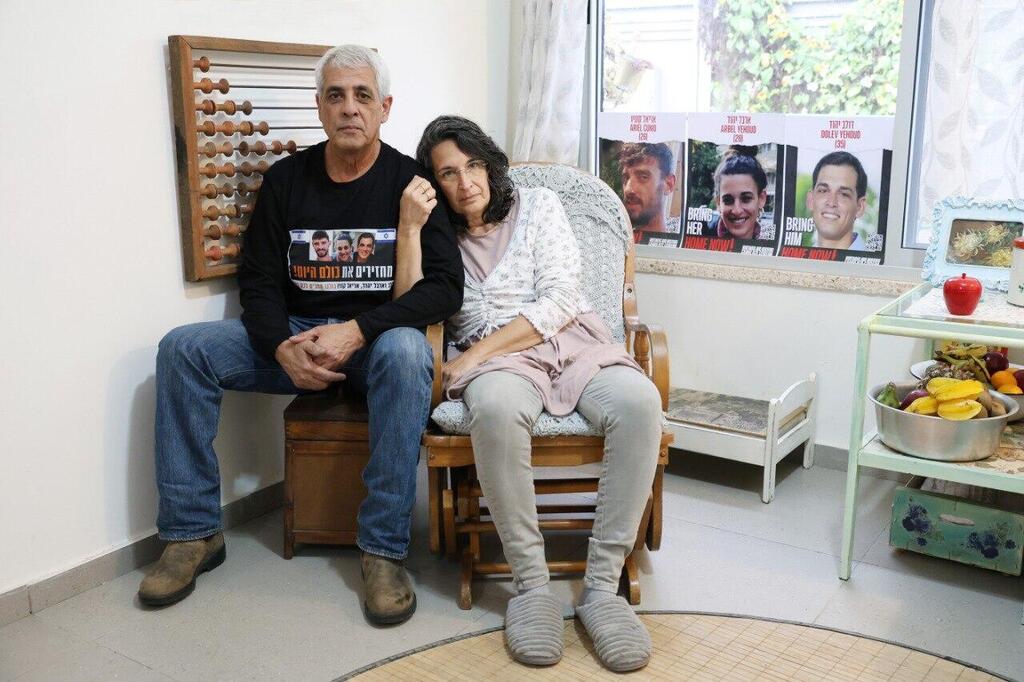
Silvia and Jose Luis Cunio, the parents of David and Ariel, and Yehi and Yael Yehud, the parents of Arbel and Dolev, are all under incredible stress. They haven’t heard a word about how their children are doing. They are hurting and worried. Yehi said to Ynet: “It feels like a part of the soul is missing, 100 days that feel to us like one long day that never ends.”

Dolev needs medication, that he has not been able to take for more than three months now. The Red Cross has refused to take medication to the hostages and has not visited them. Many of the hostages’ families are upset and angry about this. Some of the hostages are severely ill or wounded and there have been no updates on how they are doing. This is of course completely separate from the fact that Hamas has no right whatsoever to keep these people captive. Whatever they thought they would achieve by doing this, and by commiting the horrific crimes of October 7, is beyond me. All they have achieved is a terrible war and extensive suffering to people on both sides of the divide. They keep telling us to stop fighting, but refuse to give us back what they have taken from us: the hostages.

.
.
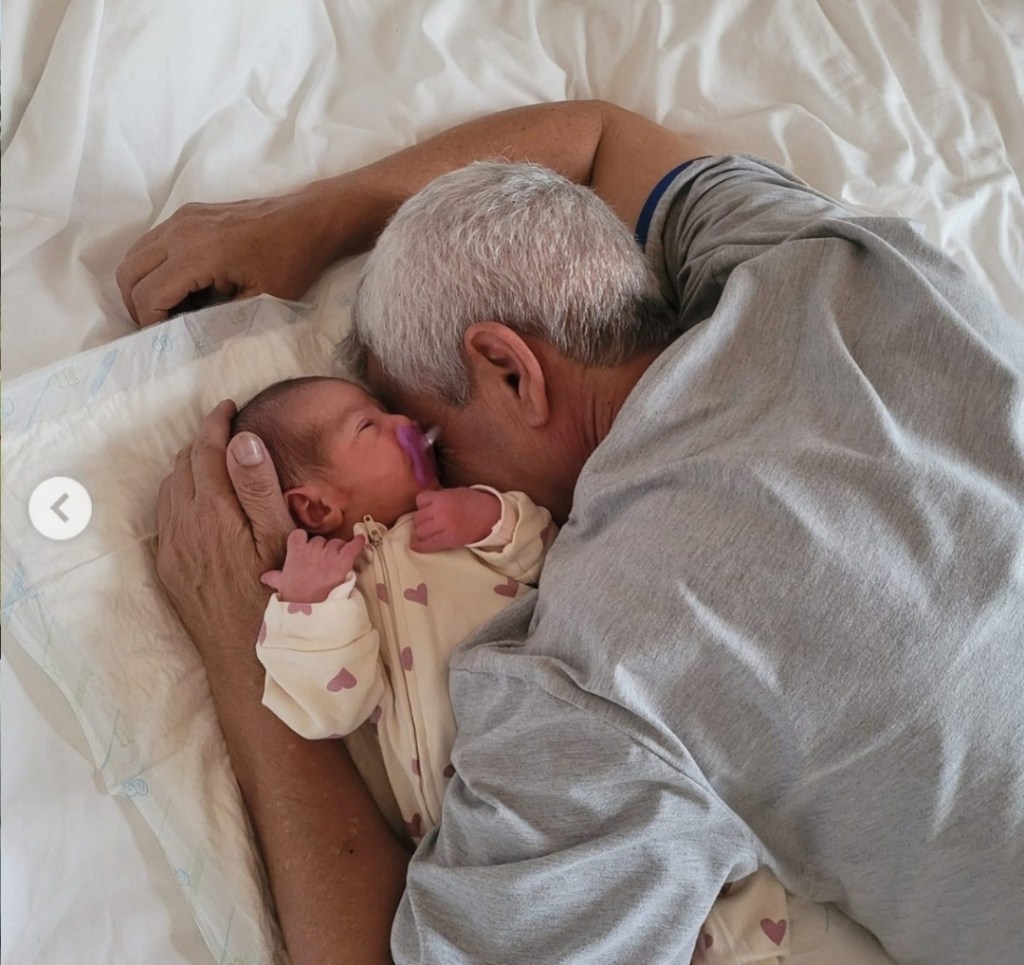
Ten days after Dolev was taken, his fourth child was born. Sigal, his wife, called the little girl Dor, a name very close to the name of her father. Sigal and Dolev have been together since they were 12 years old. “My life now is not a life, I’m missing half of it,” she said.

.

Granddad Yehi with baby Dor

Since her return from captivity, Sharon has spoken to the media about the ordeal she went through. She describes how at first, she and David and Yuli were brought to a civilian house and held there. They were worried about Emma, they feared they had lost her forever. Later, it turned out that Emma was with Danielle and Emilia.

After the house they stayed in was bombed, they were brought to the Nasser hospital in Khan Yunis and kept prisoner there. After three days there, Emma was brought to them and they were forced to thank their captors on camera.

They had to stay in a small room with a varying number of other hostages. Sharon slept with the two girls on a bloodstained mattress. They got two meals a day, consisting of rice and sometimes mouldy pita bread. Sharon lost 11 kilos and they all got food poisoning at least once.

“A lot of the times, the girls were just crying, saying ‘I’m hungry,’” she said. “It was devastating.”

“Every minute is critical. The conditions there are not good and the days go on for ever. It’s a Russian roulette. You don’t know whether tomorrow morning they’ll keep you alive or kill you, just because they want to or just because their backs are against the wall.” (Haaretz)

She said David blamed himself, because they lived in Nir Oz because of him. When they were told that Sharon and the children were going to be released, but not David, they held each other and cried for hours. David told her: “Fight for me. Don’t give up. Please yell what I cannot yell.”

So this is what she does. She tells her story and campaigns for the release of all the hostages, together with the rest of the families, in Israel and abroad. Her daughters ask for their daddy every day. She doesn’t know what to tell them. She says: “I die of fear every day, that he will be in the next brutal video they release. I am stuck. I’m on hold. For me, life stopped at the moment I was separated from David.” (The Times of Israel)

Hold on, Sharon. Hold on, David, Ariel, Arbel  and Dolev. We are coming for you. 🧡

#bringthemhome

.

The Cunio/Aloni family
Sharon and fellow hostage Mika Engel carrying Emma and Yuli to safety
Release of Danielle and Emilia Aloni
Sharon stands in front of her burned out house in Nir Oz

UPDATE 3/6/24:

The remains of Dolev Yehud have been identified in kibbutz Nir Oz. It turns out he was never abducted, but murdered and burned on October 7, along with so many others. This is devastating news. May his memory forever be a blessing. Dolev flies free now 🦋

The massacre of 12 foreign students

The Tanzanians

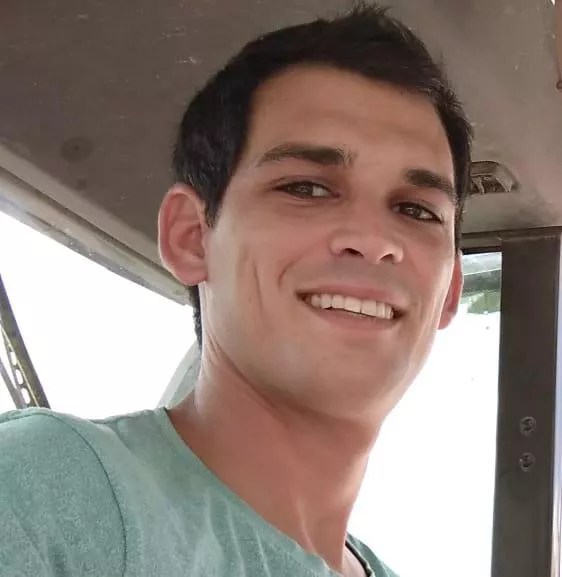
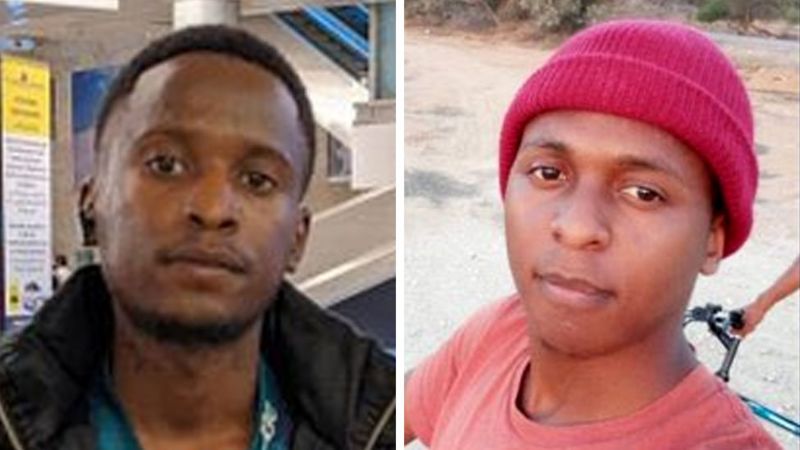
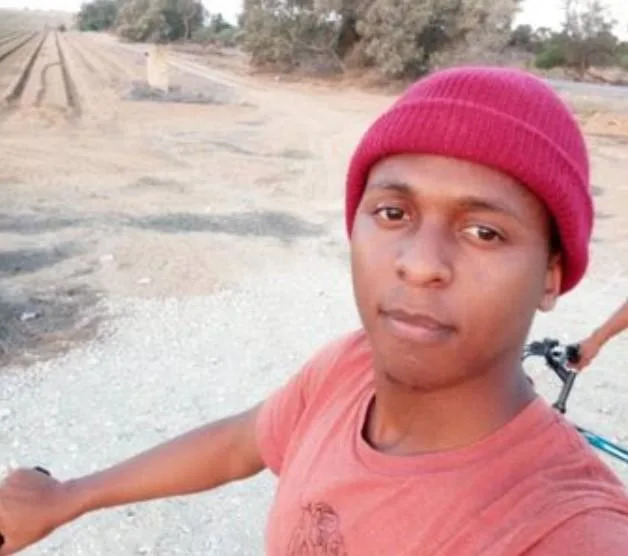
In September 2023, Joshua Mollel, Clemence Mtenga and Ezekiel Kitiku came to Israel for a work experience. They studied agriculture in Tanzania, their home country, and they were going to spend a year in a kibbutz in Israel, to learn and work. The three were excited to see a new country, meet new people and gain experience in their field of study. Clemence and Ezekiel went to stay in kibbutz Nir Oz, while Joshua was stationed in Nahal Oz, a kibbutz nearby.

For a month, they worked in the dairy farms of their respective kibbutzim. They learned what to do when the rocket siren sounded – go into the shelter immediately and stay there for 10 minutes. But thanks to the Iron Dome, the rockets usually didn’t do any damage.

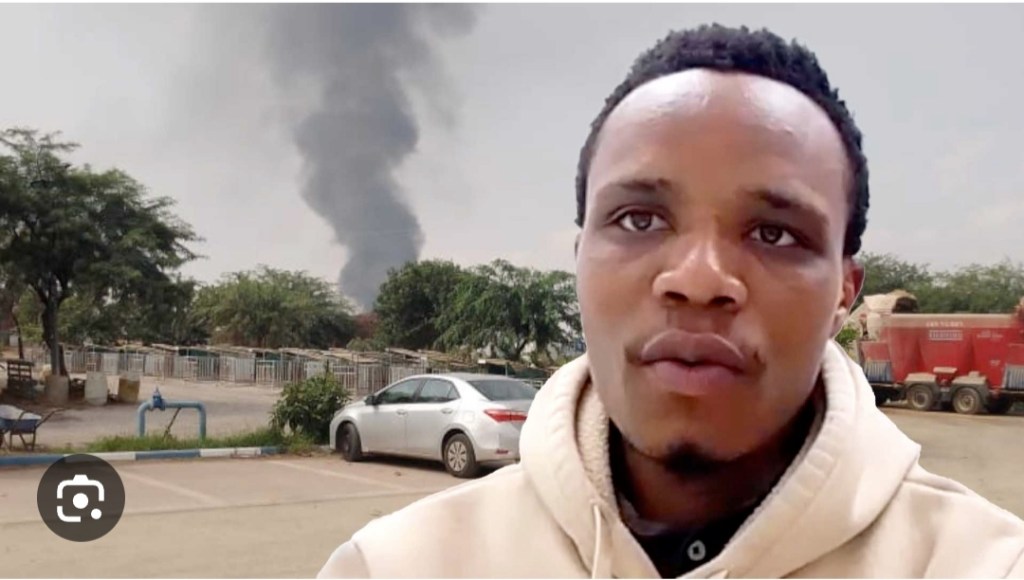
On October 7, Ezekiel was the one working the early morning shift. Which saved him, but doomed his friend, Clemence Mtenga. When he heard the sirens and rocket explosions, Ezekiel quickly went into the shelter at the dairy farm. He texted both of his friends. At first, they answered and said they were ok, also hiding in shelters. But a few hours later, their phones went dead.

Hamas attacked both kibbutzim, but they didn’t get to the dairy farm of Nir Oz. This is what saved Ezekiel’s life. After the smoke finally cleared, Clemence Mtenga and Joshua Mollel were both missing.

.

Ezekiel Kitiku, superimposed on the photo he took on October 7. Smoke rising from the kibbutz in the distance.

For six weeks, Clemence Mtenga was believed to be a hostage. But on November 18, his body was finally identified. He had been murdered in cold blood by Hamas terrorists on October 7. Clemence was 22 years old, the youngest of four siblings. He was shy, studious and sang in the church choir. He wanted to start his own agriculture business. All those dreams are now shattered, his family broken and in mourning. Rest in peace, Clemence. I’m so very sorry this happened to you.

.

.

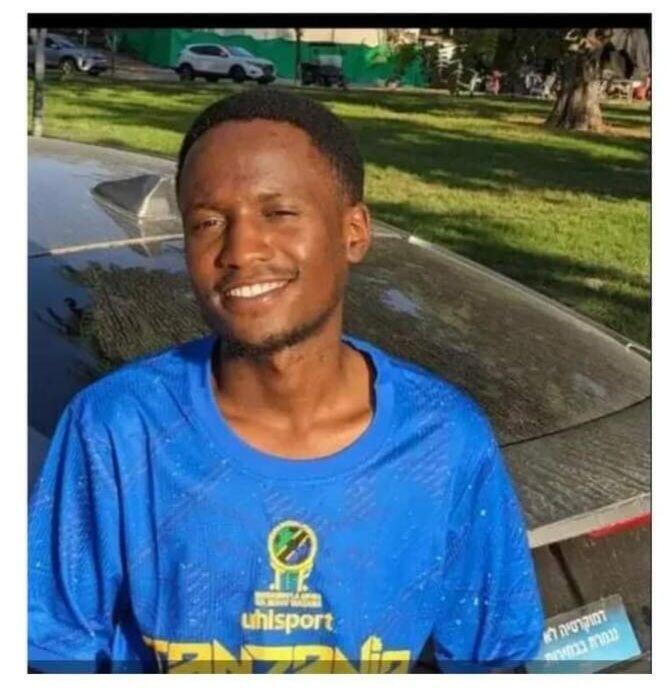
Joshua Mollel was also thought to be a hostage. For more than two months, his family and all of us here in Israel held on to hope, that he was alive, that he might be released because he was not Israeli, like the Thai hostages.

But as usual, we expected to much from the demonic death cult that is Hamas. They didn’t care who they slaughtered. On December 18, Hamas released a terrible, graphic video of the murder of Joshua Mollel. I haven’t watched it but I have read descriptions and it absolutely broke me. After all this time of hope and fear, it turned out that Joshua Mollel was murdered brutally by Hamas and his body abducted to Gaza. In no way did he deserve any of this. My heart goes out to his family.

Joshua was 21 years old. He was the eldest of five children. His father, Loitu Mollel, came to Israel after the news of his death broke, to see for himself where his son lived for the last month of his life, and where he was killed. He said that his son was “polite, obedient and serious”, and like Clemence, he had plans to start his own agricultural business.

About the gruesome footage, Loitu Mollel said: “I hope it is deleted from the internet. I hope no one watches it.” I have not watched it and I promise I never will. After seeing a still image from the video, I wish I could delete it from my brain. Please, if anyone ever comes across it, don’t watch it. Out of respect for Joshua and his family, but also to spare yourself the horror. I cried so much over the death of Joshua Mollel. It was so incredibly cruel and unjust. Again, I’m so sorry, Joshua. You should never have been sent to a kibbutz that close to Gaza. None of you should have.

.

The Nepalis

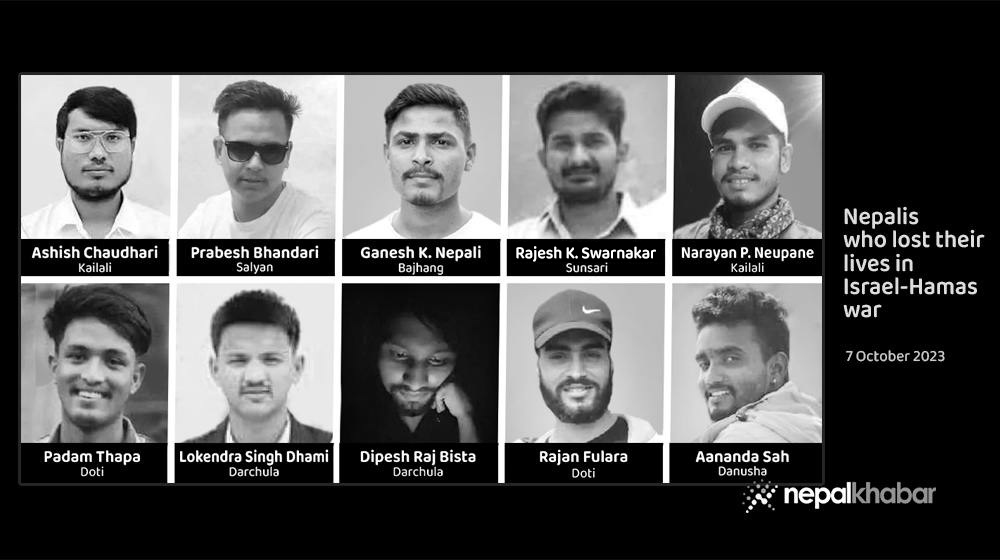
Of the seventeen Nepali students staying in kibbutz Alumim, only seven made it out alive. Let that sink in. Ten young men were brutally murdered by rabid terrorists, for no reason at all. Ten men who hadn’t done anything wrong, who were not Israeli or Jewish (not that that’s a good reason to kill someone), with hopes and dreams for the future, with families and loved ones at home.

The seventeen young men were at a work experience in the kibbutz, for a “learn and earn” program. All of them were the pride and hope of their families, who had poured all their resources into their sons’ education. The boys sent their earnings back home to support their families, and were planning to come back and start their own farms.

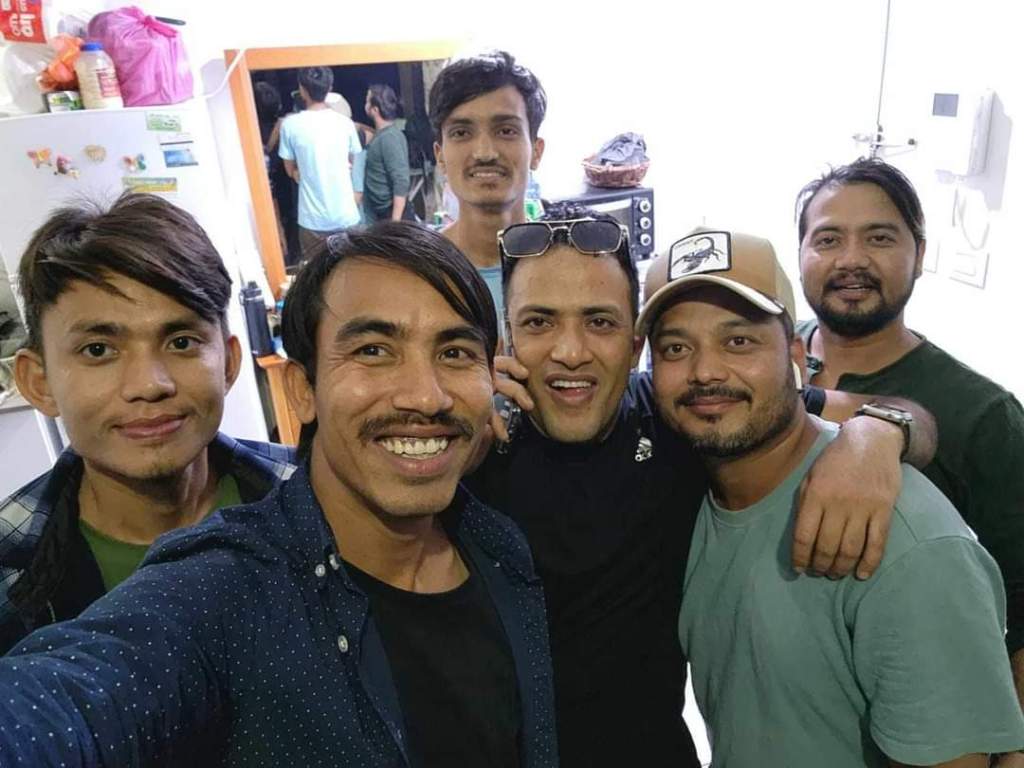
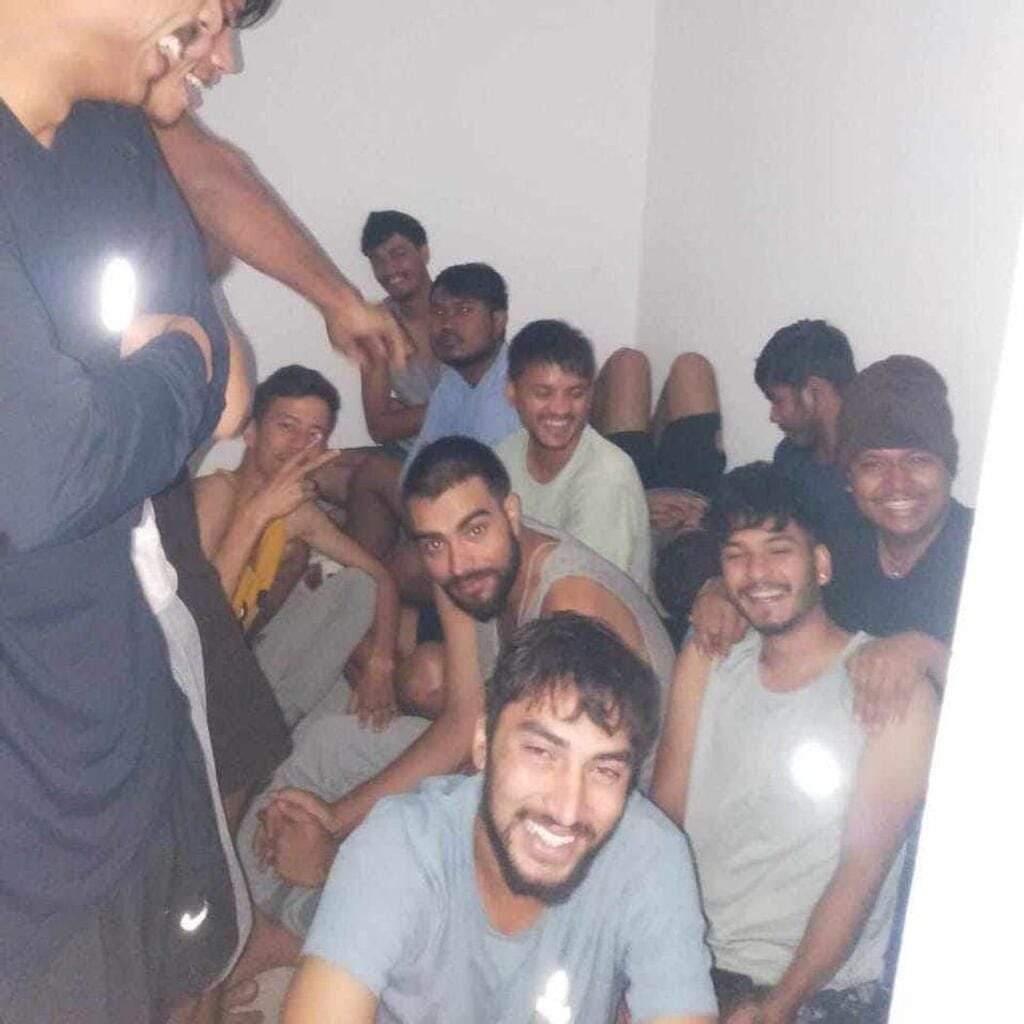
But Hamas had other plans. On October 7, the day started off with a hailstorm of rockets from Gaza. The Nepali students waited it out in a shelter with the Thais, still feeling like this wasn’t serious, it would all pass soon. Laughing and taking selfies. Playing games.

.

.

Most of the people in these photos are now dead.

In an interview in The Guardian, a survivor, Dhanbahadur Chaudhari, tells the story of what happened that day. As they hid in the bomb shelter, the terrorists shot into the bunker and threw grenades inside. The explosions killed and injured countless people. Chaudhari says: “Shrapnel hit me as well. When I woke up I was covered in blood and I could see my friends dead and injured around me. One friend didn’t have legs, another didn’t have hands. There were dead bodies of my friends in the door of the bunker.”

Despite this unimaginable horror, Chaudhari did his best to save his injured friends, bandaging their wounds and bringing them water. But help wouldn’t come until the evening, and several of the injured died from blood loss.

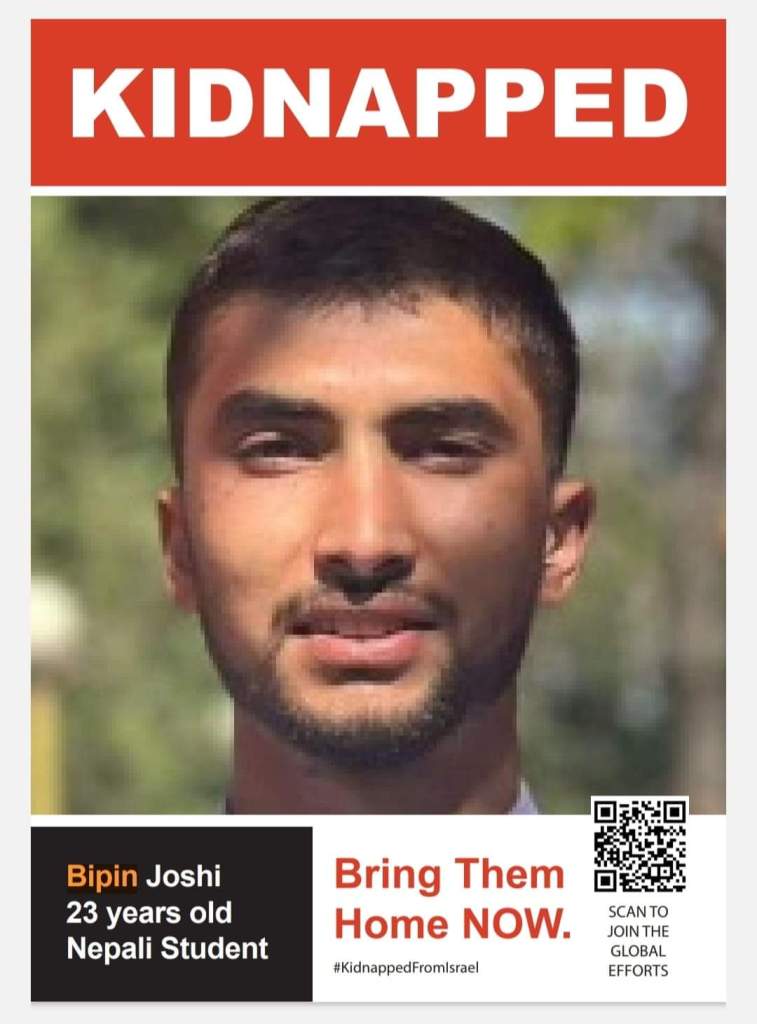
Seven of the students made it out of that bunker alive. But of those seven, one of them was kidnapped to Gaza. Bipin Joshi was not among the dead or the survivors. He was grabbed and taken by force, as a trophy, a bargaining chip. He was later seen in security footage from the Al-Shifa hospital, being dragged somewhere. It is clear that hostages were kept in that hospital and that it was used for terrorist activity.

Bipin Joshi is 23 years old. He is a son, a brother and a friend. He was excited about his adventure in Israel. “I will see the world, mum!” he told his mother. He would learn and earn money at the same time. What’s not to like? Now, he is stuck in the dungeons of Hamas, enduring God only knows what. The Nepali government is doing everything to get him out of there. But to no avail. Hamas does not give up their human shields that easily.

.

.

The senselessness of the killing of these foreign young men really gets to me. They had nothing to do with anything. They were just there. It breaks my heart. And why were they stationed in kibbutzim that close to Gaza? Sure, none of us could ever have expected anything like this. But there have been terror and rocket attacks in the Gaza Envelope since 2005. It is wrong and careless to risk the lives of foreign students like this.

I hope and wish that Bipin Joshi will be freed one day. He has been captive for more than 3 months now. The injustice of this is infuriating. We need the international community to condemn and pressure Hamas to release the hostages BEFORE agreeing to any sort of ceasefire. We cannot leave Bipin Joshi, Noa Argamani, Kfir Bibas and so many other innocent people behind in the hands of Hamas. They have no right to hold them prisoner. Give them back to us!!

Noya Dan of Gryffindor

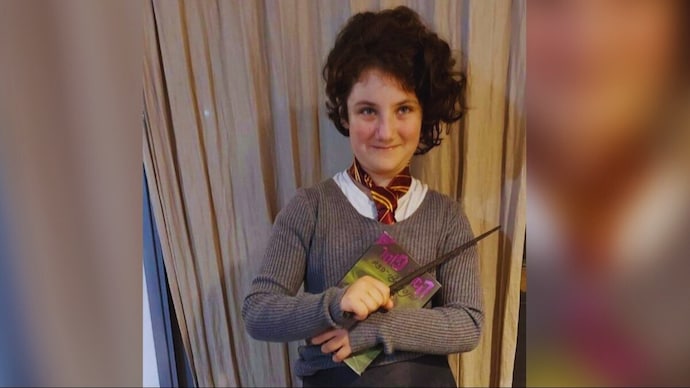
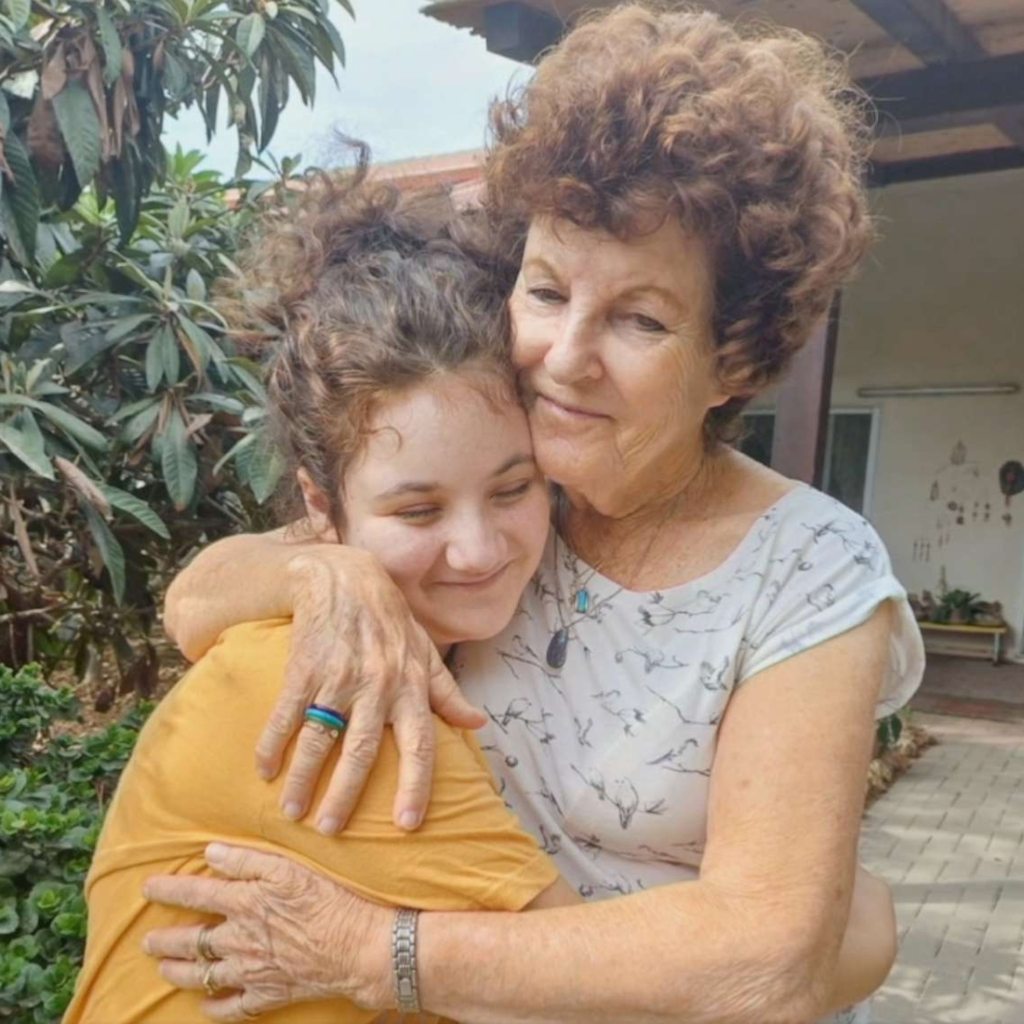
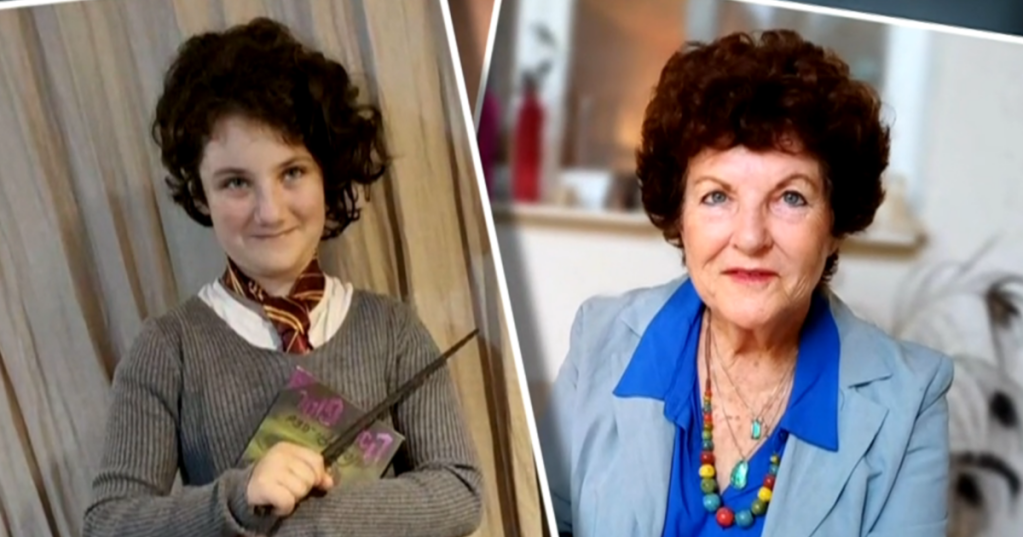
I wonder if Noya Dan tried to cast a spell when they came for her. Expecto Patronum, Expelliarmus, Colloportus? If they were real, any of those spells would have protected her and her grandmother. Twelve year old Noya was a huge Harry Potter fan. She read all the books, watched all the movies and probably practiced spells all the time. Her House was Gryffindor, of course.

But none of that would have helped her. Without magic, what can a twelve year old girl and an eighty year old grandmother really do when faced with murderous terrorists armed with automatic guns?

Noya lived in kibbutz Kissufim with her mother, Galit, and her younger sister. Her grandmother, Carmela Dan, lived nearby in kibbutz Nir Oz. Noya and Carmela were very close and Noya often stayed over in her grandma’s house.

On Friday October 6, Carmela’s family celebrated her 80th birthday together in kibbutz Nir Oz. Noya asked to stay the night at her grandmother’s. So while her mother and sister went home to Kissufim, Noya stayed in Nir Oz.

Early the next morning, both Nir Oz and Kissufim were invaded by Hamas. As an endless barrage of rockets exploded in the air and terrorists hunted down Israelis, the different family members hid in their secure rooms and kept in contact via text.

Galit hid in the closet of her safe room with her youngest daughter, while terrorists took over their house and used it as headquarters, shooting at people from the windows. Noya and her grandmother sheltered in the safe room of Carmela’s house. Carmela’s other daughter, Hadas Calderon, fought desperately to keep the door of her safe room shut, while Hadas’ children were with her ex-husband in his shelter.

To all of them, texting each other, it must have felt like the world was ending. Every time I think about the people in these kibbutzim, and what they must have gone through, my mind short-circuits. I just cannot imagine the horror.

The last message Galit received from her daughter Noya, was a voice recording. She said: “Mom, there was a big boom at the door that scared me. All the windows in Grandma’s house were broken at the entrance. Because there was another boom, there are many broken windows. Mommy… I’m scared.”

The last one she received from her brother in law, Ofer Calderon, was very short: “Galit. Holocaust.”

.

.

Ofer Calderon is a friend of a friend of mine. I feel connected to this family. I feel connected to all of these people, with a thousand different threads.

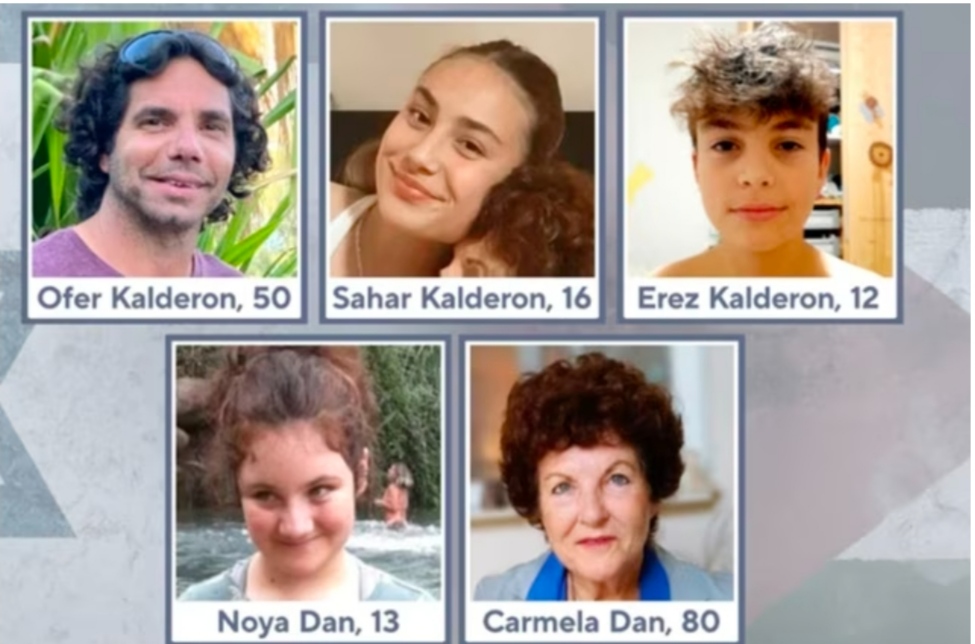
When the day drew to a close and the IDF regained control over the kibbutzim, Noya and Carmela were missing, just like Ofer Calderon and his children, Sahar and Erez.

Again, I cannot imagine what Galit and Hadas must have felt when they managed to live through this hell, only to find out their children were gone. If I try, something grabs my lungs and squeezes all the air out of them.

Cries of help went up from these wounded kibbutzim, these shattered communities. Where are our children, our parents, our friends?

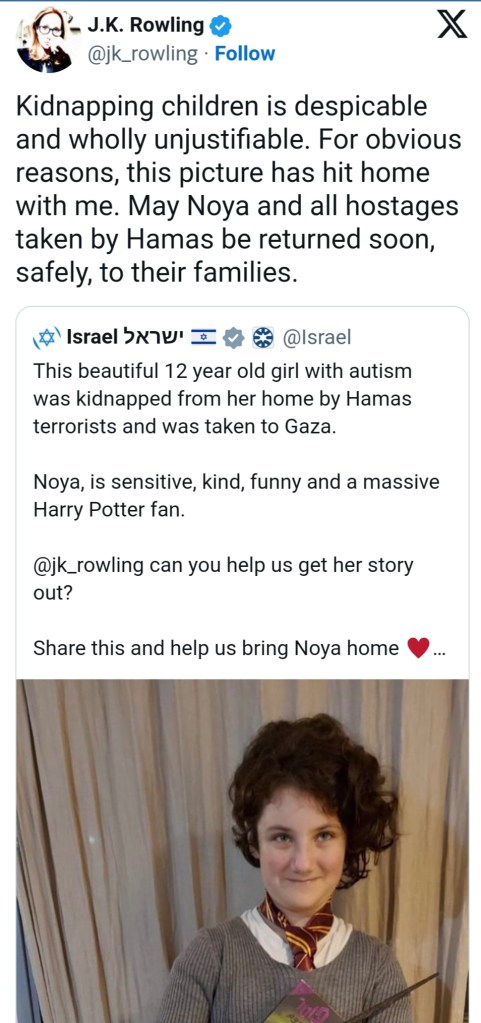
Noya’s picture was posted on X/Twitter, where it drew the attention of J.K. Rowling herself. She reposted it with a heartfelt message:

.

“Kidnapping children is despicable and wholly unjustifiable.” No beating around the bush, no talk about “context” or “proportionality” or “freedom fighters”. For this, J.K. Rowling is my hero. The whining about how she disrespected trans women sounds ridiculously trivial compared to something as huge as this. If you use all the right words and pronouns to refer to people, but you refuse to condemn a horrific massacre by terrorists, what kind of person are you, really?

Noya and Carmela were assumed to be hostages, until their bodies were identified ten days later. They were found at the border with Gaza, burned beyond recognition.

No one knows for sure what happened to them, if they were abducted and then murdered and dumped, or if they were first killed and then Gazans tried to kidnap their bodies but didn’t succeed. There is a “pay for slay” system in place in Gaza, where people get paid by Hamas for killing Jews. A dead body is worth money to them. Shocking? Inhuman? Yes. We’ve heard it all by now.

Galit had to try and deal with the murder of her daughter and her mother, while supporting her sister, whose children were held hostage. For seven long weeks. Try to imagine that. Just try.

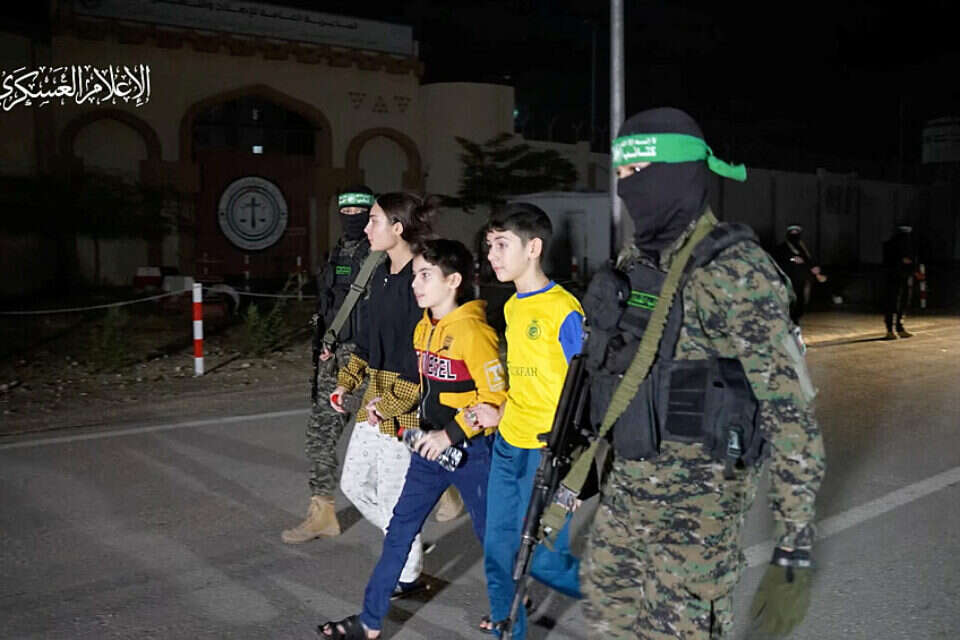
Fortunately, Sahar and Erez Calderon were released during the ceasefire. The relief must have been incredible. But their father, Ofer Calderon, is still in captivity now, three months later.

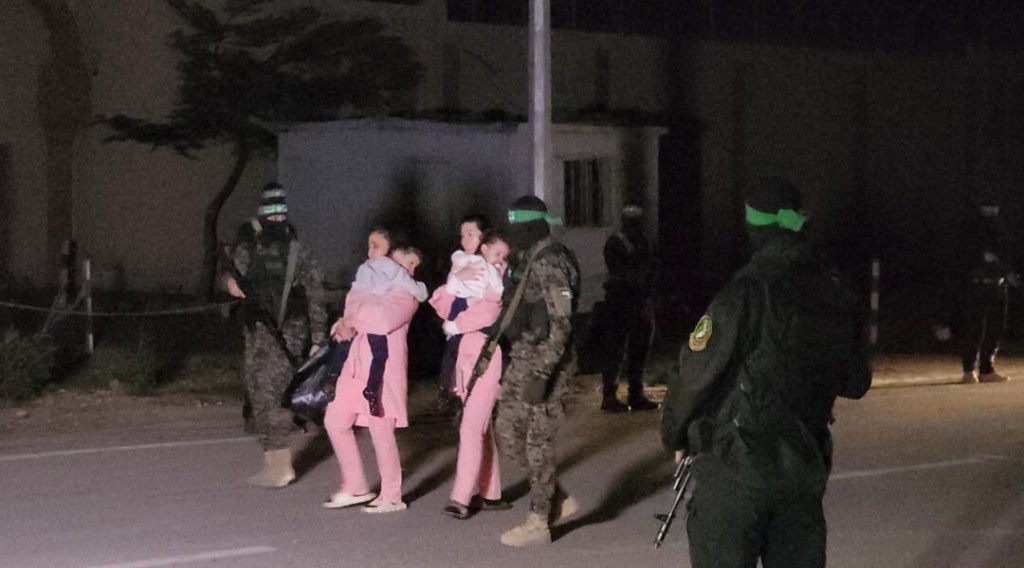
Sahar and Erez walk to safety together with Eitan Yahalomi, escorted by the same terrorists who dragged them from their homes.

But there was no relief for Galit. No homecoming for Noya and Carmela.

Noya was a bright, funny and loving girl. She was also autistic. Galit said: “Noya is my eldest; she is mine alone. I’m a single mother, and she’s a uniquely special child.”

Carmela Dan held American and French citizenship. She loved gardening, cooking and spending time with her family. Like many Israelis who live near the border, she volunteered for a nonprofit organization that brings sick Gazans to Israel to get critical healthcare.

Nothing will bring Noya and Carmela back. Not even magic. Fly high, little wizard. I hope the next life turns out better for you. 💔

The Siman Tov family

My video on YouTube about the Siman Tov family.

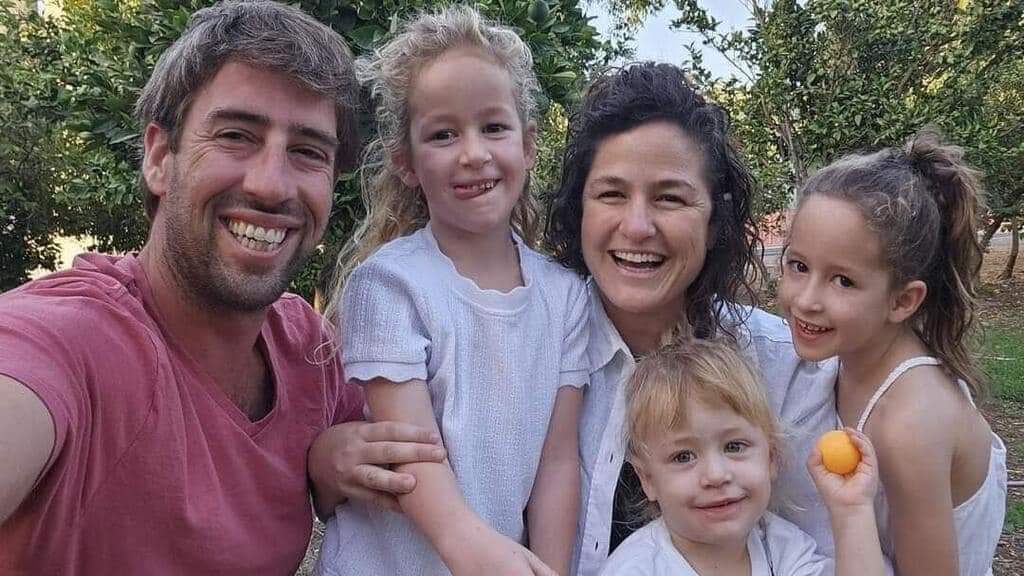
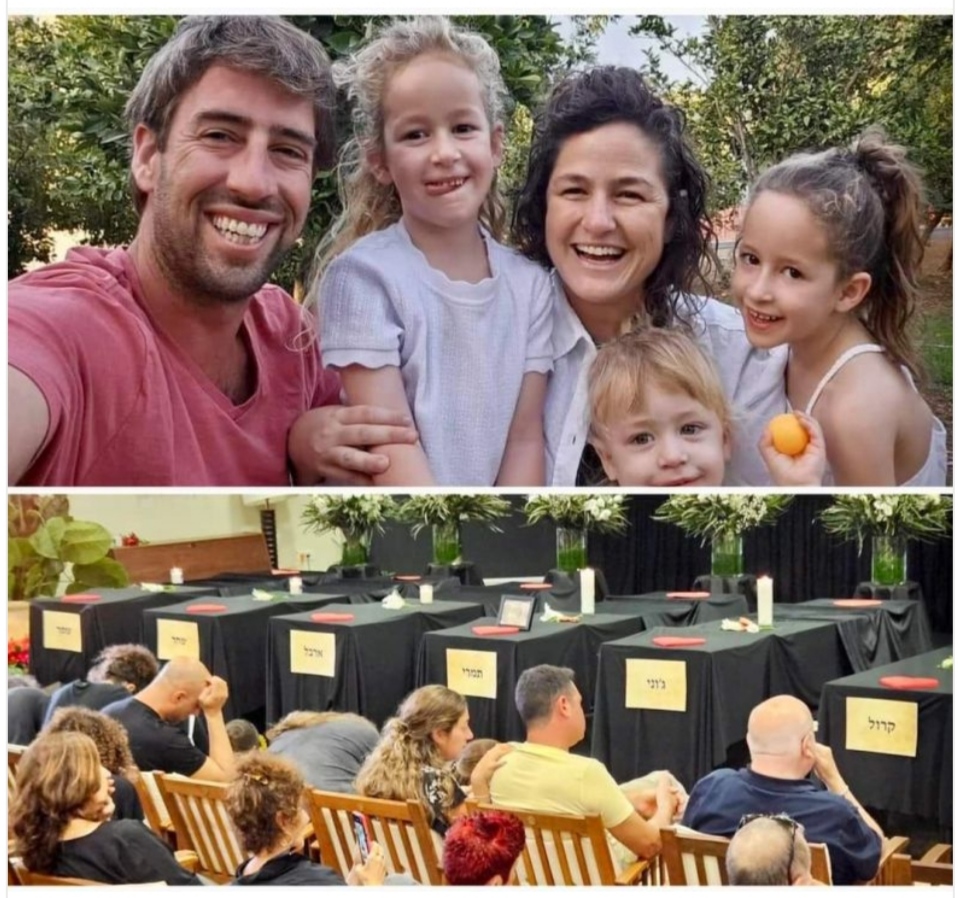
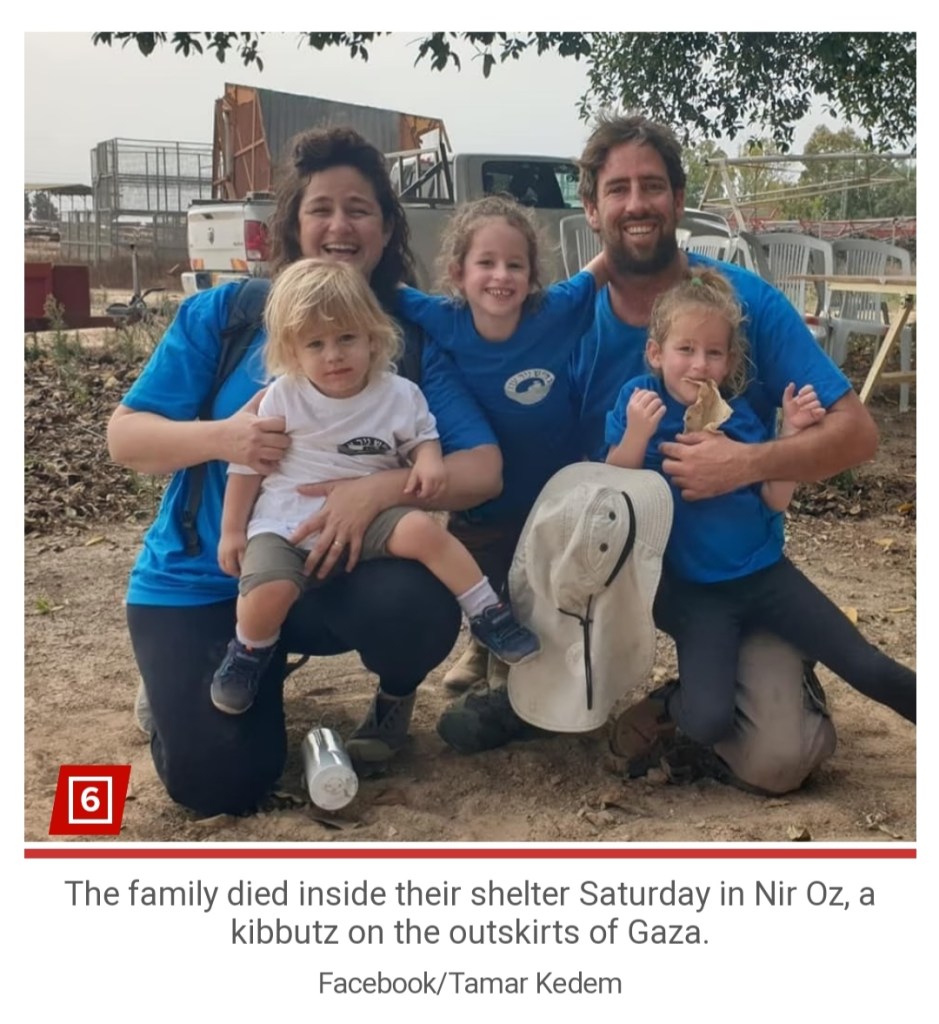
This is the Siman Tov family. Consisting of Yonatan (Johnny) Siman Tov, Tamar Kedem-Siman Tov, 6 year old twins Shahar and Arbel, and 4 year old Omer. A beautiful, happy, laughing family of five from Kibbutz Nir Oz.

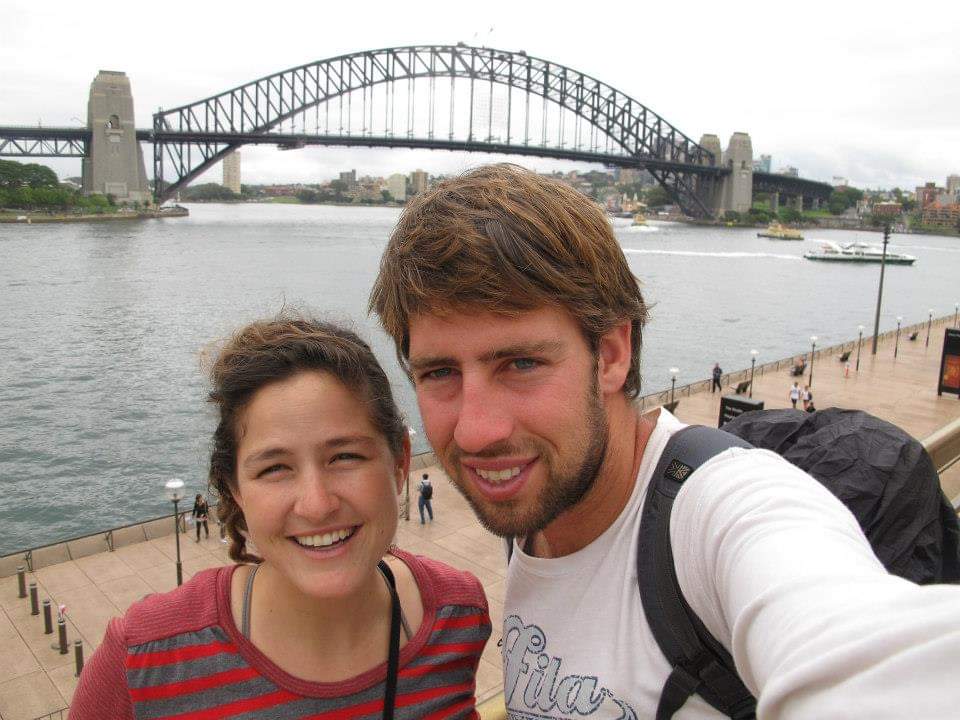
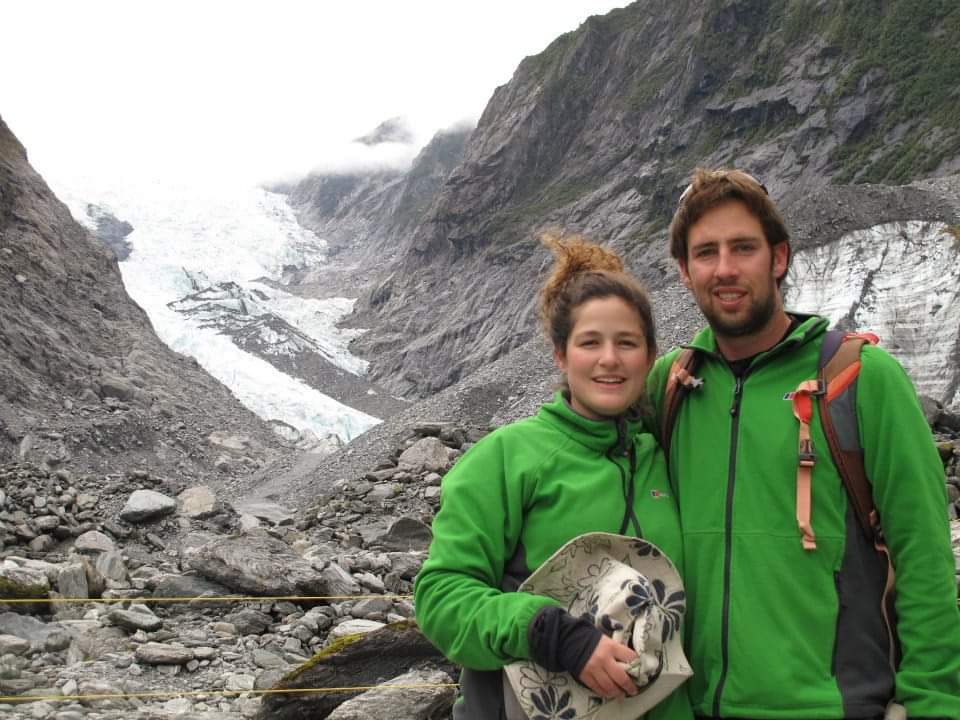
Johnny and Tamar met in 2011. Johnny was a born and raised Nir Oz kibbutznik, while Tamar was from Jerusalem. They both wanted to see the world, so they spent a year in Australia and New Zealand together, where they traveled around as backpackers. These photos are from Johnny’s facebook page. You can just see how happy they were, trekking in the wild nature, seeing the famous landmarks and seeing all those amazing places. I sure they never wanted it to end. They made some good friends in Australia, who they stayed in contact with after they went back to Israel.

.

.

After 7 years together, they got married in May of 2018. They settled down in Nir Oz and soon welcomed twin baby girls, Shahar and Arbel. Two years later, they celebrated the birth of their third child, a little boy they named Omer.

.

.

For years, the family lived happily in kibbutz Nir Oz. Johnny’s mother Carol Siman Tov also lived in Nir Oz, as did Johnny’s four siblings with their families. Carol is originally from the USA, and the entire family holds US citizenship.

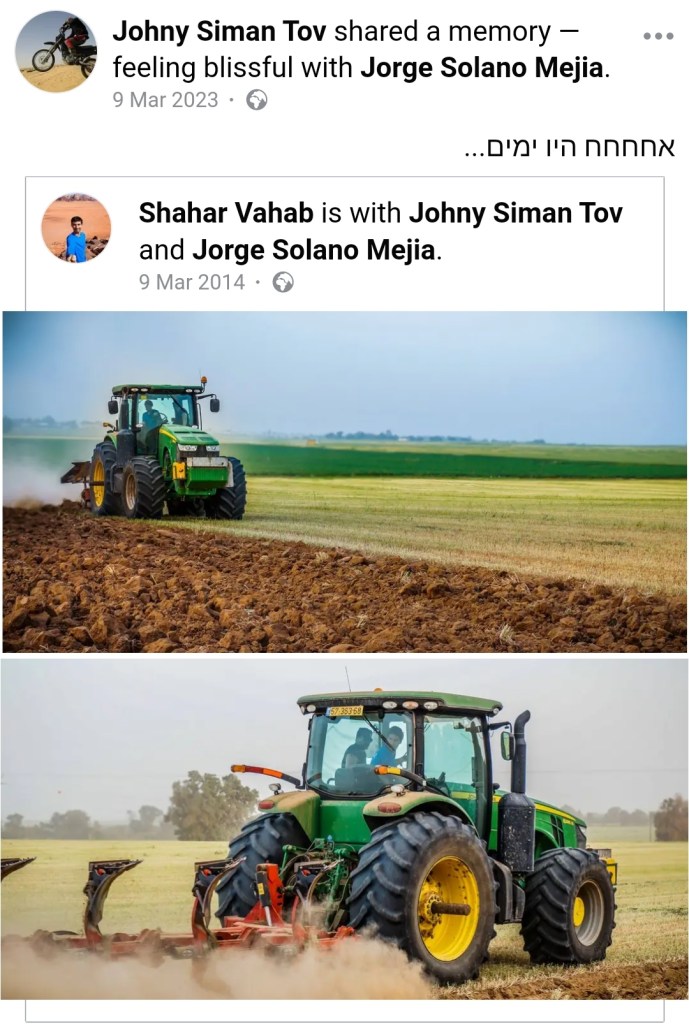
Johnny seems to me like a typical, friendly, down to earth kibbutznik. He was one of the acricultural managers of the kibbutz and worked on the wheat fields. This is one of his facebook posts:

.

.

“Those were the days…” he writes wistfully. His love for the land, for agriculture, for getting his hands dirty working the tractors, is evident.

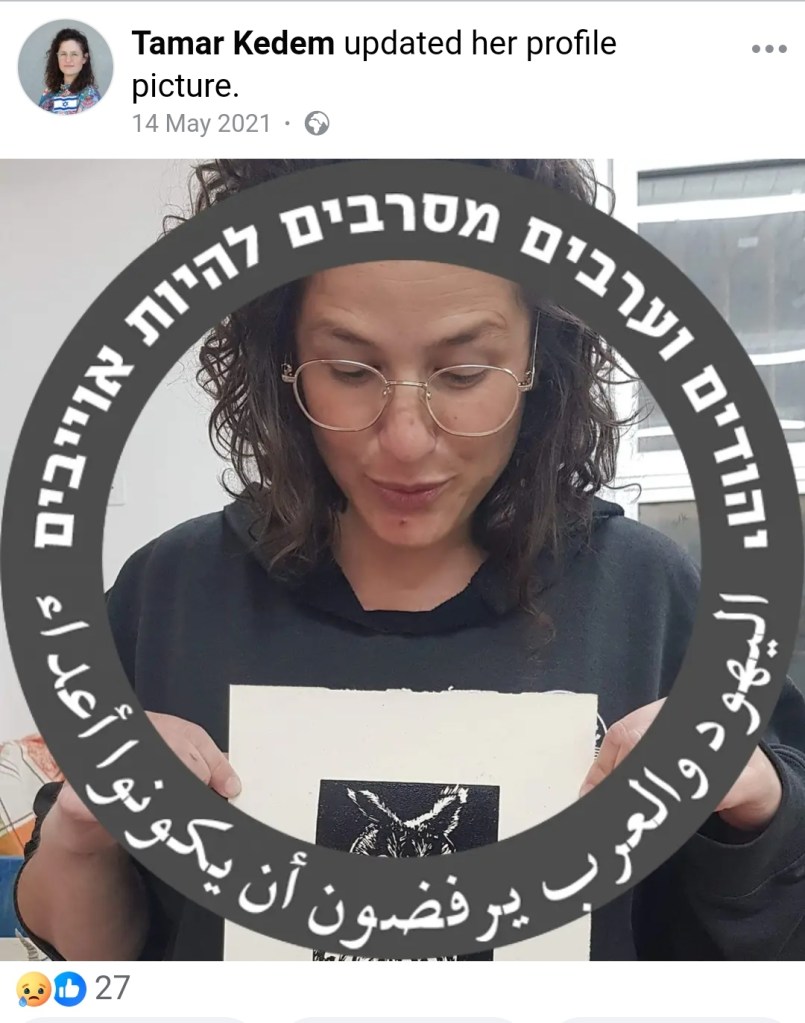
Tamar Kedem Siman Tov was a very driven person, always wanted to make the world a better place. She fought for woman’s rights, she was a peace activist and a politician. She was actually running for mayor of the local council, and had a very strong online presence to support her campaign. It looks like a lot of people in the council admired her and intended to vote for her.

.

.

This was Tamar’s profile picture in 2021. It says: “Jews and Arabs refuse to be enemies”.

In the early morning of October 7, 2023, the sirens started wailing in kibbutz Nir Oz. Johnny, Tamar and the children went into their “safe room”, a room built of solid concrete with a steel door and window shutter, made to withstand missiles and gunfire. Every house in Israel has one. They assumed it was just regular rockets being fired from Gaza, something that occurred almost daily in their area. Tamar sent off a quick text to her friends in Australia: “Hi guys, we got into the shelter in our house, we’re all going ok.” Going ok. As they say in Australia.

But soon, they started to understand that this was not like every other day. Something immeasurably worse was happening. They heard gunfire outside and voices, shouting in Arabic. In horror, they realized their kibbutz was being raided by terrorists, who were going from house to house, killing people and setting fire to their houses. It was only a matter of time until the voices and guns would get to their house. They locked and barricaded the door. Johnny kept up a text exchange with his family, who were locked inside their own houses in the kibbutz.

.

.

When the terrorists broke into the house of the Siman Tov family, they couldn’t immediately get to them. So they set the house on fire. Slowly, the room filled with smoke. Johnny texted to his sister, Ranae: “They’re here. They’re burning us. We’re suffocating.” Choking on the smoke, they were forced to open the reinforced window of their secure room, so they wouldn’t all die of smoke inhalation. But behind the window, gunmen were waiting for exactly that.

Tamar and Johnny were immediately shot through the window. They managed to close the window again to protect the children from being shot. But they must have known they all faced certain death by fire or smoke. The terror, pain and grief they must have gone through in that room is unimaginable. Later that day, Johnny, Tamar, Shahar, Arbel and little Omer were all found dead in the safe room of their burned house. The children had died from smoke inhalation.

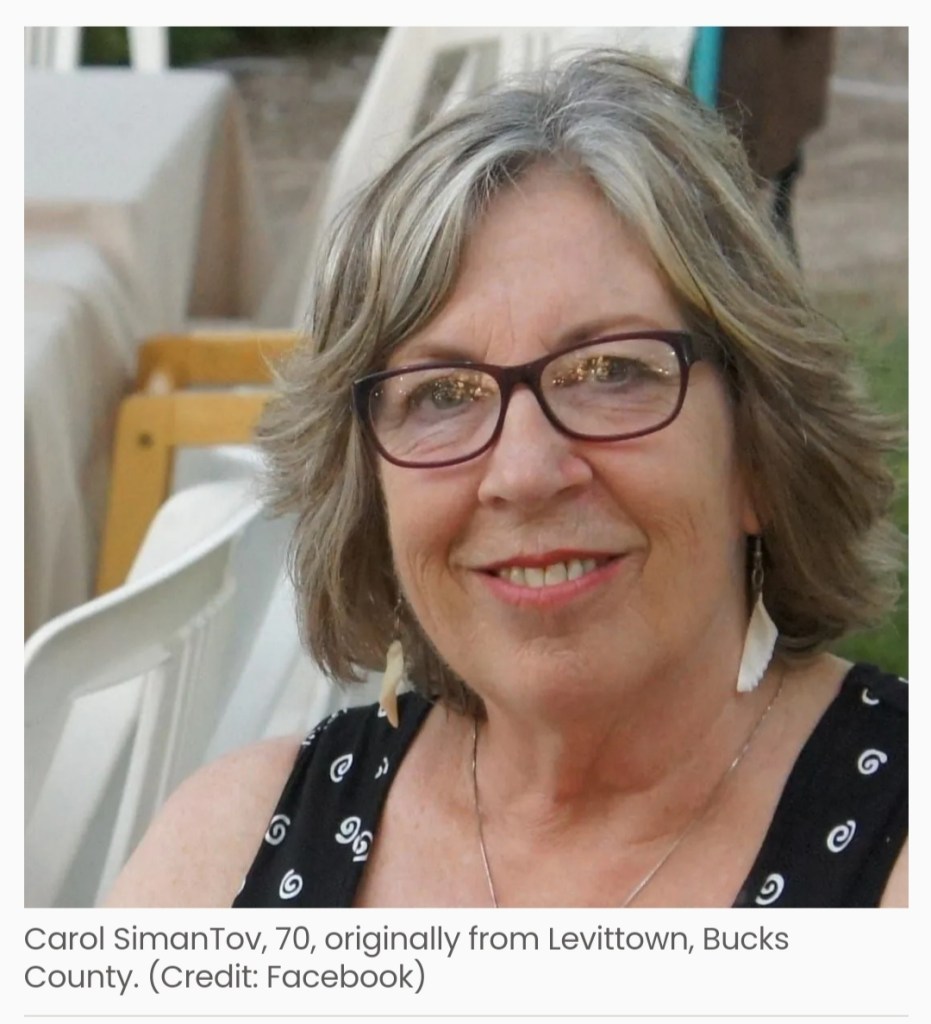
Hamas also got to the rest of Johnny’s family. His mother, Carol, was shot to death together with her dog, Charlie, in her own house. The rest of the family excaped with their lives. Although one of the brothers got shot, he survived.

.

.

So tell me: if this is not premeditated murder in cold blood, then what is?? If this is not the most horrendous crime imaginable, then what is?? Shooting little children execution style? Gunning down an old lady and her dog? What kind of depraved savages could do this?

Hamas is not an army fighting for the rights of their people. They are a terrorist organization, dedicated to the systematic destruction of the state of Israel, of the Jewish people and of all Western civilization. They are also a cruel, totalitarian regime that terrorizes their own people. There is no excuse for what they did and they cannot be allowed to continue to exi

Nothing can bring back the Siman Tov family, and the other 80 people of kibbutz Nir Oz who were murdered that day. Nothing can heal the terrible loss of their family, their friends, and everone who knew them. The entire country is in mourning. But the kibbutzim who were raided on Black Shabbath, are in unimaginable pain.

.

.

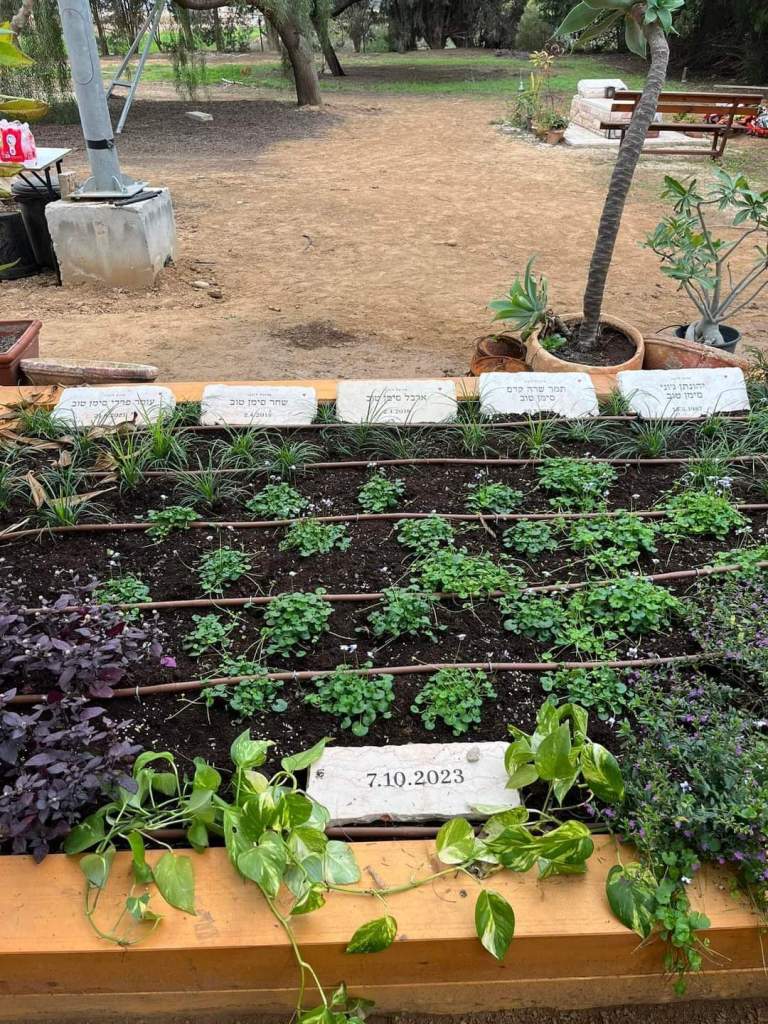
This is the memorial planted in Nir Oz for the Siman Tov family. We will never, ever forget them, and how they died. At the hands of violent murderers.

.

Kibbutzim

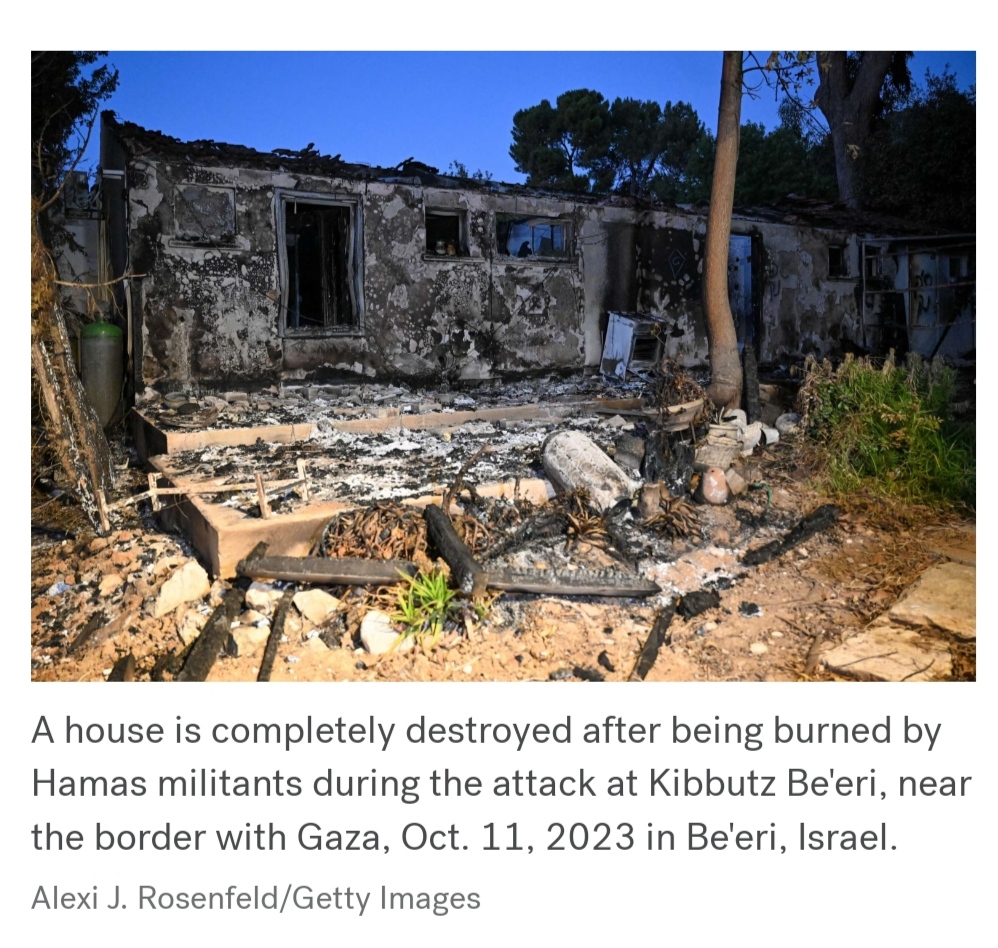
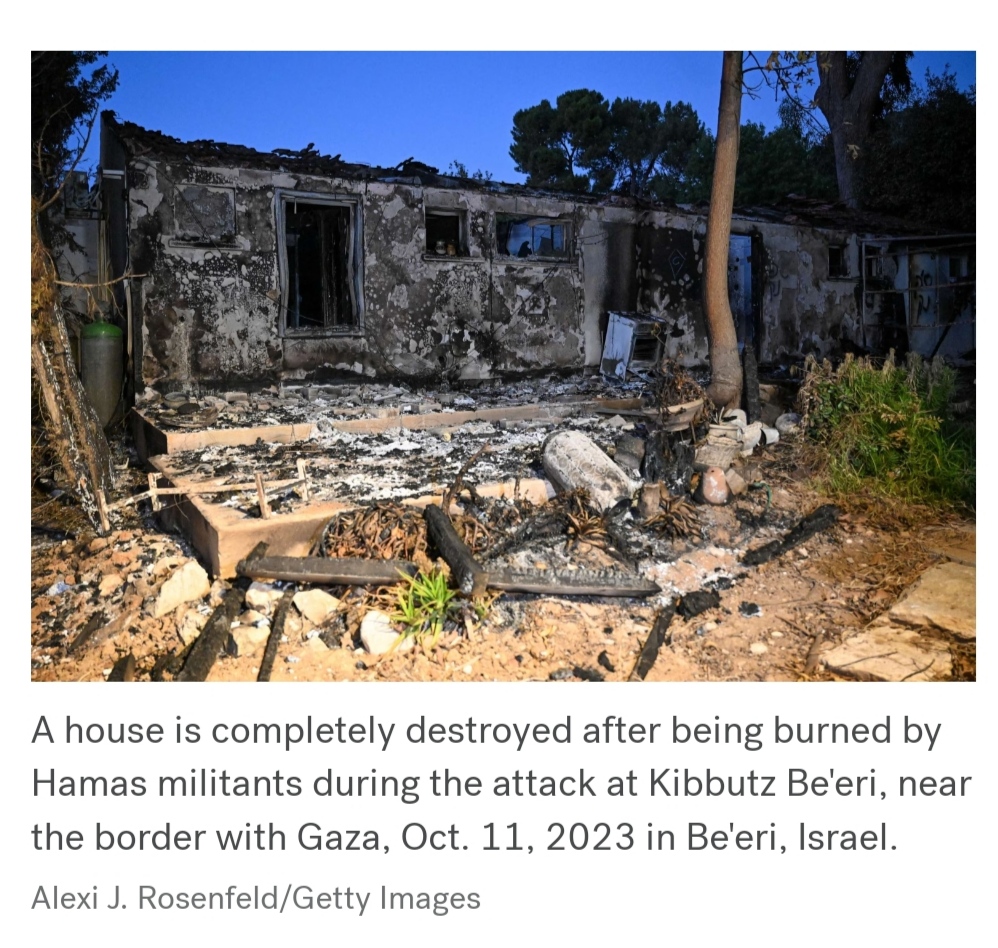
On October 7, 2023, several kibbutzim (plural of kibbutz) in the immediate surroundings of the Gaza strip were raided by Hamas terrorists. The kibbutzim Be’eri, Nir Oz, Nahal Oz, Kfar Aza, Alumim, Nir Yitzhak, Magen, Sufa and Re’im were invaded, massacred and burned. The singed ruins of the once lively communities now stand silent and deserted.

So what’s a kibbutz? That’s some sort of socialist commune, right? Some sort of Soviet experiment that Russian Jews brought to Israel. Excuse me, Russian Zionists. They must have stolen the land from poor Palestinians and brought their racist, communist ideology with them. Right?

Wrong. On every account. Let me tell you what kibbutzim really are, and their history. What’s my authority for telling this story? I live in one. I have lived in a kibbutz for twenty years. I know how they work. I know the good and the bad, the beauty and the ugliness inside out.

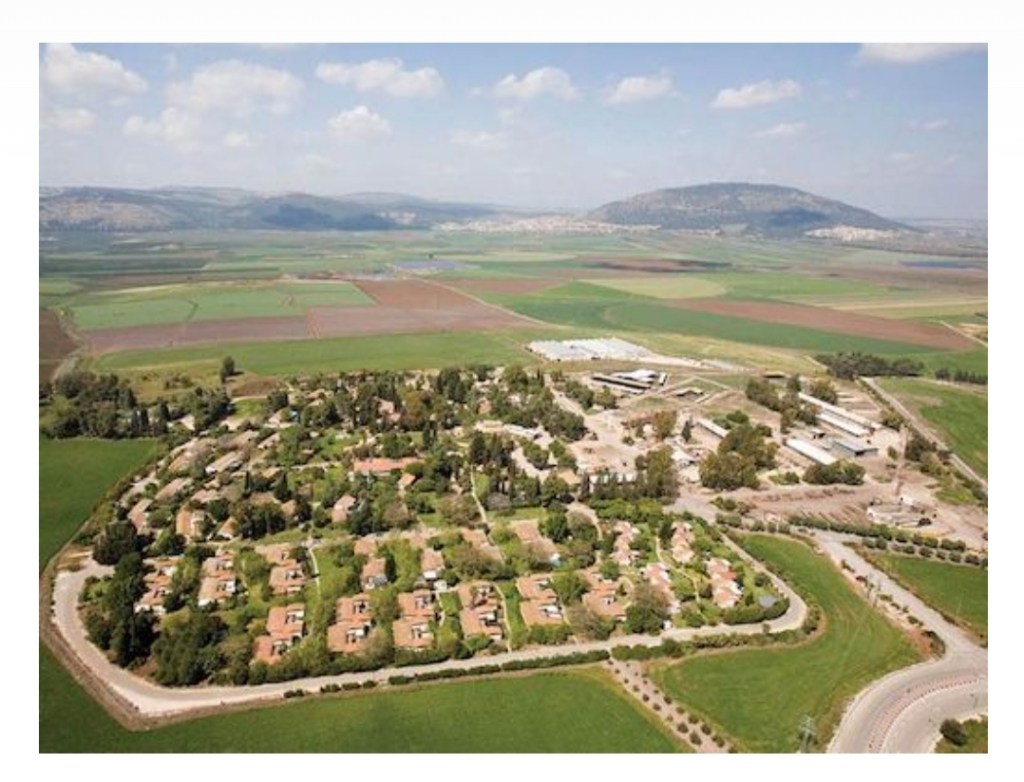
A kibbutz is an agricultural community based on equality and sharing of resources. The word “kibbutz” literally means “gathering”. The first ever kibbutz was founded in 1910, long before the state of Israel existed, even before the British Mandate existed. The land now known as Israel/Palestine was part of the Ottoman Empire. Jews and Arabs both lived in the area. Since the late 19th century, a steady trickle of Russian and Eastern European Jewish immigrants had been coming into Palestine, fleeing from the frequent pogroms. (A pogrom is a violent attack on Jewish people, with the aim of killing them, seizing their possessions and expelling whoever is not dead.)

Palestine in that time was a harsh environment. Some parts were hot, dry and rocky, and other parts were swampy and full of malaria mosquitoes. Individual people didn’t manage to make a living from the land. The only way to survive was to stick together and to form collectives. Groups of Jews bought land together to establish farms. Bought it. They bought the land, they did not steal it. Yes, I know. Astonishing!

The first kibbutz was Degania (cornflower). It still exists, on the shore of the Sea of Galilee. More kibbutzim followed. People bought land collectively and shared everything equally: work, food, housing, money. This way of living and farming was successful because people worked together and shared labour and expenses, while equally sharing in the harvest and the profit (if any). These first immigrants were from Russia and Europe, so the kibbutzim that were founded in this early period consisted mainly of Ashkenazi Jews. The wave of immigration of Mizrahi Jews from the Arab countries came much later. They were also largely secular. Kibbutzim are still predominantly non-religious.

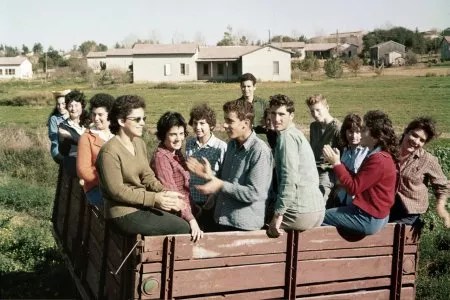
Over time, the kibbutz socialist ideology developed: everyone had to contribute equally and was rewarded equally. Meals were eaten together in the dining hall and holidays were celebrated collectively. Children lived separately from their parents in the “children’s house”. Both parents went out to work the land, while other kibbutz members looked after the children. Kibbutz leaders were elected democratically and every decision was made by voting. Everything was owned collectively and each member got the same salary, no matter what job they did.

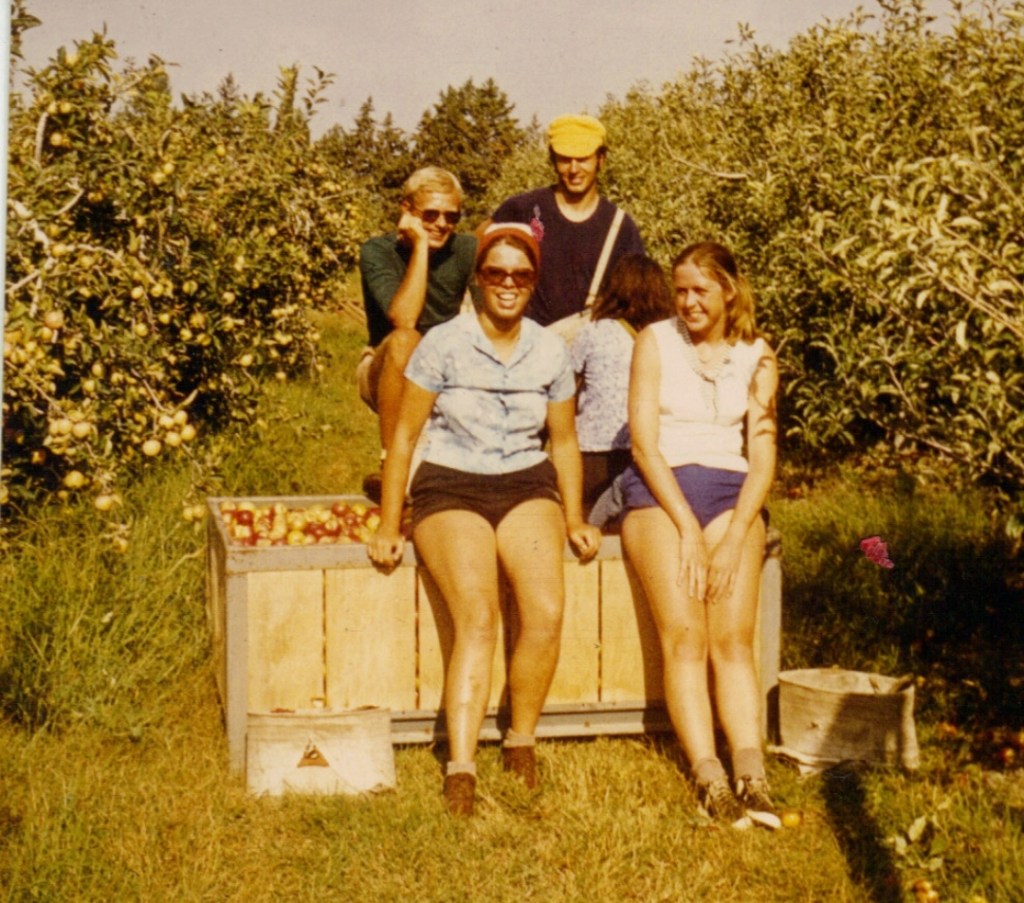
In the 1960’s and 70’s, this communal style of living appealed to the flower-power generation in Europe and the USA. It became popular for Jewish and non-Jewish young people from all over the world to travel to Israel and volunteer on a kibbutz for some time, sharing in the work and the unique way of life of the kibbutzniks (kibbutz members). In fact, a number of famous people were at some point in their life kibbutz volunteers, like Jerry Seinfeld, Bob Dylan, Sigourny Weaver, Simon le Bon, Bernie Sanders and Boris Johnson.

This is how I ended up there. I’m one of the last foreign volunteers to come to Israel. I went for a kibbutz experience in 1999, all wide-eyed and eager and interested. It was honestly one of the best times of my life. Working in the fields, making friends with kibbutzniks and other volunteers from all over the world, travelling and experiencing new things every day.

Then, in 2000, the Second Intifada started. This was a wave of violence directed at Israelis from Palestinians, in the form of suicide bombings, shootings and stabbings. A total of 773 Israeli civilians were killed in this way over the course of 5 years. Israel became a no-go area for foreigners. The stream of volunteers from Europe and the USA, Japan and Korea dried up. Israeli kibbutzim began to rely heavily on Thai foreign workers in agriculture. No young, idealistic people wanted to come for a volunteer kibbutz experience anymore.

Except me. I never left. I had fallen in love with a kibbutznik and married him. We lived, worked and raised our children in that same kibbutz. My husband was born and raised here, and so was his father. My father-in-law was born in 1945 in Israel, to refugees from the Holocaust in Poland. His childhood was far from easy, I would even say traumatic. At that time, children were separated from their parents at 6 weeks old. They went to live in the “children’s house”, where they were taken care of by nannies, so their parents could go and work on the land. They had no choice. Their life was hard work, poverty and war, and they did what they had to, to survive. My father-in-law saw his parents a total of two hours a day. He remembers being jealous of the dog, because the dog could stay and sleep at home, while he had to go back to the children’s house.

The separation of families was one of the hardest things to hear about and one of the dark sides of kibbutzim. Many children grew up disconnected and insecurely attached. Fortunately, this changed in the early seventies. My husband and his siblings lived with their parents, although they spent a lot of their time in daycare, at school and in after-school groups. This was the kibbutz mindset: everyone worked hard, men and women, and children were cared for collectively. My husband remembers his childhood as a great time, always in a gang of friends, playing sports, going on adventures, celebrating holidays.

When I came to the kibbutz, life was still very much communal. People ate in the dining hall, put their laundry in to be washed in the shared laundrette, drove cars that belonged to the kibbutz (you had to put in a request if you wanted a car to go somewhere), and even shared the traditional blue work clothing. Everyone got the same salary, from the dishwashers to the factory manager.

But that way of life was starting to fall apart at the seams. The flipside of sharing everything is losing freedom and individuality. Young kibbutzniks were not happy with the restrictions put on them. They had to work in the kibbutz, they couldn’t own a car or travel abroad when they wanted to. There were so many things they had to do: go to school, work, do kibbutz chores (kitchen duty etc), serve in the army… They longed to break free. They saw their friends from towns make their own money, buy their own cars, own their own houses. They wanted to study, work in hightech, travel the world and be successful. Not break their backs in the cow shed or on the cotton fields, like their parents had done.

So in the end, capitalism won out. Most kibbutzim started the privatization process and became more like regular villages or neighbourhoods. But figuring out who owns what and who deserves what is no easy task. Our kibbutz’s dining hall is closed. The laundrette is now a corner shop. The childrens’ house has been converted to rented appartments. Most people work outside the kibbutz and own their own house. But the process was extremely slow and difficult and came with a lot of arguments, fallings out, people quitting or getting fired, outside interference, anger and frustration.

And that’s the other thing. See, people get fed up with each other when they have to see each other day in, day out. You can’t escape each other. Our kibbutz is very small and everyone knows each other. Not only that, but everyone knows everything about each other. The good, the bad and the ugly. It’s kind of like a never ending family party, where you cannot escape the creepy uncles, the bitchy cousins, the complaining old aunts. Nothing is a secret. And nobody is perfect. Everyone has things they prefer not to let the whole family know. Well, too bad. Gossip is currency. Also, no matter how much you like someone, after meeting them on the kibbutz paths five times in the same day, you duck behind a fence so you don’t have to say: “Ah haha, we meet again, next time coffee!” Again. For the millionth time.

But in the end, I love my kibbutz. And no matter how often I argue with my neighbours or grit my teeth over people driving their cars on my grass, I love my kibbutz family. Some of them have died in terror attacks or in wars. Some of them are fighting in Gaza as I am writing this. After October 7, this tsunami of grief and fear has bound us together like never before.

Here’s to kibbutz Be’eri, to Kfar Aza and Nir Oz. Here’s to all those kibbutzim that were overrun, massacred and burned. Hamas will not win. Kibbutzniks are some of the toughest people alive. They will come back and live there again, work the land and honour their dead. As they have always done, since the beginning.

The Bibas Family

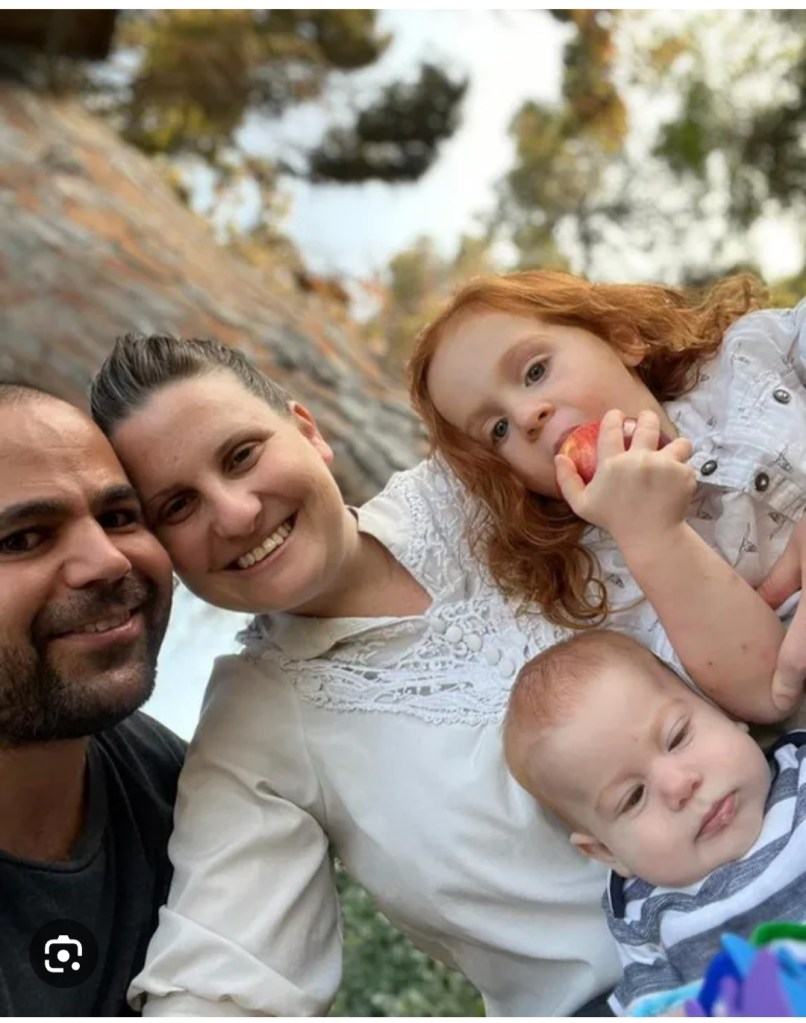
Shiri Silberman-Bibas (32), Yarden Bibas (34), Ariel (4) and Kfir (9 months) lived in kibbutz Nir-Oz. They were happy together and had a beautiful little family, two little boys with flaming red hair. Shiri’s parents immigrated from Argentina 40 years ago, while Yarden Bibas is from Yemeni descent.

In the early morning of October 7, kibbutz Nir Oz was invaded by hundreds of Hamas terrorists, armed to the teeth. They went from door to door, killing entire families, shooting children in their beds, tying people up and torturing them, setting their houses on fire and burning them alive.

In a panic, Yarden, Shiri and the children hid in the safe room of their house, together with Shiri’s parents. They contacted their family, telling them what was happening. “It feels like the end,” Yarden texted to his sister. Then: “They are coming into the house.”

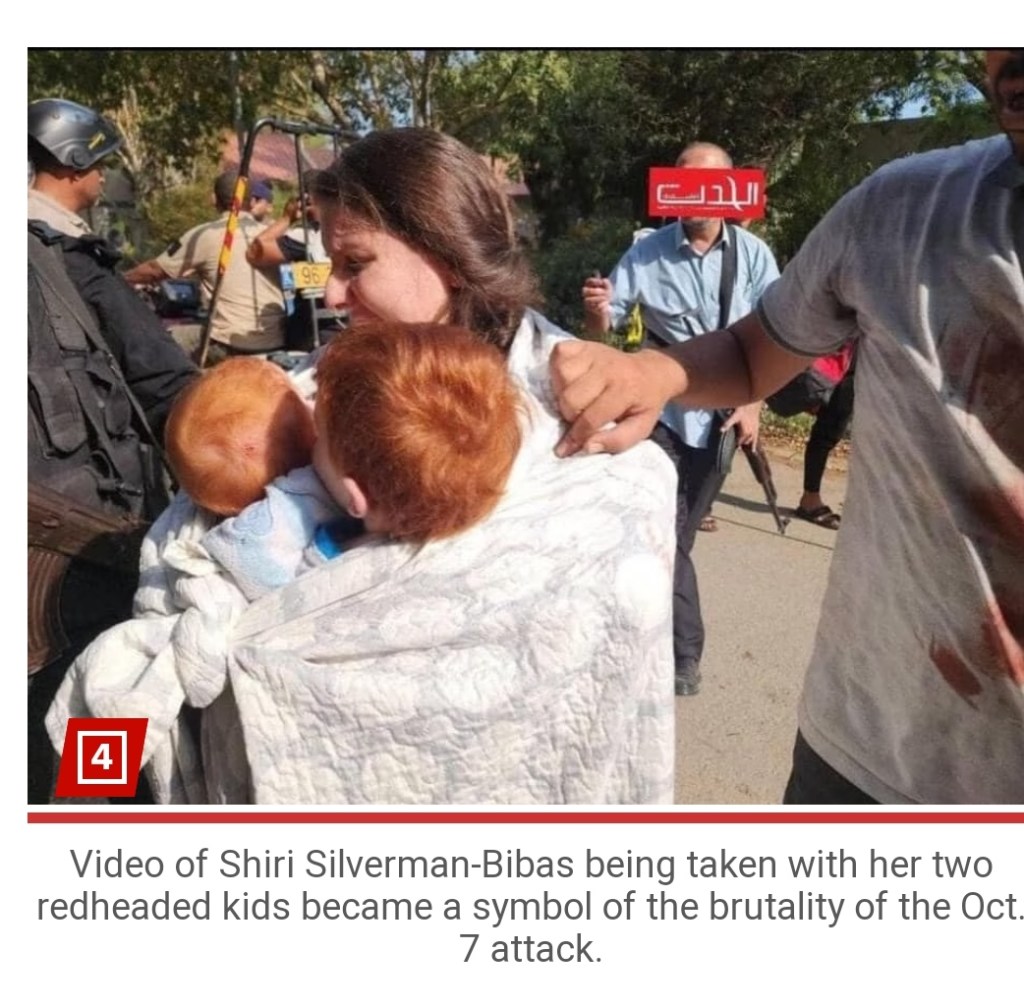
After that, there were no more texts. But Yarden and Shiri’s family saw their loved ones in the Hamas videos of that day. The little boys’ bright red hair was hard to miss. They had to watch as armed men escorted Shiri out of the house, sobbing and terrified, clutching her two babies. Then, they had to watch as terrorists beat Yarden with a hammer and took him away separately, wounded and bleeding from his head.

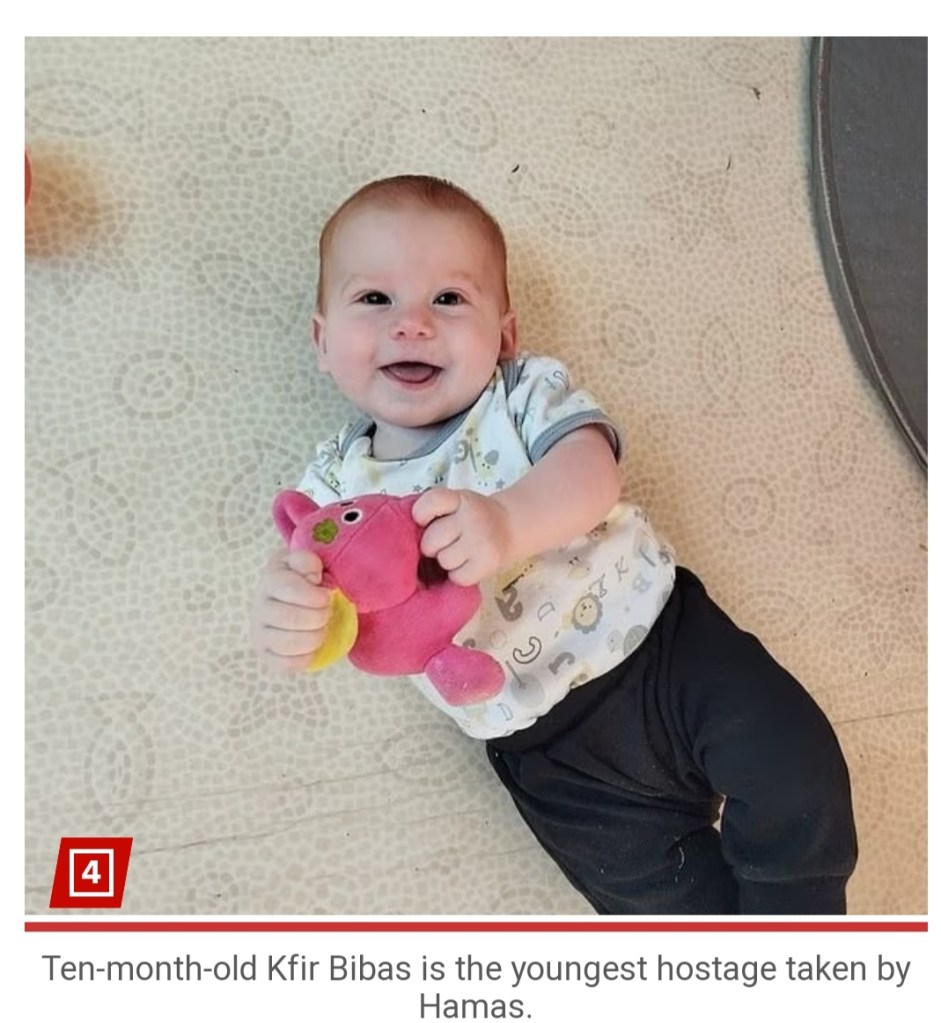
This video and the screenshots made the Bibas family the most famous hostages. Kfir, at nine months old at the time, is the youngest hostage of all. The following image has been shown all over the world.

People are also trying to find out the identity of the man in the light blue shirt behind them, the man whose face Hamas is trying to conceal. Is he a Western journalist? There is a theory that there were journalists and photographers with the terrorists, who had prior knowledge of the attack and who came along to film and photograph everything that happened. There are freelance Gazan journalists seen in other pictures, some of them with known ties to Hamas. The cruelty and callousness of people standing by and taking photos of a massacre is inconceivable.

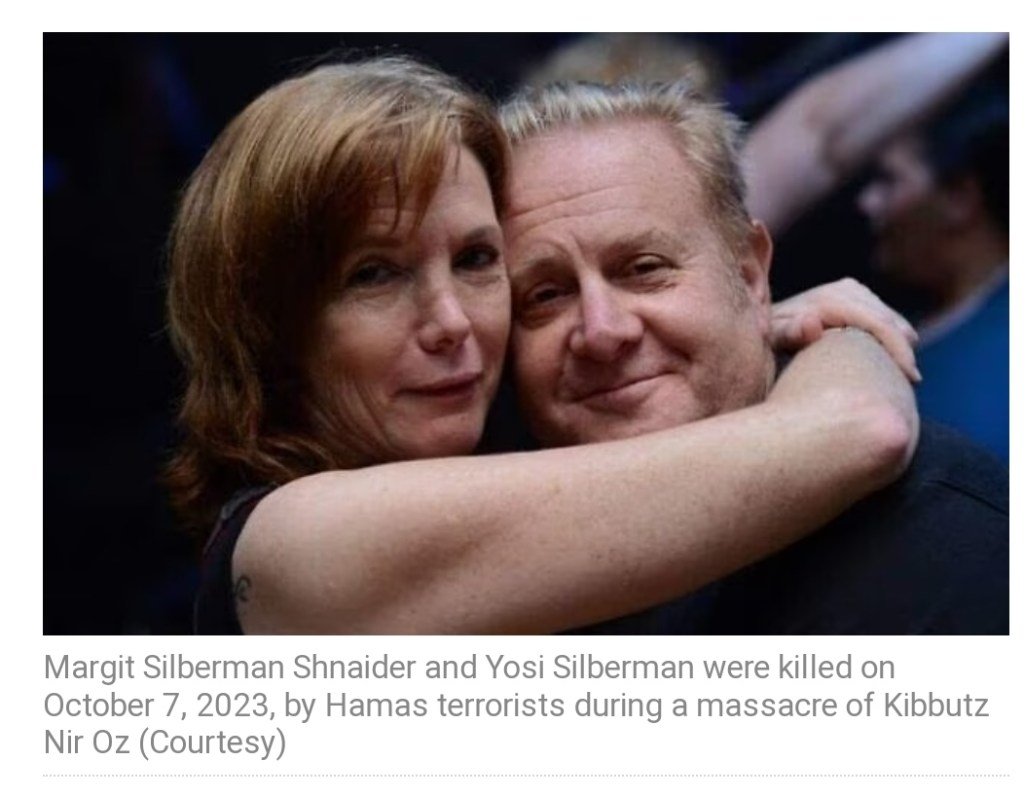
For weeks, there was no news of the Bibas/Silberman family. Shiri’s parents, Jose Luis (Yossi) and Margit Silberman, were assumed to be hostages, until their bodies were identified in kibbutz Nir Oz. They had been murdered, not abducted.

After 7 long weeks, Hamas finally caved under immense pressure and agreed to release the minor hostages and their mothers. For a week, every night a small number of children, mothers and elderly women were released.

But Shiri Bibas and her redheaded babies were not among them. Every night, their family, along with the entire country, prayed that they would come home the next day. People held vigils and released orange balloons in honour of the children. Tomorrow… Tomorrow, the ginger babies will come home.

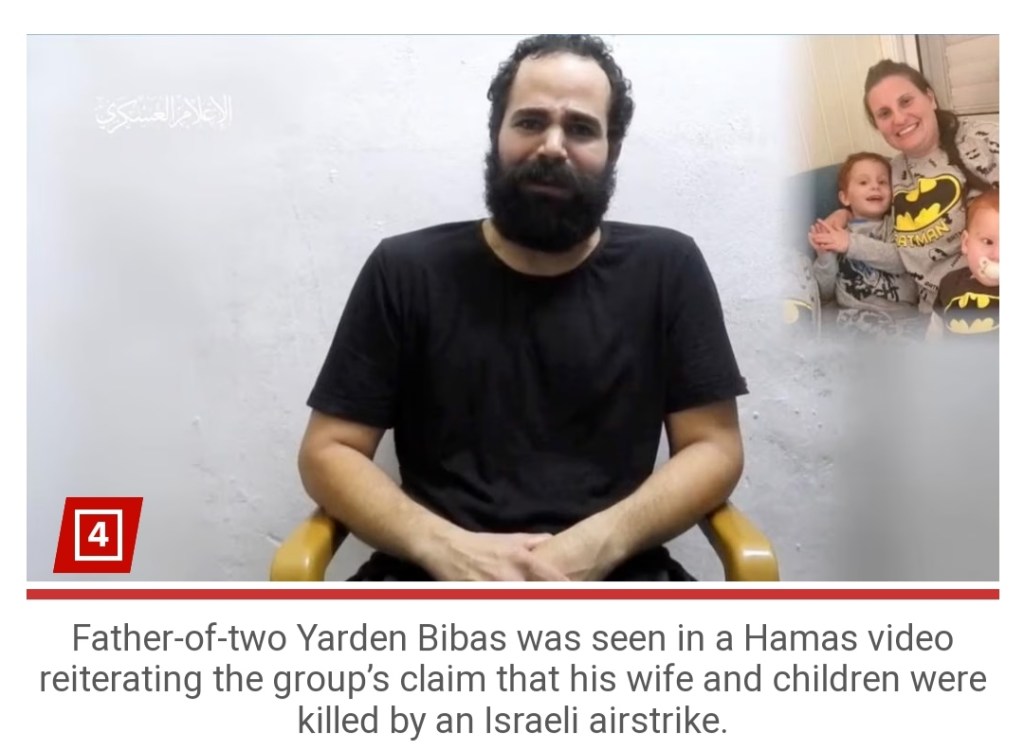
But they never did. On November 29, Hamas released a video of Yarden Bibas. They filmed his reaction while terrorists told him that his wife and children were dead, according to them, killed in an Israeli airstrike. They forced the sobbing and broken man to blame the Israeli government and to say that they had killed his family. There are no words to describe psychological torture of this level. The entire country is brokenhearted and just wants to bring Yarden and the bodies of Shiri and the children back to Israel.

There is no evidence that Shiri, Ariel and Kfir are really dead. It is possible that Hamas is using them as pawns in their psychological warfare tactics. Earlier, Hamas claimed to have passed them on (sold them) to another terror organization, and lost track of them. We have no way of knowing what is the truth. But the heartbreak and the pain is real, for all of us.

We keep on hoping for a miracle, and that one day, the Bibas family will return home. We love you, Kfir, Ariel, Shiri and Yarden.

#bringthemhome

October 7, 2023

.

YouTube: Stories of Israel – True Crime

.

I’m a true crime fan. I have followed the true crime community for years. The psychology behind the terrible stories is fascinating. What makes murderers and kidnappers tick? Why do they do what they do? What made them this way? And who were their victims? How do their loved ones deal with something so dark and awful?

Then, true crime happened to me.

This story was a letter that I wrote on November 7, 2023, exactly a month after the terrible, traumatic event that changed all of our lives forever. I sent this letter to all my favorite true crime podcasters and YouTubers, who I have watched and listened to for years. I have supported them, encouraged them, defended them and donated to them. Now, I felt like I needed them to support me.

None of them answered me or acknowledged my plea in any way. None of them expressed sympathy or addressed the living nightmare we have experienced and are still experiencing. Not one true crime YouTuber has told our horror stories. By now, I realize that they are not going to. So I decided to do it myself. This is the letter I sent to them.

.

I want to tell you a story. It is a very, very shocking and gruesome story. I will only tell you the outlines, because the details will give you nightmares forever. To me, this is true crime at its most horrific, most devastating and most… True. Every single word of this is true, and there is video evidence for all of it.

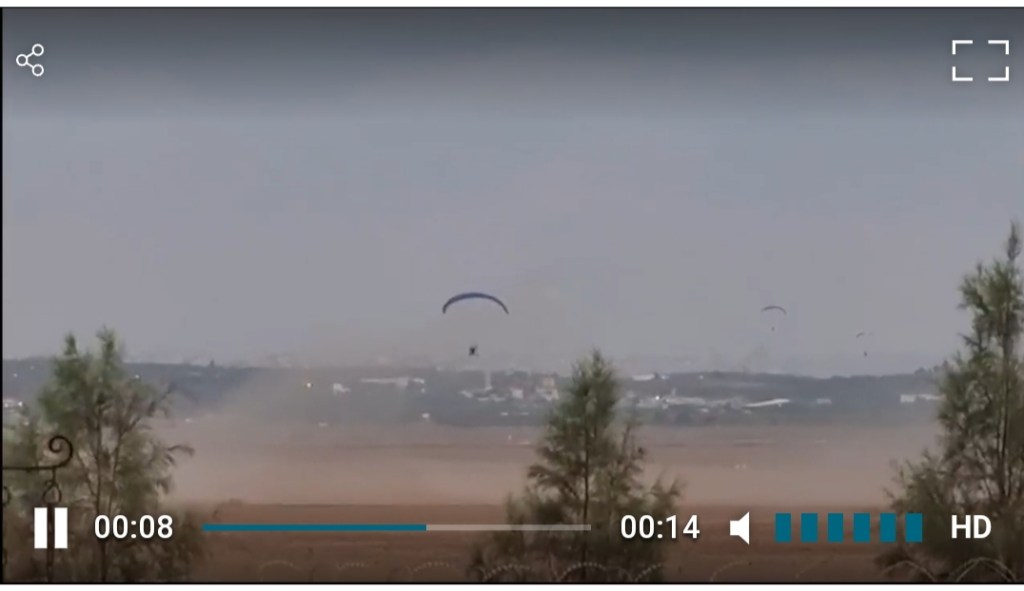
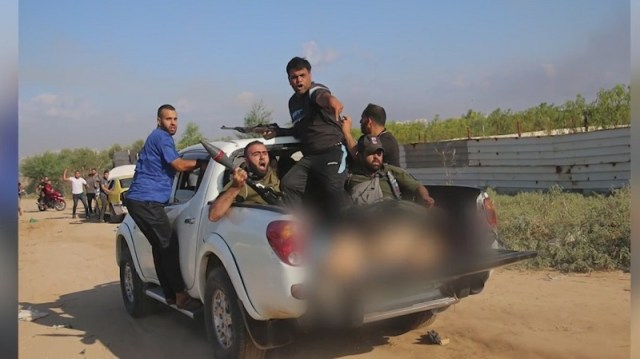
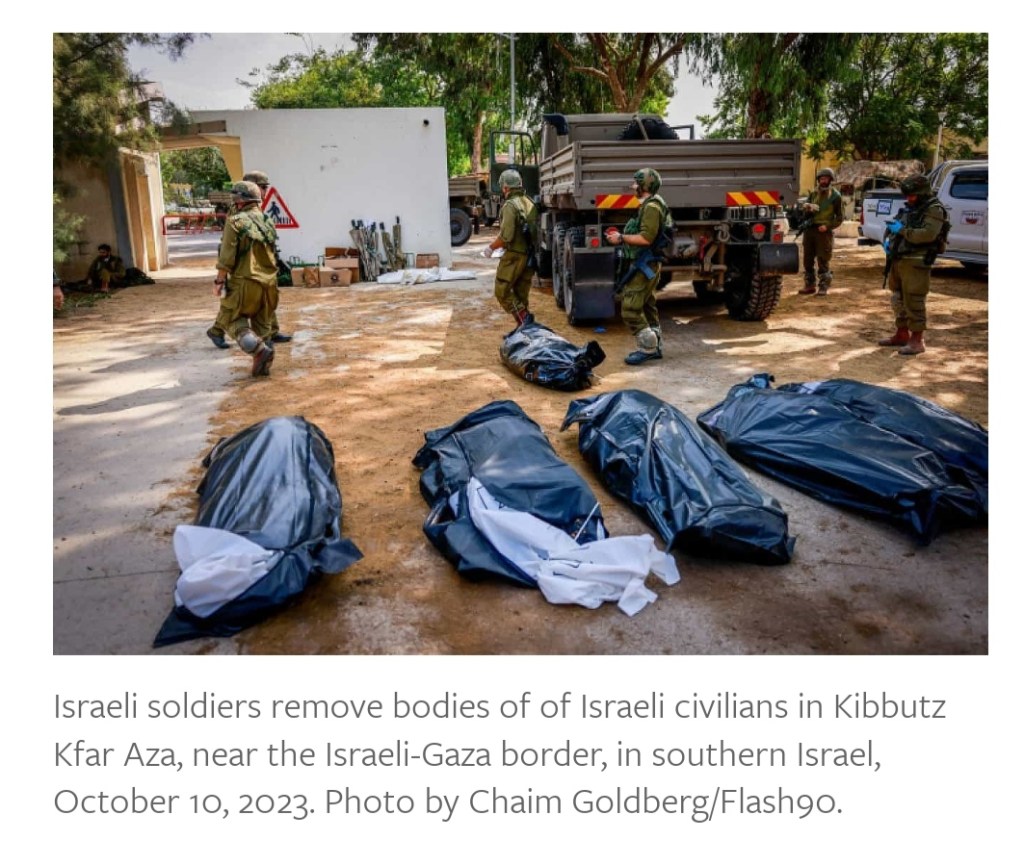
On October 7 of this year, the south of my country was invaded by thousands of terrorists. The attack came out of nowhere and we were all caught off guard. They drove in with trucks and cars and motorcycles, sailed in with boats over sea and even flew in with paragliders. The terrorists broke into people’s homes and murdered more than 1200 people. The victims were men and women, children and babies, elderly and disabled people. Many of them were tortured, mutilated, beheaded, or burned alive. Parents were brutally murdered in front of their children. Parents were made to watch as their children were killed. Their houses were then set ablaze. Many people died in the flames and were burned beyond recognition.

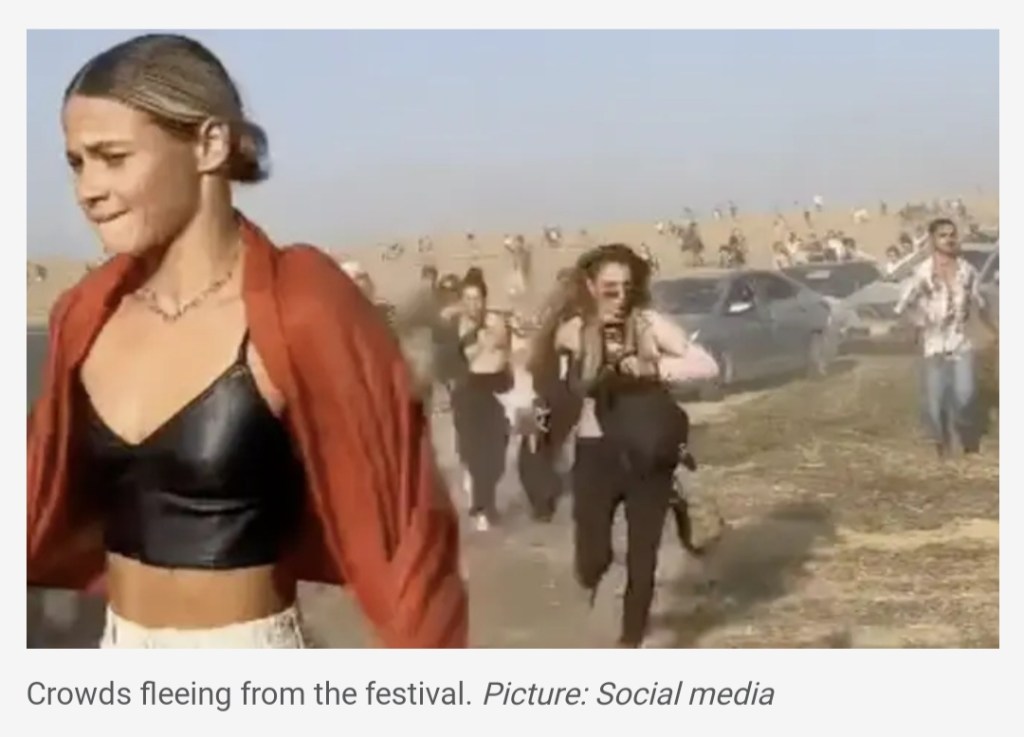
Other terrorists drove further into the country and came to a music festival, where many young people were dancing and enjoying themselves. They shot as many people as they could and grabbed and gangraped many of the young women, until they died, until their legs and pelvises were broken. The naked, lifeless bodies were then piled on trucks, some missing limbs or heads, and paraded around for everyone to see.

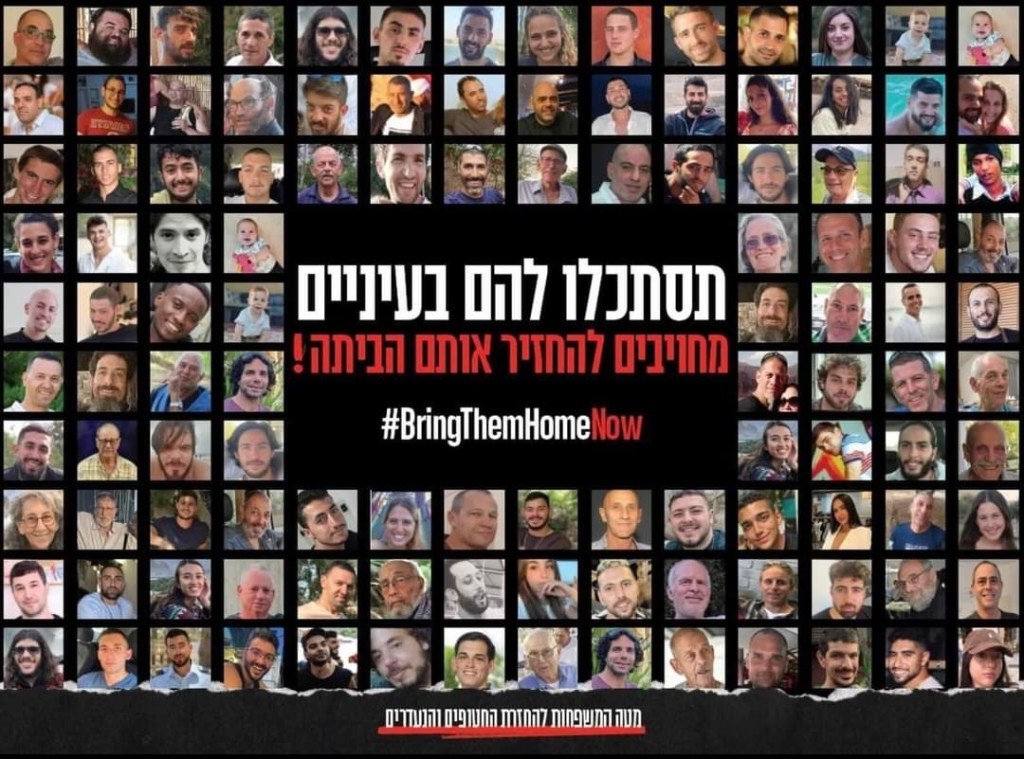
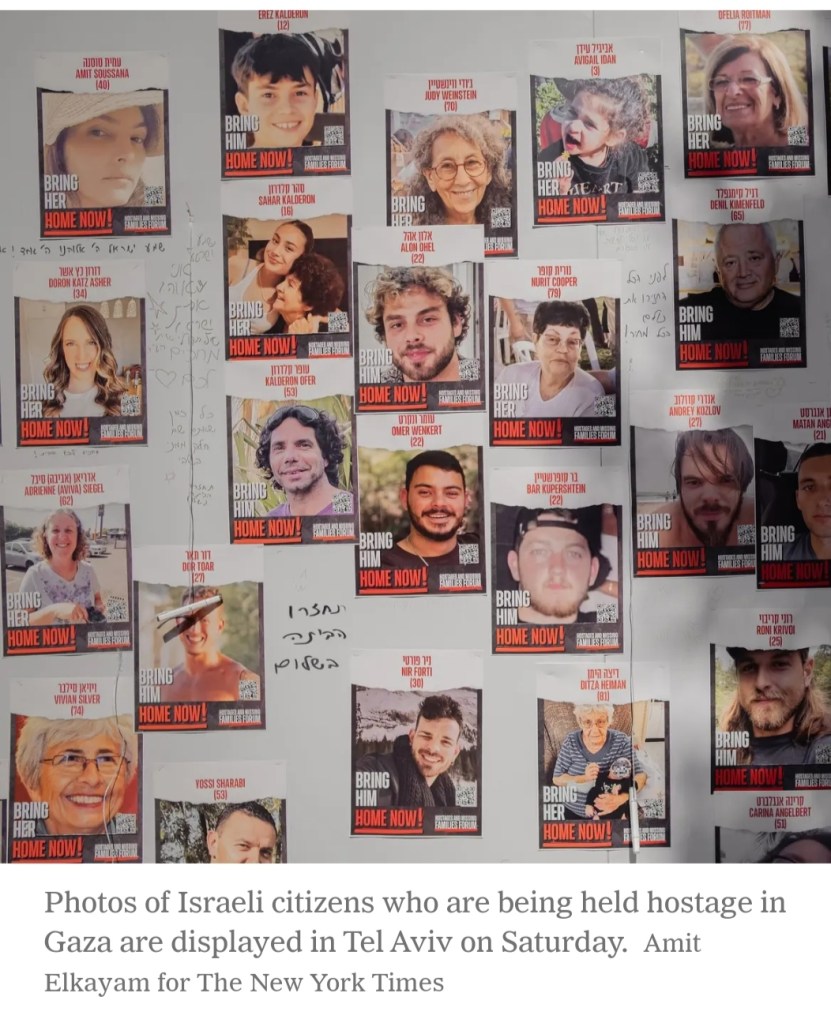
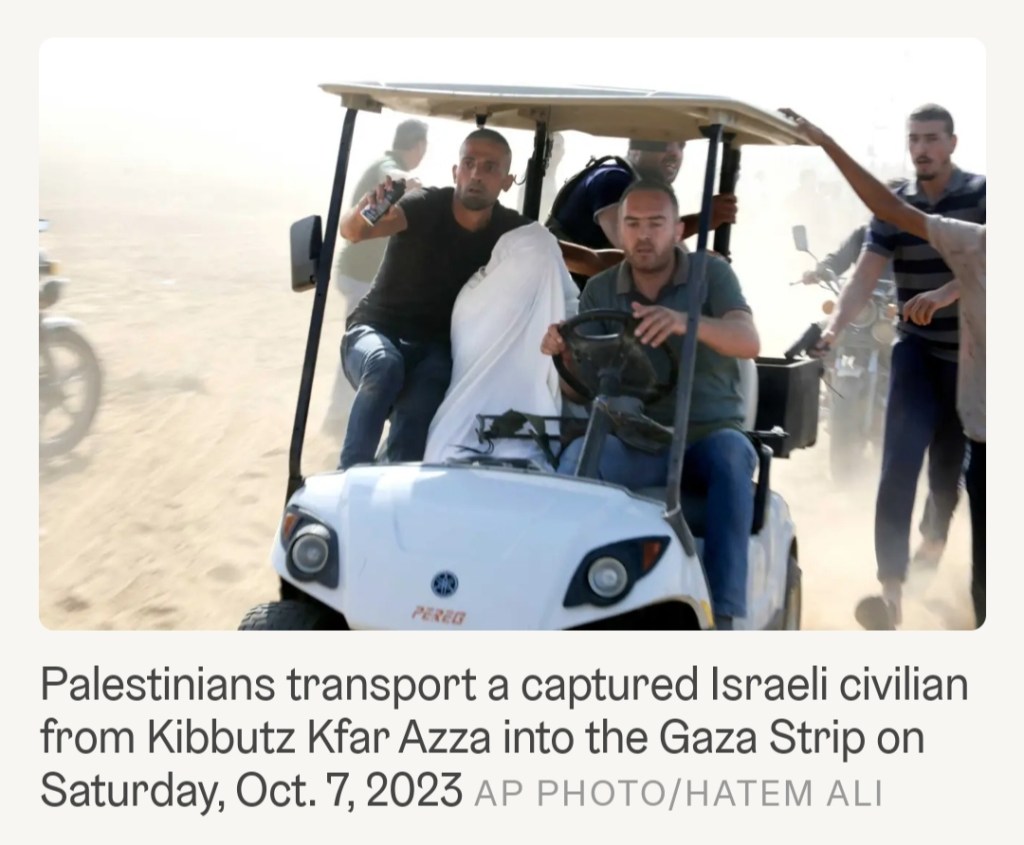
The terrorists then kidnapped living people. They pulled them into their cars and on motorcycles, and took those people with them. They abducted a total of 240 men, women and children, who have been held hostage for a month now, with very little signs of life.

I am of course talking about the massacre by Hamas in the south of Israel. Since that horrible day, we have all been living in hell. Our every waking and sleeping thought is of pain, fear and death. Time stood still for us on that day. 

I am not asking you to take sides in the terrible war that followed this mass murder. The only thing I want from the true crime community is to acknowledge that what Hamas did to us was a crime. It was not an act of war. There was no war at that time. What they did was a deliberate and premeditated crime, with the goal of murdering and kidnapping as many Israelis as they could, while maximizing our suffering as much as possible. That was their only goal. 

There is plenty of evidence for this. The terrorists wore cameras on their heads and recorded every horrific act they committed that day. They uploaded it on social media, proud of what they did. Much of the footage is freely accessible, although not all of it. Some of it is too gruesome to be shown to the general public. It has been compiled into a movie, that has been shown to journalists and news outlets around the world. Half of them were unable to stay in the room and finish watching. All of them came out shaking and feeling sick. 

The people held hostage range in age from nine months to 86 years old. They are from a wide range of nationalities. They are Israeli, American, Thai, Filipino, Tanzanian, Argentinian, German, British… The list goes on. Their families do not sleep and cannot breathe. Their lives are hell.

What I want is for the international community to acknowledge that this was a terrible crime against the people of Israel, whether they were Jews, Muslims, Christians or otherwise. Hamas murdered without distinction. A lot of Israeli Arabs, Thai foreign workers and visitors were killed and captured as well as Jews. 

The MeToo movement turns a blind eye to the violent rape of hundreds of Israeli women. The Red Cross and Unicef do nothing to secure the release of 30 children being held hostage, or to verify that severely wounded hostages receive medical care. Antisemitism has sprung up over the entire world. Jews feel threatened and unsafe everywhere. Jewish children are being kept home from school in Europe. Jewish college students in the USA are not going to class, for fear of being harassed. 

I am powerless to stop any of this. But I have a voice. So I post, and I write. I want everyone to know what is happening. It feels to me as if history is coming full circle and repeating itself. 

That is my story. I am fortunate to not have been affected personally and my family is safe. But friends and family of my friends have been murdered, abducted or killed in battle. We are traumatized, shocked, angry and afraid. And so very, very sad. I live for the day that the hostages will come back home. I pray that they are still alive.

Thank you for listening.