The Thais caught in the storm

On October 7, 2023, Hamas murdered Jews, Israeli Arabs and non-Jewish foreign workers alike. Of the around 1200 murdered people (the exact number is still not clear), 39 were Thai. A further 26 Thai people were taken hostage and 19 were injured. Four Filipino nationals were murdered and two were abducted. Two Tanzanians and ten Nepali students were killed and one taken hostage. Four Chinese people died in the attack and two are still missing.

Why were all these Asian and African people in Israel? Some of them are foreign students of agriculture, who come to Israel for a work experience in a kibbutz, like the Nepali and Tanzanians. The Filipinos mostly work in care, as aides for elderly and disabled people.

And the Thai and Chinese people are farm and construction workers. Israel’s agriculture relies heavily on foreign workers. There is simply too much work and there are not enough people who are prepared to do it. For many Thai people, working in Israel is the only way to make enough money to take care of their families. For them, the salary of a farm worker is a lot of money.

There are an estimated 30,000 Thai workers in Israel. Most of them are male and work in agriculture. In my kibbutz, there are around 30. They work in the fields and orchards and in the dairy farm. You could say that there is a Thai subculture in Israel. Many of them live in housing away from the kibbutz, in the fields, where they have some land to grow vegetables, keep chickens and other small animals. There are Thai shops and supermarket vans that cater to their needs, supplying them with Thai groceries, so they can make the food they are used to.
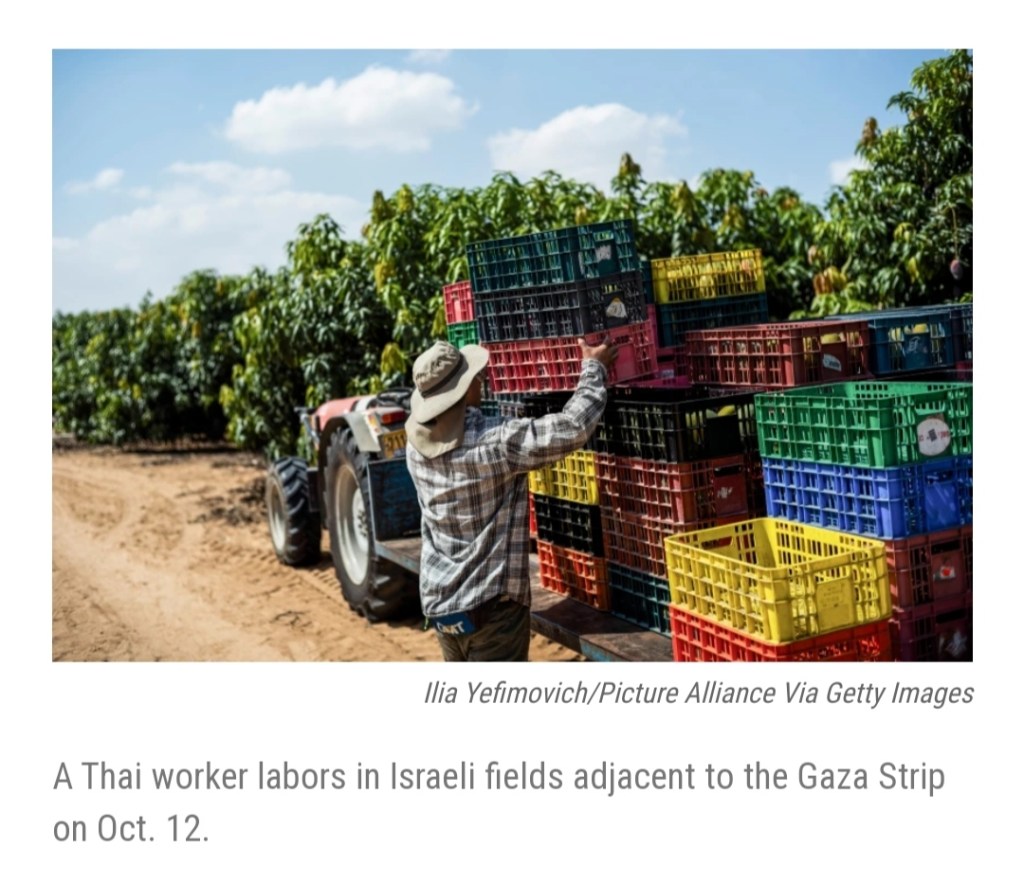
Is everything perfect? Absolutely not. I do think that in most kibbutzim, the Thais are valued highly and treated well. But some are exploited, neglected or even abused. Their living quarters everywhere are not even close to Israeli standards. They often have no air-conditioning and no adequate bomb shelter. There are agencies and laws that are supposed to protect the rights of foreign workers, but in reality, there isn’t enough supervision and the Thais often don’t even know where to turn to if things are not ok. There is a huge cultural divide between them and the Israelis. They usually do not speak any English or Hebrew when they arrive here, so communication is very difficult. Most of them pick up words and phrases over time, but a real conversation is often not possible. I speak to them about my chickens sometimes. They call the roosters “men” and the hens “ladies”. They make me smile. They seem like very gentle, friendly, quiet people. (Although I know they have absolutely no problem killing and eating their own chickens.)

Which is why the fate of the Thai people from the attacked kibbutzim on October 7 really broke my heart. They have nothing whatsoever to do with the conflict between Israel and Gaza. Many of them didn’t even know about it. They are Buddhists, not Jews. All they did was come to Israel to work and earn money to support their families. The way they were cruelly slaughtered along with everyone else, shows again that Hamas broke into Israel that day with no other goal than to kill anyone they saw and to inflict as much pain as possible. Anyone who stood in their way was mowed down.
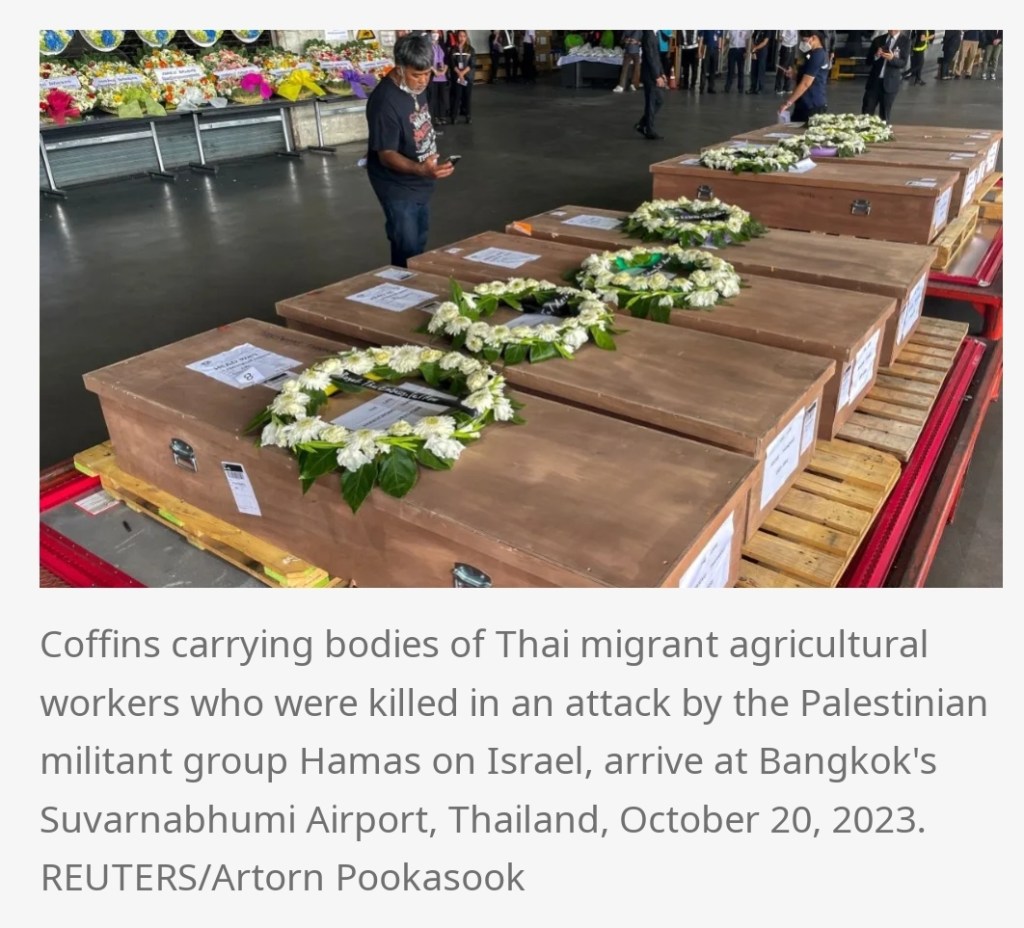
Fortunately, the Thai government did not take this lying down. Somehow, they managed to get Hamas to release their Thai hostages. I have no idea what they threatened or bribed them with. During the ceasefire, from November 24 to 30, nineteen Thai hostages were released. All of them were men, except for one: Nathavaree Mulkan.
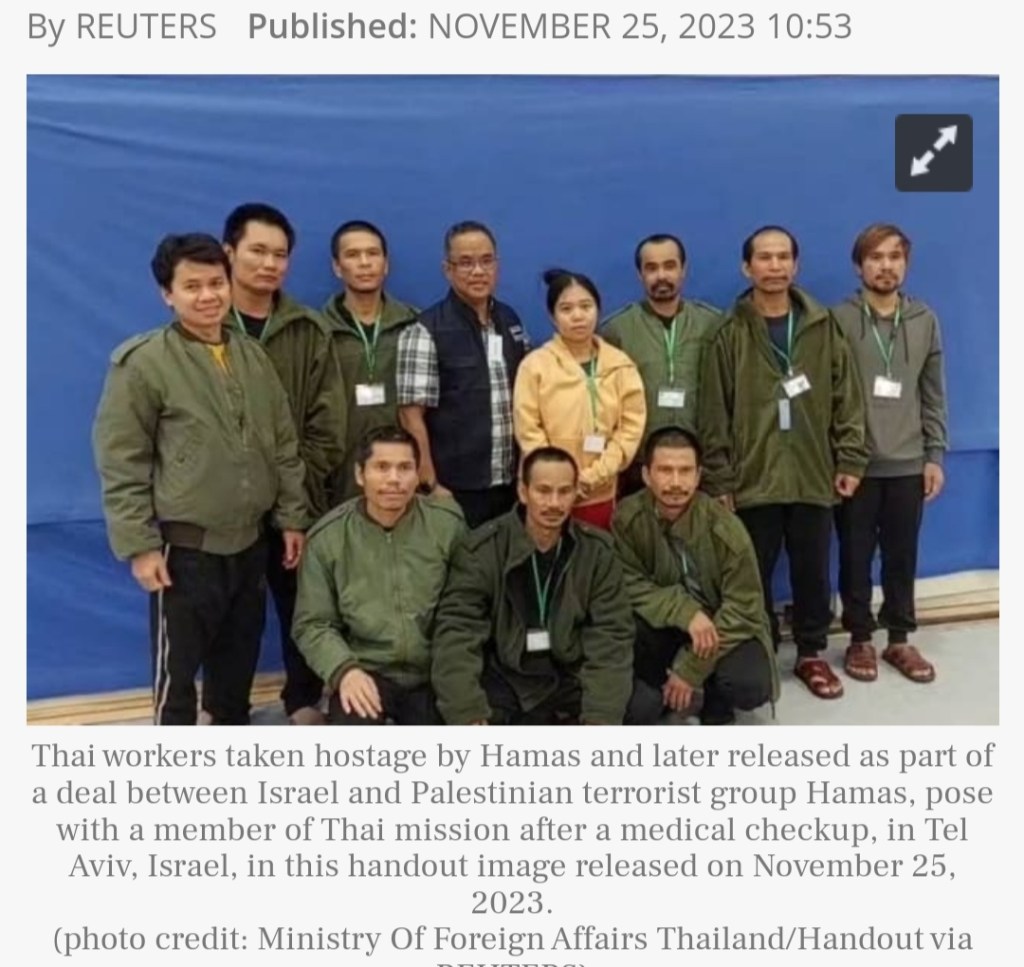
In this photo, Nathavaree Mulkan stands in the middle of all the men, in a yellow jacket. Her partner, Bunthom Phankong, is standing at the far right. They were the subjects of a strange story that circulated in the first weeks of the war, but which was eventually debunked. The story went that Mulkan was nine months pregnant when she was abducted, and that she had given birth in the dungeons of Hamas. Something worse people could hardly imagine, and outrage exploded. The story spread like wildfire over the internet. But it turned out not to be true. Mulkan was released with no baby and no sign of having given birth. We all collectively heaved a sigh of relief. I’m not sure how this story started, it is said that Sarah Netanyahu wrote a letter to Jill Biden, claiming that one of the hostages had given birth. God knows where she got that from. And yes, I will talk about Netanyahu in another post. We have been calling for his resignation for a very long time.

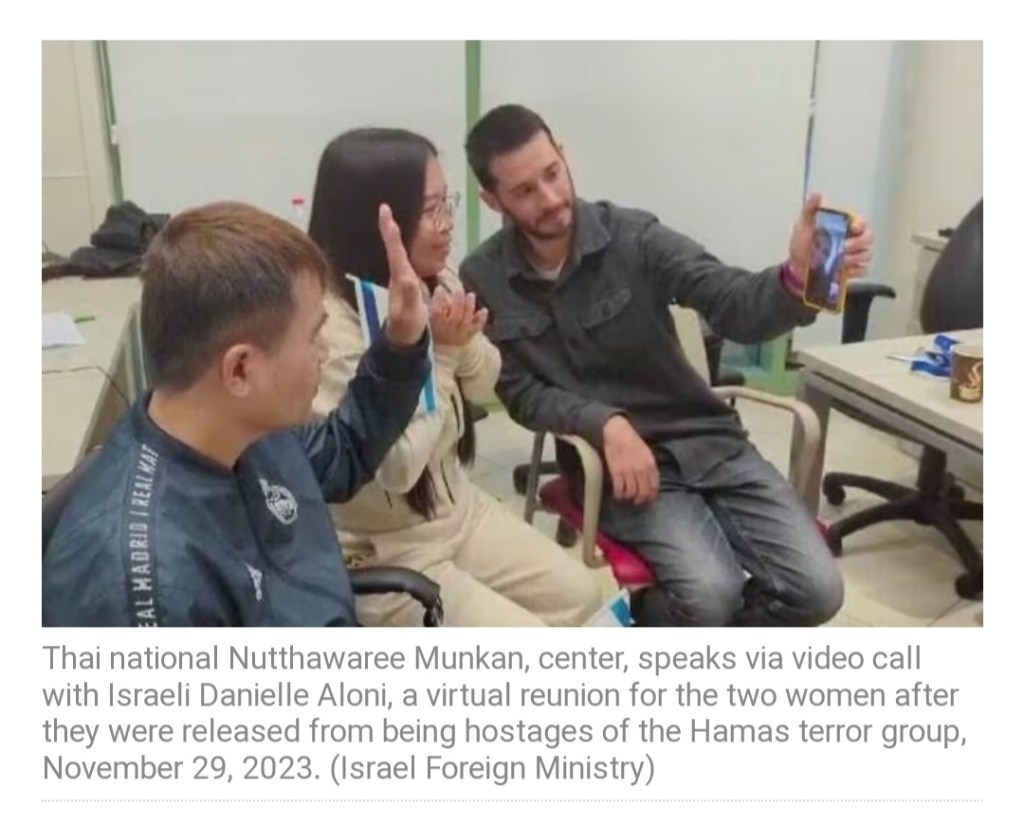
In a heartwarming twist, Nathavaree Mulkan made friends with an Israeli child and mother during their time in the tunnels of Gaza. Emilia (aged 5) and her mother Danielle Aloni became close to Mulkan and her partner. They taught each other words and songs in their languages and promised to visit each other. “We are family now,” Danielle said in a video call, after they were all released.
There is another story I want to tell. It’s the story of Wanchai Monsana, a Thai man who miraculously survived the massacre. Monsana is 44 years old, has been in Israel for four years and does not know any Hebrew or English. On October 7, he was burned severely but managed to escape the slaughter. He ran, and ran, wounded and exhausted, for two days, until he arrived in the city Beersheva and was taken to the Soroka hospital. He was immediately treated for his injuries. He had sustained burns to 50% of his body, was in septic shock and close to death. He was anaesthesized, intubated and underwent skin grafts and partial amputation of his right foot. It is unbelievable how he could have run so far so severely wounded. Incredibly, he survived. But no one could speak to him. They didn’t know who he was or who he used to work for. All the people he knew, his boss and his coworkers, had all been murdered. He was alone and had nothing.
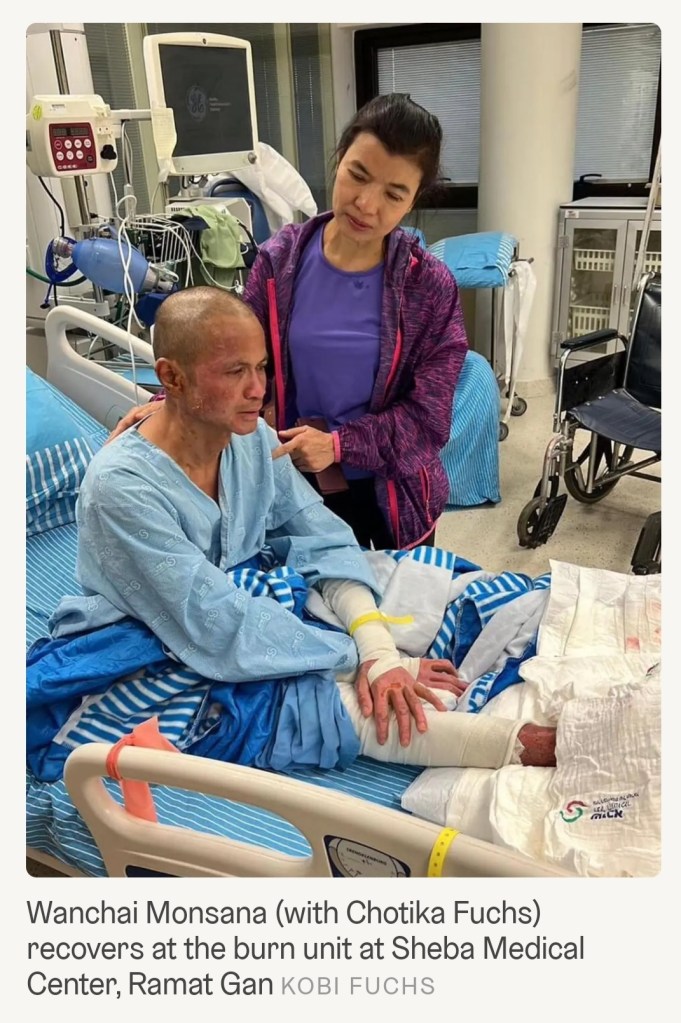
Until Chotika Fuchs, a Thai woman married to an Israeli man, heard about the nameless Thai man in the hospital of Beer Sheva. She went to visit him and spoke to him. She and her husband, Kobi, spread his incredible story and asked the Israeli public to help him. And they did. So many people came to visit him, bearing gifts and money, that the hospital had to restrict the visits so Monsana could rest. Both Israelis and Thais came to see him. They brought him a new phone, clothes and Thai food. Chotika and Kobi Fuchs have been visiting Monsana frequently and organized a fundraiser for him. His story has a happy ending – his insurance pays for all his hospital costs and the Israeli government will give him benefits and damage payments for the rest of his life. This is standard and is done for all survivors of terror attacks in Israel. Monsana will return home to Thailand and will be with his family. He won’t have to leave them again, just to make a living. But at what cost? He was severely damaged, both physically and mentally. I just hope his scars will heal over time and he can be happy again. He deserves it ten times over.

.

After the end of the ceasefire, 7 Thai nationals are still unaccounted for. We don’t know if they are hostages, if they have been murdered in captivity or if they were killed on October 7 and their bodies have not been identified. Every option is terrible. The families of all these young men are in pain and mourning. The released hostages are physically ok, but mentally deeply traumatized.
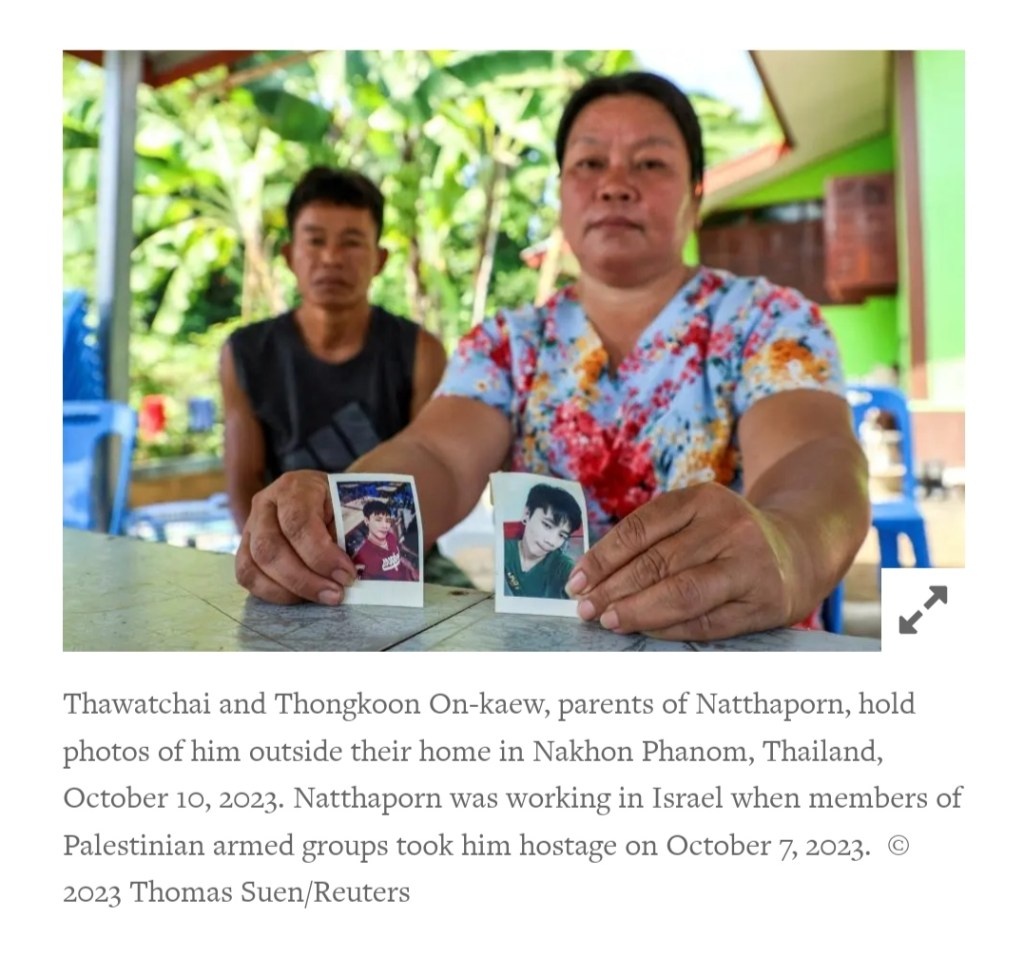
The Thai government has evacuated a lot of Thai workers from Israel. Some of them are planning to go back, but there is a gaping hole in the workforce of the agriculture of Israel, which is now being filled by Israeli volunteers. But this can’t go on forever, and already, workers from other countries are being recruited to come work in Israel. The only thing I can hope for them, and for all of us (and for Gaza, too), is that after this war, Hamas will no longer exist.

#bringthemhome
Kibbutzim

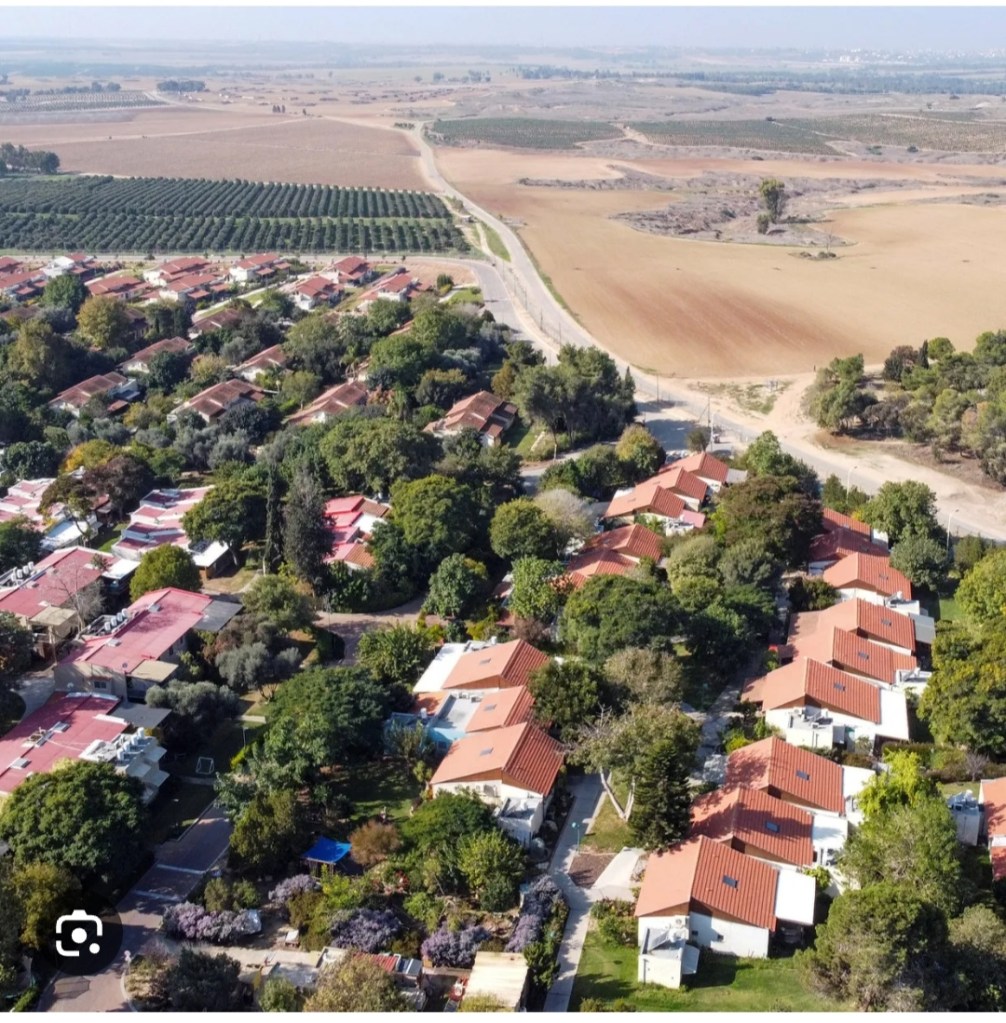
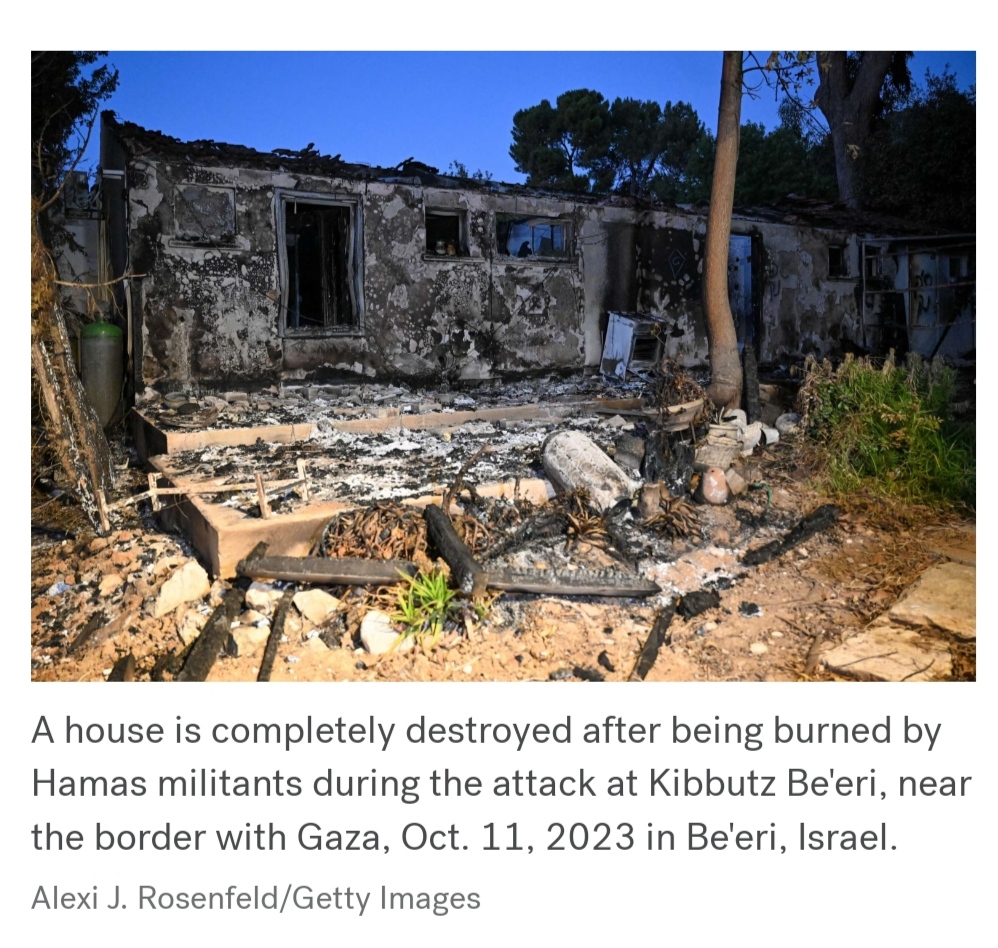
On October 7, 2023, several kibbutzim (plural of kibbutz) in the immediate surroundings of the Gaza strip were raided by Hamas terrorists. The kibbutzim Be’eri, Nir Oz, Nahal Oz, Kfar Aza, Alumim, Nir Yitzhak, Magen, Sufa and Re’im were invaded, massacred and burned. The singed ruins of the once lively communities now stand silent and deserted.

So what’s a kibbutz? That’s some sort of socialist commune, right? Some sort of Soviet experiment that Russian Jews brought to Israel. Excuse me, Russian Zionists. They must have stolen the land from poor Palestinians and brought their racist, communist ideology with them. Right?

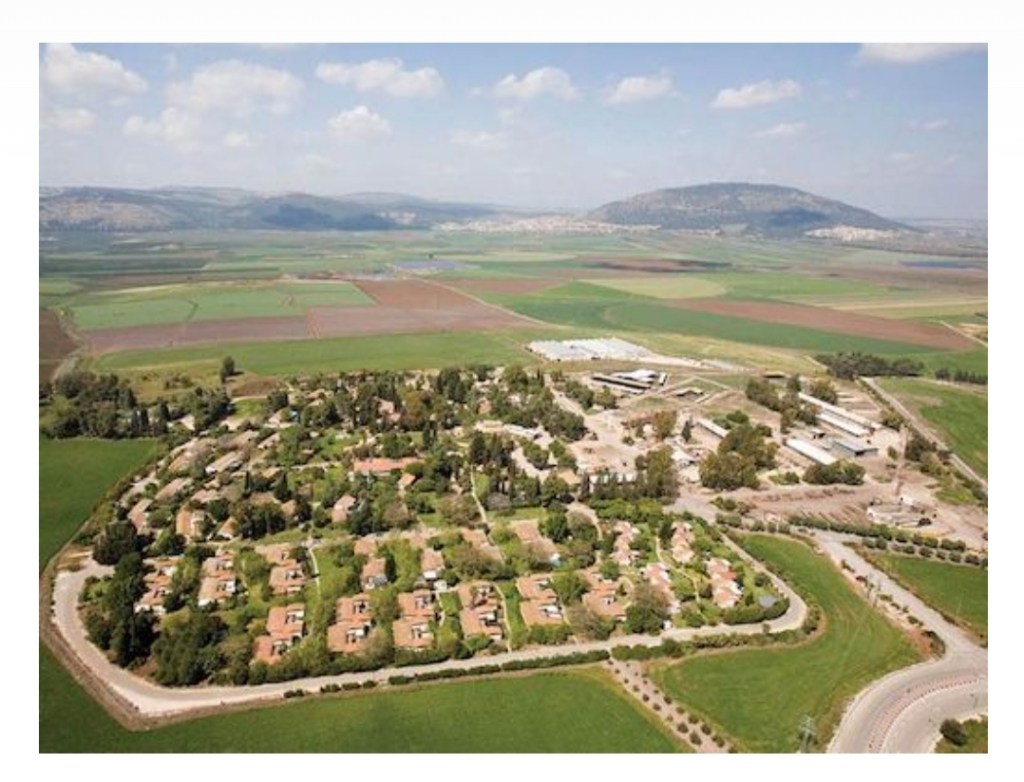
Wrong. On every account. Let me tell you what kibbutzim really are, and their history. What’s my authority for telling this story? I live in one. I have lived in a kibbutz for twenty years. I know how they work. I know the good and the bad, the beauty and the ugliness inside out.

A kibbutz is an agricultural community based on equality and sharing of resources. The word “kibbutz” literally means “gathering”. The first ever kibbutz was founded in 1910, long before the state of Israel existed, even before the British Mandate existed. The land now known as Israel/Palestine was part of the Ottoman Empire. Jews and Arabs both lived in the area. Since the late 19th century, a steady trickle of Russian and Eastern European Jewish immigrants had been coming into Palestine, fleeing from the frequent pogroms. (A pogrom is a violent attack on Jewish people, with the aim of killing them, seizing their possessions and expelling whoever is not dead.)

Palestine in that time was a harsh environment. Some parts were hot, dry and rocky, and other parts were swampy and full of malaria mosquitoes. Individual people didn’t manage to make a living from the land. The only way to survive was to stick together and to form collectives. Groups of Jews bought land together to establish farms. Bought it. They bought the land, they did not steal it. Yes, I know. Astonishing!

The first kibbutz was Degania (cornflower). It still exists, on the shore of the Sea of Galilee. More kibbutzim followed. People bought land collectively and shared everything equally: work, food, housing, money. This way of living and farming was successful because people worked together and shared labour and expenses, while equally sharing in the harvest and the profit (if any). These first immigrants were from Russia and Europe, so the kibbutzim that were founded in this early period consisted mainly of Ashkenazi Jews. The wave of immigration of Mizrahi Jews from the Arab countries came much later. They were also largely secular. Kibbutzim are still predominantly non-religious.

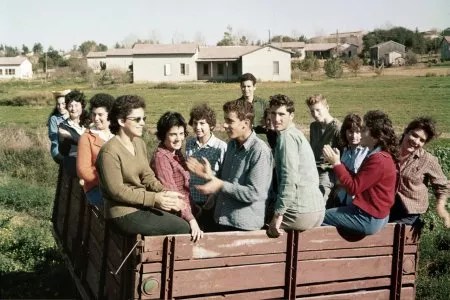
Over time, the kibbutz socialist ideology developed: everyone had to contribute equally and was rewarded equally. Meals were eaten together in the dining hall and holidays were celebrated collectively. Children lived separately from their parents in the “children’s house”. Both parents went out to work the land, while other kibbutz members looked after the children. Kibbutz leaders were elected democratically and every decision was made by voting. Everything was owned collectively and each member got the same salary, no matter what job they did.

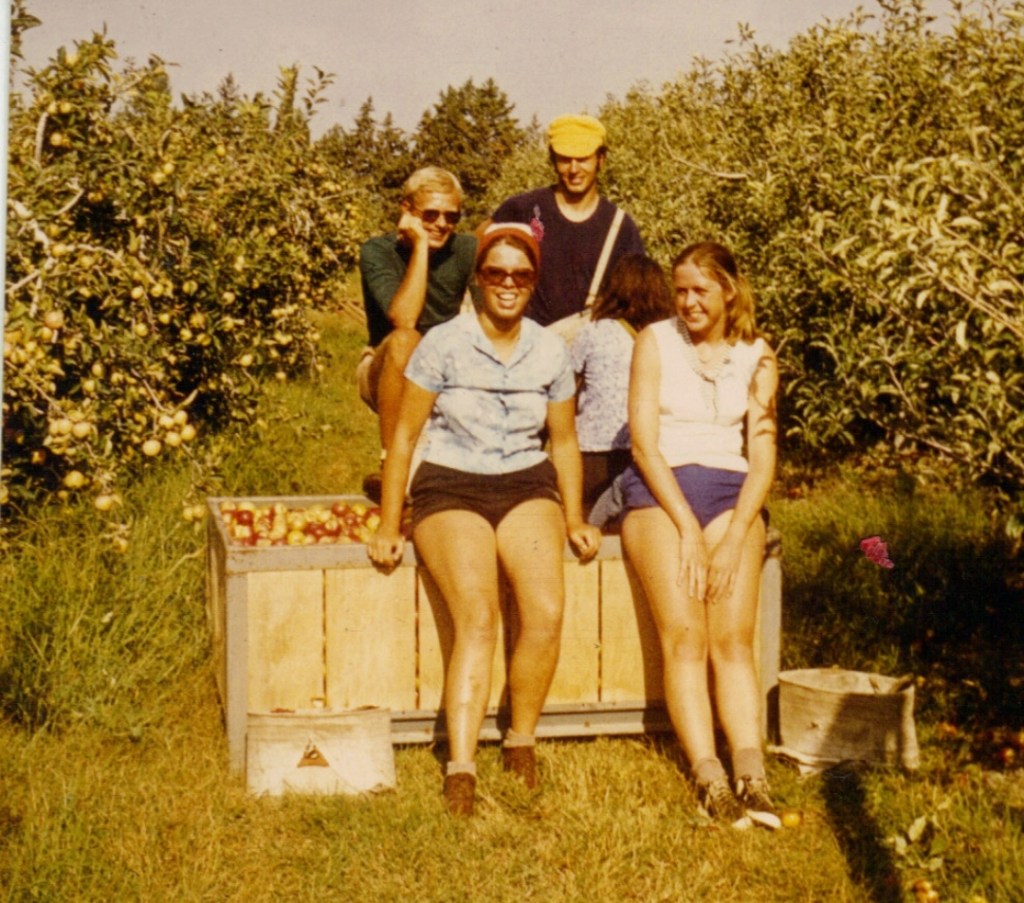
In the 1960’s and 70’s, this communal style of living appealed to the flower-power generation in Europe and the USA. It became popular for Jewish and non-Jewish young people from all over the world to travel to Israel and volunteer on a kibbutz for some time, sharing in the work and the unique way of life of the kibbutzniks (kibbutz members). In fact, a number of famous people were at some point in their life kibbutz volunteers, like Jerry Seinfeld, Bob Dylan, Sigourny Weaver, Simon le Bon, Bernie Sanders and Boris Johnson.

This is how I ended up there. I’m one of the last foreign volunteers to come to Israel. I went for a kibbutz experience in 1999, all wide-eyed and eager and interested. It was honestly one of the best times of my life. Working in the fields, making friends with kibbutzniks and other volunteers from all over the world, travelling and experiencing new things every day.

Then, in 2000, the Second Intifada started. This was a wave of violence directed at Israelis from Palestinians, in the form of suicide bombings, shootings and stabbings. A total of 773 Israeli civilians were killed in this way over the course of 5 years. Israel became a no-go area for foreigners. The stream of volunteers from Europe and the USA, Japan and Korea dried up. Israeli kibbutzim began to rely heavily on Thai foreign workers in agriculture. No young, idealistic people wanted to come for a volunteer kibbutz experience anymore.

Except me. I never left. I had fallen in love with a kibbutznik and married him. We lived, worked and raised our children in that same kibbutz. My husband was born and raised here, and so was his father. My father-in-law was born in 1945 in Israel, to refugees from the Holocaust in Poland. His childhood was far from easy, I would even say traumatic. At that time, children were separated from their parents at 6 weeks old. They went to live in the “children’s house”, where they were taken care of by nannies, so their parents could go and work on the land. They had no choice. Their life was hard work, poverty and war, and they did what they had to, to survive. My father-in-law saw his parents a total of two hours a day. He remembers being jealous of the dog, because the dog could stay and sleep at home, while he had to go back to the children’s house.

The separation of families was one of the hardest things to hear about and one of the dark sides of kibbutzim. Many children grew up disconnected and insecurely attached. Fortunately, this changed in the early seventies. My husband and his siblings lived with their parents, although they spent a lot of their time in daycare, at school and in after-school groups. This was the kibbutz mindset: everyone worked hard, men and women, and children were cared for collectively. My husband remembers his childhood as a great time, always in a gang of friends, playing sports, going on adventures, celebrating holidays.

When I came to the kibbutz, life was still very much communal. People ate in the dining hall, put their laundry in to be washed in the shared laundrette, drove cars that belonged to the kibbutz (you had to put in a request if you wanted a car to go somewhere), and even shared the traditional blue work clothing. Everyone got the same salary, from the dishwashers to the factory manager.

But that way of life was starting to fall apart at the seams. The flipside of sharing everything is losing freedom and individuality. Young kibbutzniks were not happy with the restrictions put on them. They had to work in the kibbutz, they couldn’t own a car or travel abroad when they wanted to. There were so many things they had to do: go to school, work, do kibbutz chores (kitchen duty etc), serve in the army… They longed to break free. They saw their friends from towns make their own money, buy their own cars, own their own houses. They wanted to study, work in hightech, travel the world and be successful. Not break their backs in the cow shed or on the cotton fields, like their parents had done.

So in the end, capitalism won out. Most kibbutzim started the privatization process and became more like regular villages or neighbourhoods. But figuring out who owns what and who deserves what is no easy task. Our kibbutz’s dining hall is closed. The laundrette is now a corner shop. The childrens’ house has been converted to rented appartments. Most people work outside the kibbutz and own their own house. But the process was extremely slow and difficult and came with a lot of arguments, fallings out, people quitting or getting fired, outside interference, anger and frustration.

And that’s the other thing. See, people get fed up with each other when they have to see each other day in, day out. You can’t escape each other. Our kibbutz is very small and everyone knows each other. Not only that, but everyone knows everything about each other. The good, the bad and the ugly. It’s kind of like a never ending family party, where you cannot escape the creepy uncles, the bitchy cousins, the complaining old aunts. Nothing is a secret. And nobody is perfect. Everyone has things they prefer not to let the whole family know. Well, too bad. Gossip is currency. Also, no matter how much you like someone, after meeting them on the kibbutz paths five times in the same day, you duck behind a fence so you don’t have to say: “Ah haha, we meet again, next time coffee!” Again. For the millionth time.

But in the end, I love my kibbutz. And no matter how often I argue with my neighbours or grit my teeth over people driving their cars on my grass, I love my kibbutz family. Some of them have died in terror attacks or in wars. Some of them are fighting in Gaza as I am writing this. After October 7, this tsunami of grief and fear has bound us together like never before.

Here’s to kibbutz Be’eri, to Kfar Aza and Nir Oz. Here’s to all those kibbutzim that were overrun, massacred and burned. Hamas will not win. Kibbutzniks are some of the toughest people alive. They will come back and live there again, work the land and honour their dead. As they have always done, since the beginning.