So, what’s the story with Black African Jews? Aren’t all Jews white Europeans? No, absolutely not. Apart from the Mizrahi Jews (Jews from the Middle East, Asia and North Africa), there are West-African Jews, too. The story of the “Beta Israel” (Ethiopian Jews) is incredible. Listen to this!
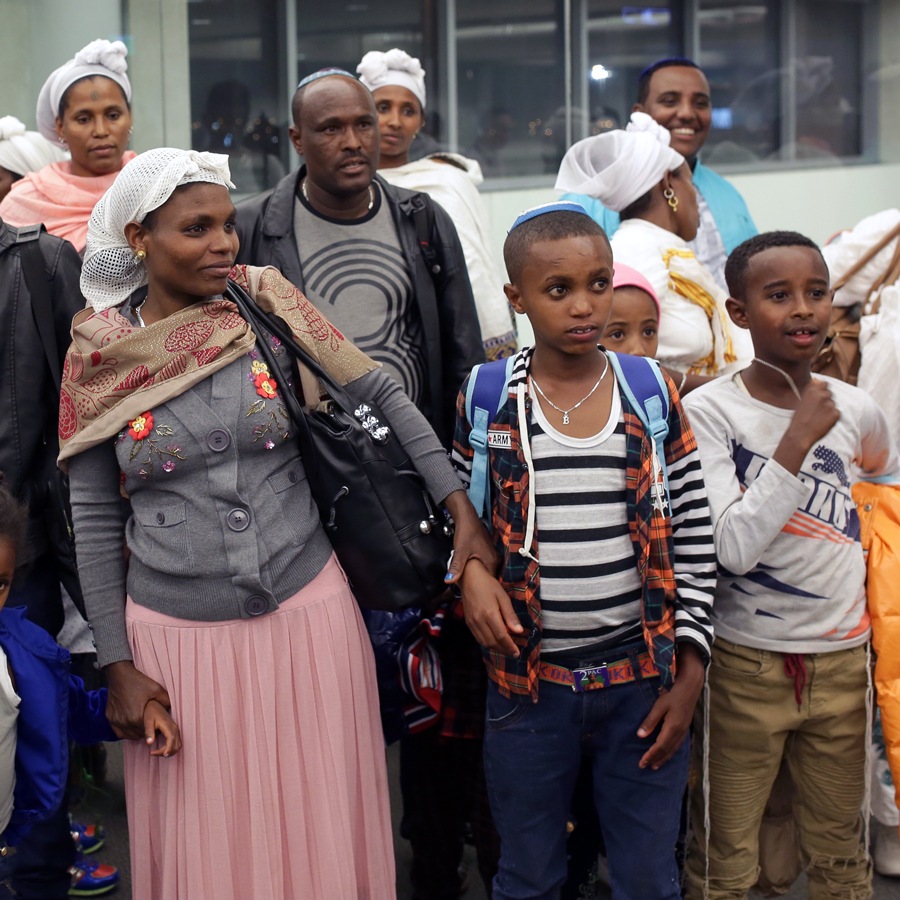
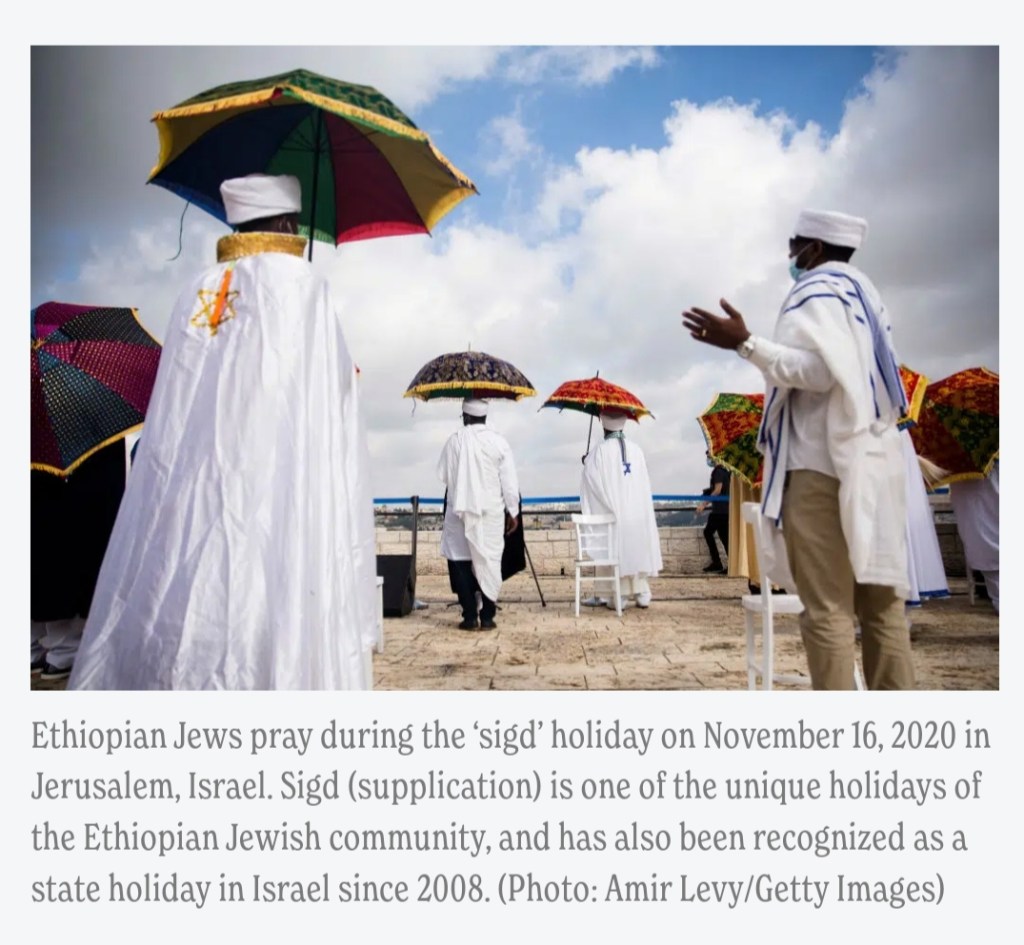
The Beta Israel are the descendants of Jews who migrated to West Africa during the Babylonian Exile. They were isolated from other Jewish communities for more than a thousand years. The Western world did not know the Beta Israel existed, and they themselves didn’t realize there were other Jews in the world – they thought they were the only ones who had survived the exile. For centuries, they lived in more than 500 small villages in Northern Ethiopia, where they held on to their faith and their identity against all odds and under religious persecution. In the 19th and 20th centuries, many of them were forced to convert to Christianity. Those people are now known as the Falash Mura.
In the 1970’s, the Beta Israel finally made contact with the Jewish community in Israel. When the Ethiopian Civil war broke out in the 1980’s, Ethiopian Jews, driven to despair by war, famine and persecution, fled to Sudan, where they stayed in refugee camps. Their dream was to immigrate to Israel and finally be safe. And they made it happen.
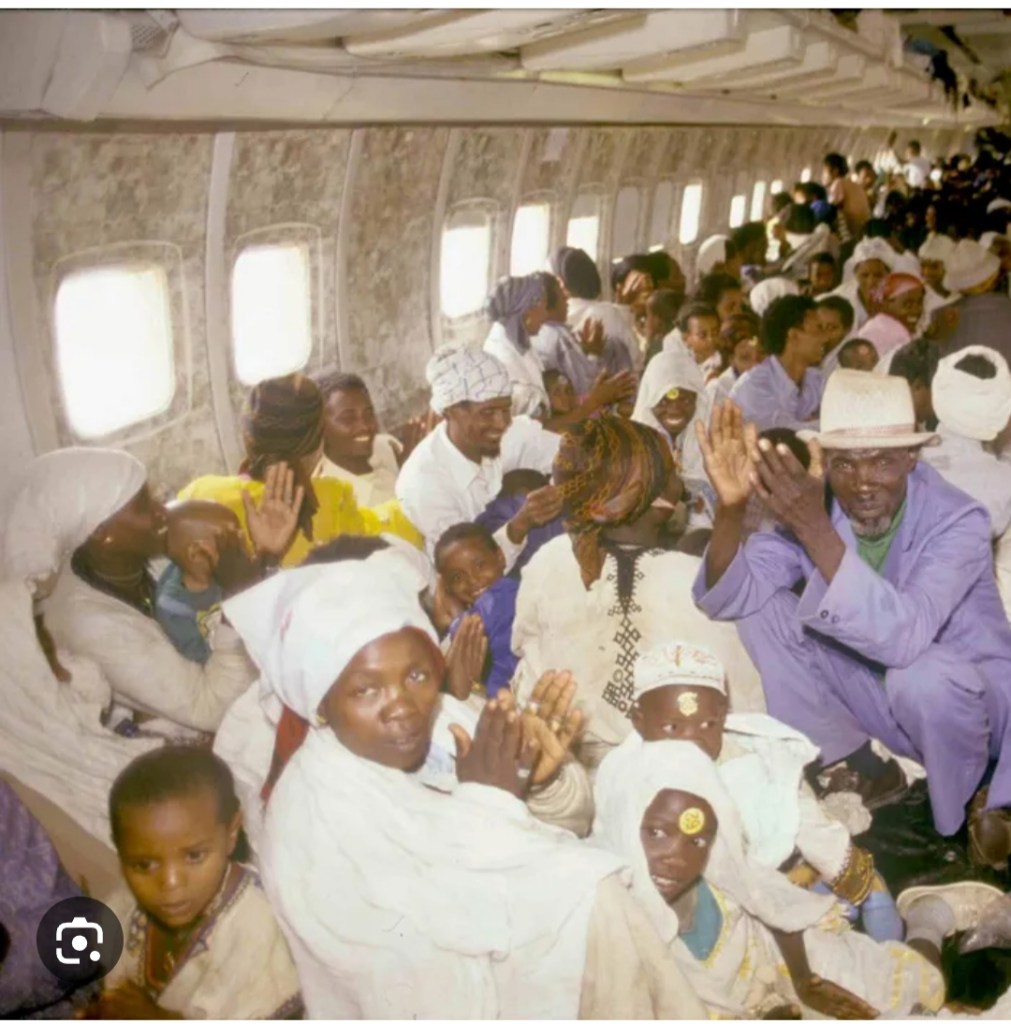
Working together with the Beta Israel, the Israeli government managed to arrange a series of incredible rescue missions with names like Operation Moses and Operation Solomon. 45,000 Ethiopian Jews were flown to Israel in airplanes with the seats removed to fit more people. There aren’t many moments in Israeli history that make me feel proud and tearful, but this is one of them.
.
.
But not all Ethiopian Jews made it to the flights. As many as 4000 people perished during the journey to Sudan and in the refugee camps. They walked through the desert on foot, a journey that could take up to a month. And the Sudanese were not exactly friendly and welcoming. The Jews faced hostility and violence as well as hunger and exhaustion. The rescue operations were incredibly complicated, involving undercover agents in Sudan and depending on absolute secrecy. Arab countries did not agree with helping Jews and Sudan did not want it known that they were allowing this. Many people had to wait in the camps for years and died from illness and violence. The road from Ethiopia to Sudan was a trail of tears. What the Beta Israel went through to finally get to Israel is unimaginable.
So, is the life of Ethiopian Jews better in Israel? According to the Ethiopian people I know, yes, definitely. They now live in an economically wealthy country, where they do not have to suffer hunger and persecution. They can exercise their faith freely, they have access to education, healthcare and benefits. But there are dark sides to this story, as to every story.
The cultural gap between the Beta Israel and other Israelis was huge. Ethiopian Jews spoke Amharic, a language no other Israeli understood. Their African customs were very different from those of the rest of Israel. They ended up marginalized, in poor neighbourhoods, with a high unemployment rate and little interaction with other Israelis.
At this time, around 160,000 Jews of Ethiopian origin live in Israel. The second generation, the children of the immigrants, are changing things around. Education and employment rates are much higher. They serve in the army, they speak Hebrew as their native language (in addition to Amharic), and they are proud of being Israeli, as well as Ethiopian.
.
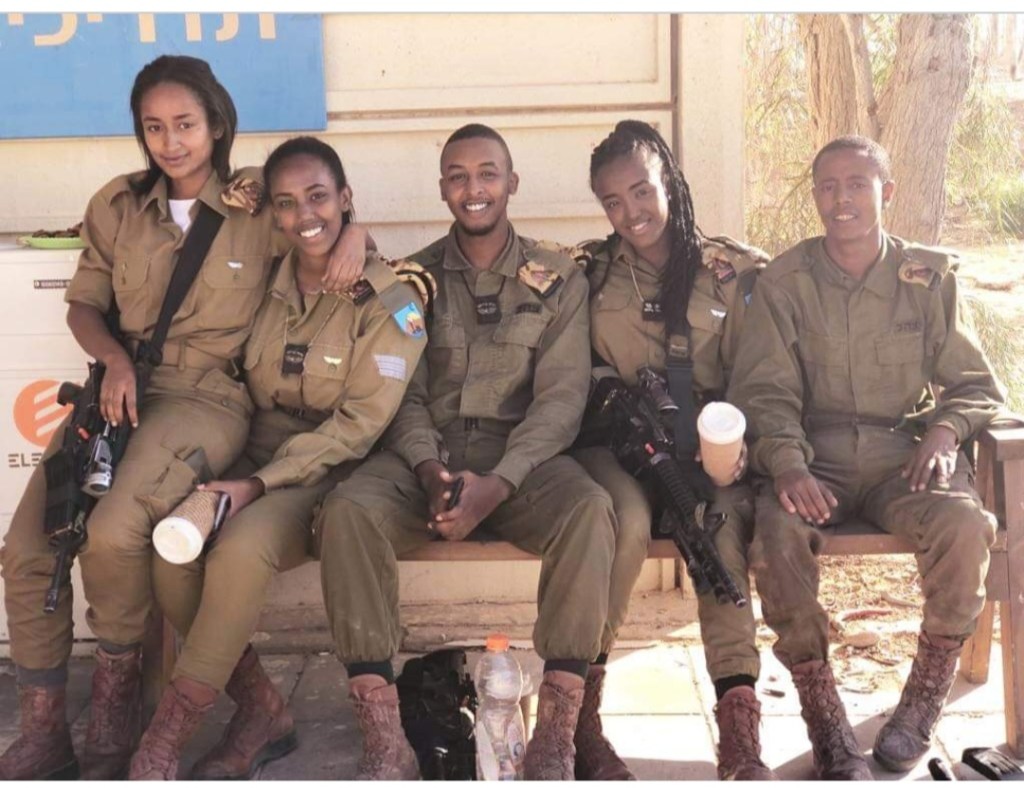
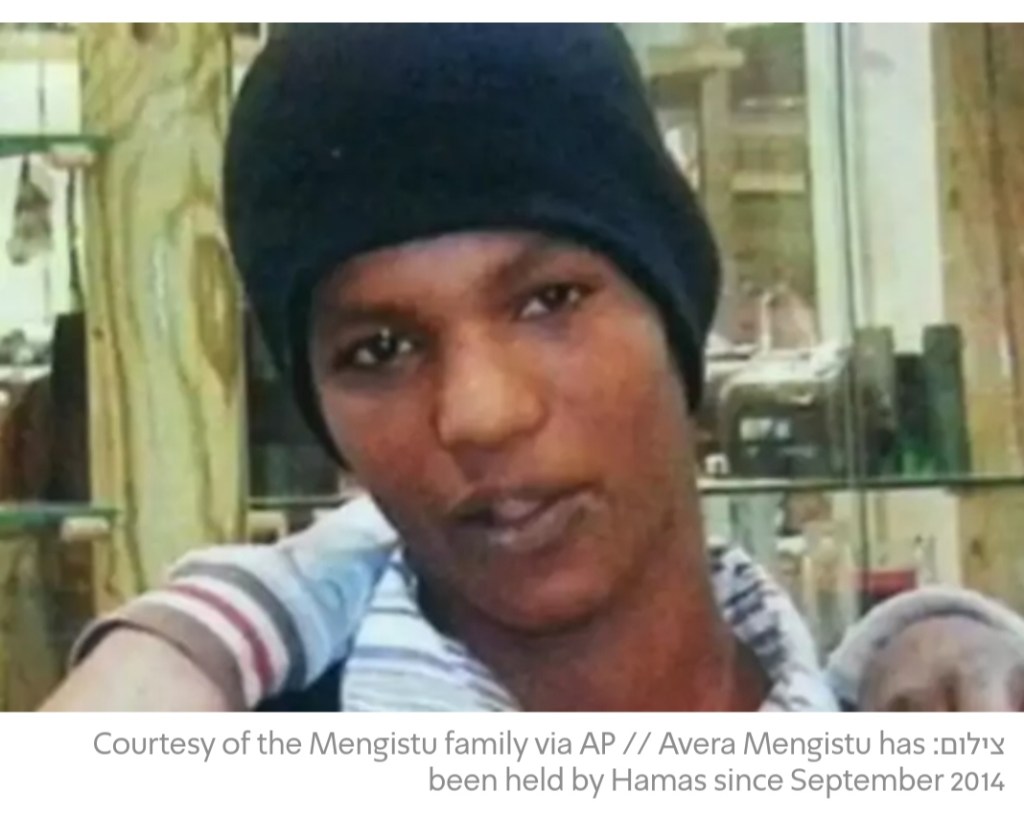
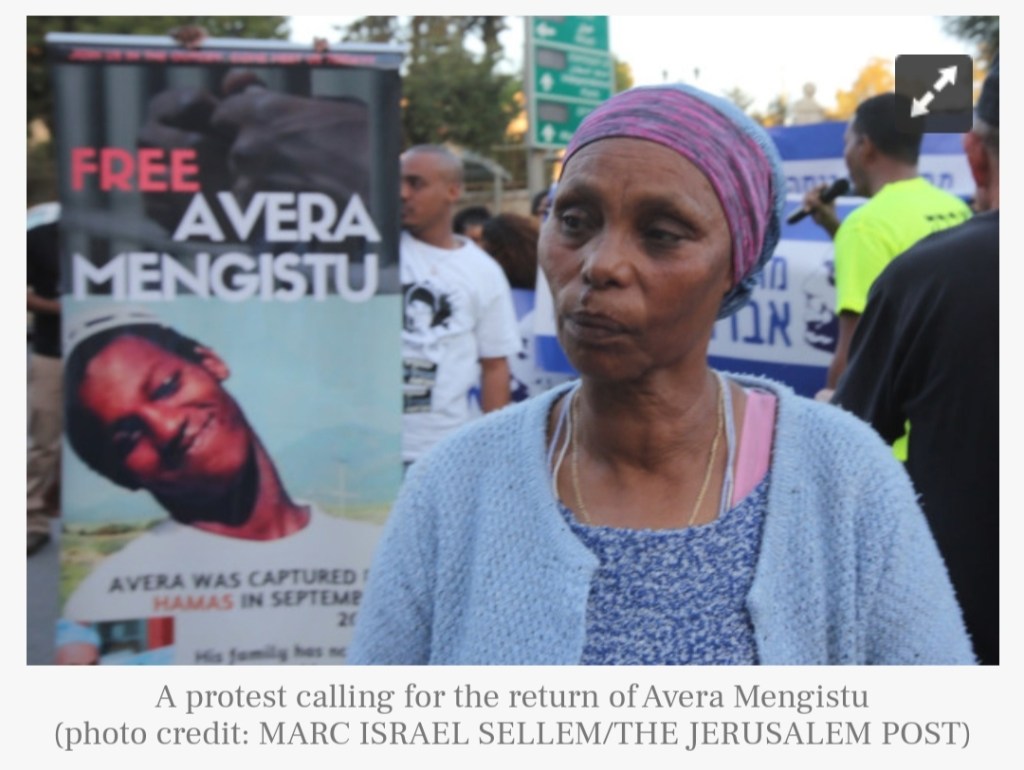
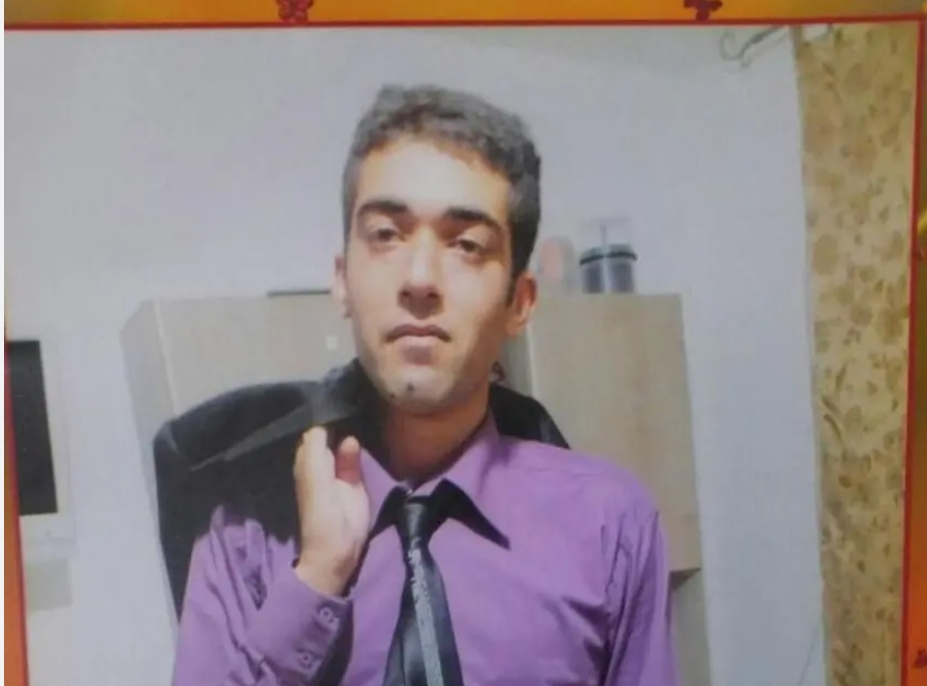
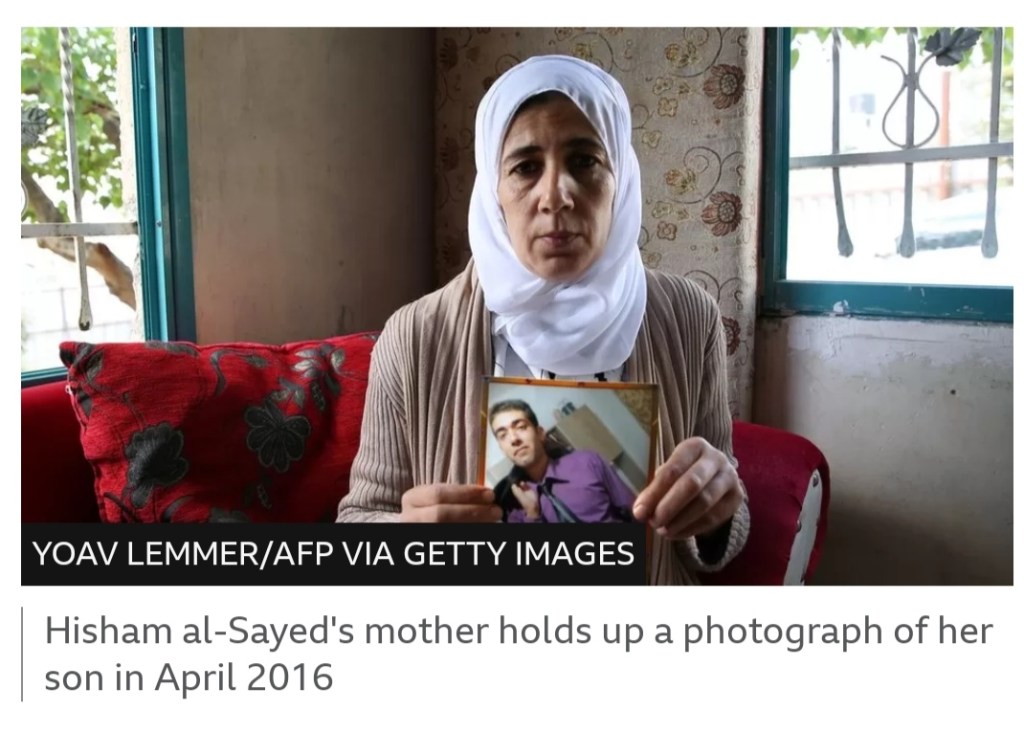
But of course, things are not perfect. Far from it, in fact. The Ethiopian community in Israel faces discrimination and mistrust. Police brutality against Black people has been happening here, too. Missing and murdered Ethiopian Israelis get far less public attention than non-Black Israelis. We still have a long way to go to address these injustices.
But Ethiopian Jews are an incredible strong and resilient people. They held on to their identity through thousands of years of isolation and persecution. They face their challenges in Israel and they fight for change. They assimilate, but without losing their unique culture. They carve their own path. Personally, I am in awe of them.

The gorgeous and talented Eden Alene, who represented Israel in the Eurovision song festival in 2021.


 Stories of Israel