The freeing of Luis Har and Fernando Marman

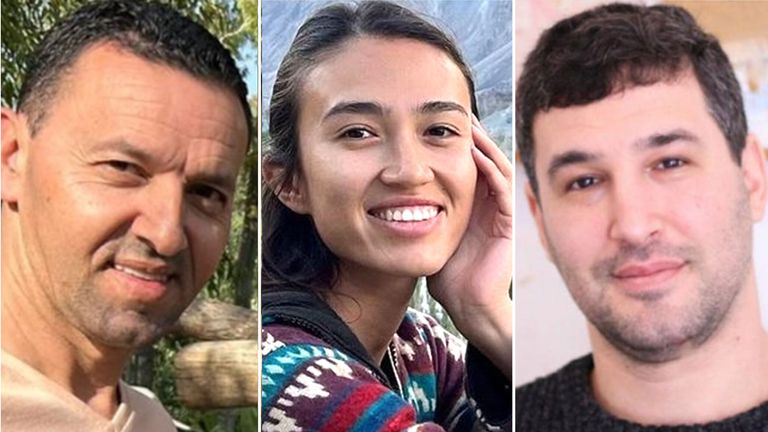
This is a very, very happy update for a change. We have had only bad news for so long. This was so very uplifting for all of us, but of course mostly for these two hostages and their families: Luis Har and Fernando Marman.

Luis Har (70) and Fernando Marman (60) were taken hostage on October 7 from kibbutz Nir Yitzhak. Luis’ partner Clara Marman, who is also Fernando’s sister, was taken hostage too, along with her sister Gabriella Leimberg and and Gabriella’s daughter Mia (17).

Luis Har is 70 years old and lives in kibbutz Nir Yitzhak. He is a father of four and a grandfather of ten. His family immigrated to Israel from Argentina in 1971. He worked as an accountant all his life and loves music and theater.

Fernando Marman immigrated from Argentina with his two sisters, Clara and Gabriella. He lives in Kfar Saba and works in a furniture store. He enjoys fixing and building things and often helped his family and friends as a handyman. He is not married and has no children, but is very much loved by his sisters and their children.

Clara Marman is Fernando’s sister and Luis’ partner. She lives with Luis in Nir Yitzhak. She has three daughters and worked as a kindergarten teacher for 30 years.

Gabriella Leimberg is married and has one child: seventeen year old Mia. She lives in Jerusalem with her husband and daughter and works with autistic adults.

Mia Leimberg is still at school. Her friends describe her as fun, energetic and caring. She is a very good singer and loves her little Shi-Tzu dog, Bella.

The family had gathered in Nir Yitzhak, where Luis and Clara lived, to celebrate Sukkot. While the attack was happening, they hid in their safe room and tried to barricade the door. They were terrified and convinced they were all going to be murdered. Luis texted his children to let them know what was going on. His last text was at 11:04 and said: “They’re in the house. We hear the noises. Let’s pray it’s over. Kisses.”

The terrorists found them, but they were not killed. They were taken hostage instead and held captive in Gaza for months.

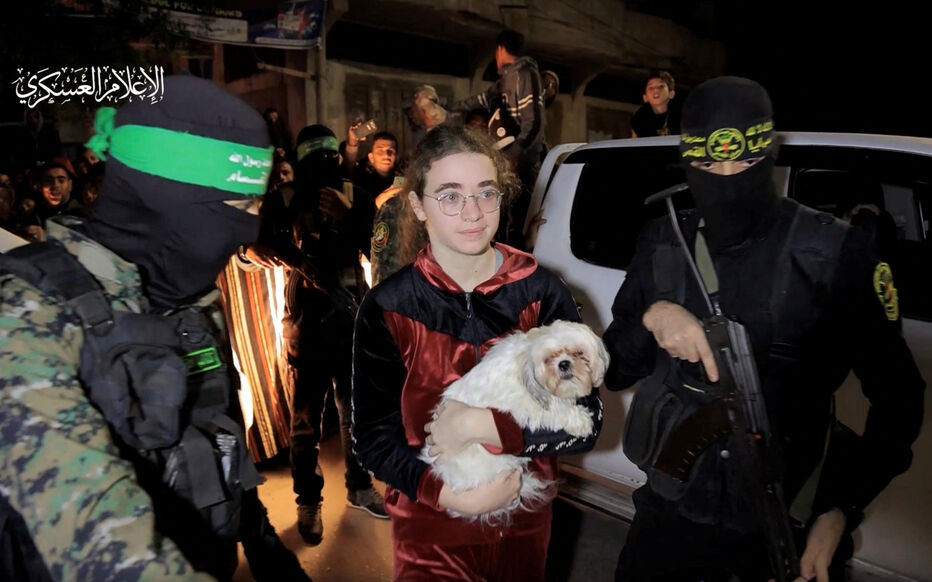
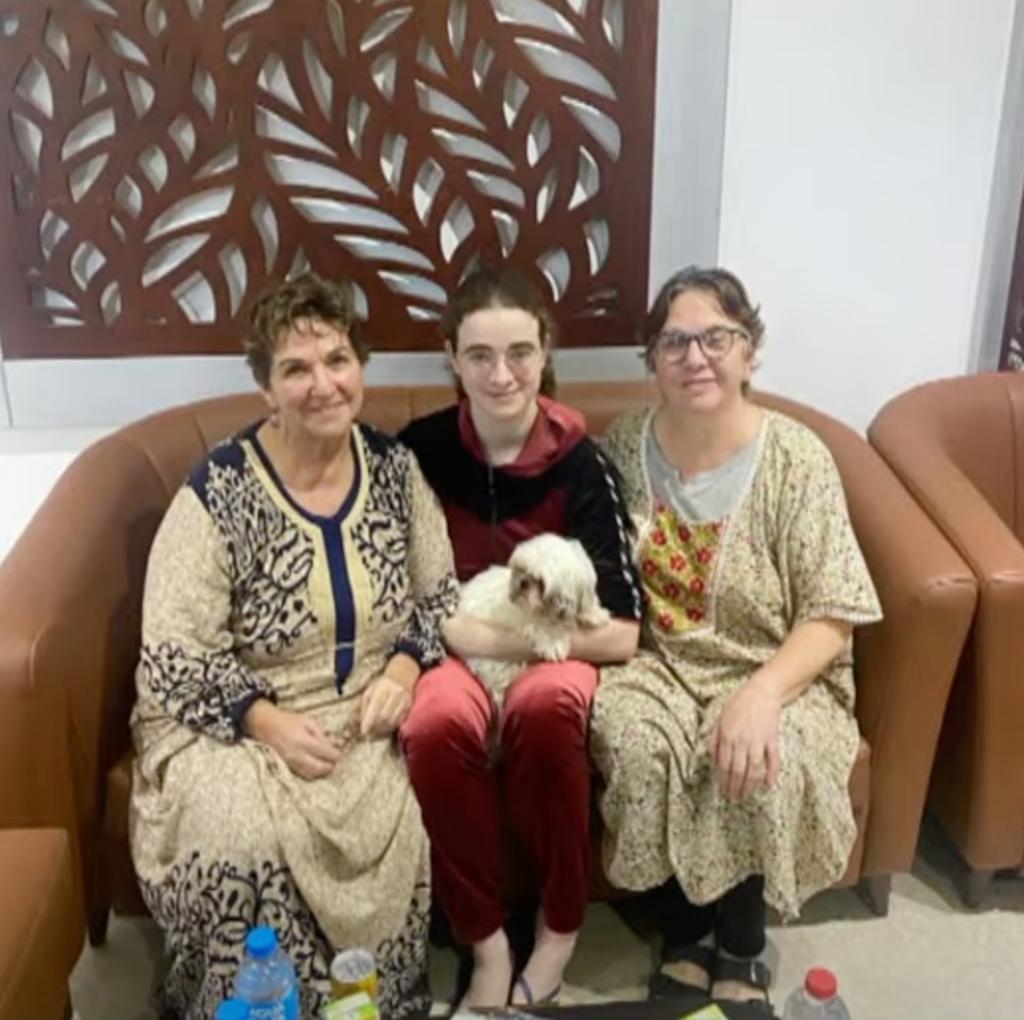
In late November, a ceasefire was negotiated, in which a number of children and women were released in exchange for Palestinian prisoners. Clara, Gabriella and Mia were all released in this ceasefire. Incredibly, it turned out that Mia had held on to her little dog Bella the entire time. She says that she hid Bella from their captors and fed her scraps, and that the dog was a huge comfort and emotional support for her. Mia’s family in Israel knew how much Mia loved the dog and had tried to find her, but they couldn’t. They assumed Bella had run away in terror, got lost and was maybe adopted by another family.

Both Mia and Bella are doing well and have become Israeli heroes. After so many beloved family pets being shot or losing their families on October 7, this touched us to the heart. I still cry when I see this picture:

.
.

While the three women were freed, the two men stayed behind in captivity. On Ynet, an Israeli newssite, Clara described how they said goodbye to Fernando and Luis:

” ‘See you soon,’ we said. At that point, it wasn’t dramatic externally, but it was incredibly tough for us. Louis is a father of four and a grandfather to ten grandchildren. I asked him what message to convey to the family, and he said, ‘Wait for me in the green gardens, tell them I love them very much, and soon we’ll see each other and embrace.’ And then we hugged and parted ways.”

“I was supposed to be very happy after the liberation from the Gaza Strip, but a part of me remained there – both my partner and my brother. It’s weighing heavily on me, and I don’t exactly feel like I came back – in my head I’m still there. Physically I’m here, but the feeling is that a big part of me remains there. Right now, I’m making every effort to enter the fight and fight as much as possible so that they come back.”

.
.

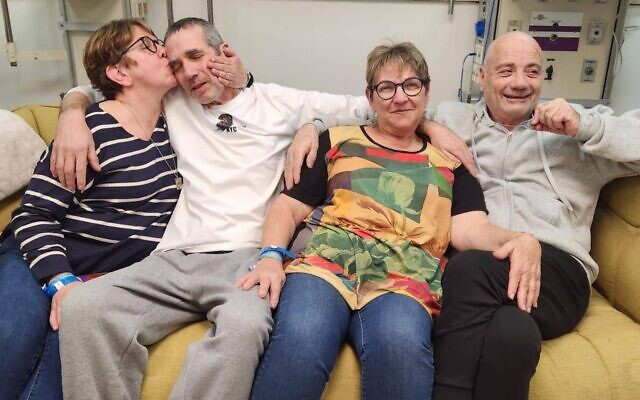
Luis and Fernando would remain in captivity for 129 days. On the night of February 12, 2024, both men were finally freed by the Israeli army in an operation called Golden Hand. They were being kept in a civilian apartment building in Rafah and guarded by armed terrorists. The terrorists did not surrender but engaged in the fight and were killed by the IDF (excuse me if I have no sad feelings about this whatsoever). Luis and Fernando were evacuated in a helicopter and no IDF soldiers were hurt.

This is incredible and the best news we could ever hear. It is so encouraging. It tells us that all the hostages are probably in Rafah and as long as Hamas refuses to give them back, we will continue to fight until we have freed all of them.

The Argentinian president, Javier Milei, has visited Israel and expressed his joy and gratitude at seeing the two Argentinian hostages freed.

Luis and Fernando told the press they stayed in a civilian home in Gaza and were tasked with cooking and cleaning the house. They were afraid to say they were Jewish, but told the residents of the house that they were from Argentina. The residents tried to make conversation with them about soccer, which was probably quite surreal. Both Luis and Fernando are in good health, although both lost a good deal of weight and body condition.

The video and pictures of their reunion with their family are heartwarming. We are so, so happy they are back. We love you, Luis and Fernando! 🧡

.
There is something else I want to say. I write my blog posts and make videos only because I want to honour the murdered and the hostages and to tell their stories. The true crime community on YouTube is completely ignoring us. I think what happened to us was a crime of epic proportions and I want the world to know the names of the victims of Hamas. Of course, I am prepared for backlash and for negative comments, that is only to be expected. But I want to address something in particular that was said to me recently.

I was called a “sick person” for expressing sorrow for the Israeli murdered and captured, but not for the Palestinian war victims. I want to make it clear here that I do not deny the suffering of the Palestinian people in any way. Their stories are just not mine to tell.

I don’t think identifying with your own community, feeling their pain and grieving for them is “sick”. We were attacked in a horrific and barbaric way and it is very difficult mentally to come to terms with the horror, the fear and the pain. Writing and making these videos helps me to process what happened to us.

That does not mean I think all Palestinians are evil and I don’t care about their suffering. I have to say I am kind of disillusioned about the possibility of peace with people who seem to hate us so much they rejoice in our pain. But I do not wish death and destruction on them. I can’t control what our government and the army does. I am a bystander.

So, it is my own community that I identify with and grieve for. I think that is only natural. I don’t expect any Palestinian to feel the same sorrow for us as they do for themselves. I cannot make Hamas give back the hostages, so we can stop this war and pick up the pieces. If I could, I would. I wish from the bottom of my heart for all of this to stop – to never have started in the first place. But Hamas decided otherwise. They are an extremely dangerous death cult, who use their own people as a human shield. Calling me sick and an evil Zionist and god knows what other names people have called me, will not resolve anything. There is only one way to stop this war: Stop Hamas.

Update 16/1/24

This is an update on the situation of Noa Argamani and Yossi Sharabi.

On January 14, Hamas released a video showing Noa, Yossi and another hostage, Itay Svirsky.

.

.

They read off a script obviously written by Hamas, telling Israel to stop the war and to save them. The same thing was said in earlier videos of other hostages. The message is always the same: stop the war, or we will kill your hostages. But never: if you stop the war, we will release the hostages and negotiate. Because that is not what their goal is.

To understand this, you must realize the fundamental reason of Hamas’ existence is jihad: a holy war against everything that isn’t radical Islam, and especially Jews. This principle trumps everything, even the lives of the Gazan people, peace and a chance for their own state. This kind of thinking is so alien to us in the West that we cannot believe this is really their mindset. I couldn’t believe it for twenty years living in Israel. Until October 7.

At the end of this video, Hamas showed this:

.

.

This is psychological warfare of the highest degree. The entire country is in mental and emotional anguish. It is very, very hard to deal with this kind of cruelty. It is a game that they play, to inflict the worst pain on us. They know we care desperately about these people. They also know that we cannot do this sort of things back to them – it goes against every principle of humanity. Also, they would laugh at us. They don’t care! They care about exterminating Jews and establising the Islamic State. At any cost. Even if every single Palestinian has to die for it.

How do you negotiate with people like that? You can’t. It’s impossible. The only thing they want is our death. That is why we have to conquer Hamas. If we fail, we will not only sign our own death warrant, but Europe’s, too.
Yesterday, 15/1/24, Hamas released another video. This time, it was only of Noa, who told us that Yossi and Itay were dead. According to the script she read, they were killed in an Israeli airstrike. We don’t know if this is true or if they were simply murdered by Hamas. At the end of the video, they showed two bloody and broken bodies. It was impossible to tell who they were. I haven’t watched it. But this is what I heard.
For all of their families, the excruciating pain goes on. They don’t know anything for sure. All they have is questions, which won’t be answered. Noa is alive, for now. I think that the civilians who captured her, sold her to Hamas. And they know that Noa one of the most famous hostages and that she is precious to us. They can use her as leverage. Although what they want from us is impossible.They want for Israel to cease existing and for every Jew to die. We obviously cannot let that happen.
The only thing we can hope is that the IDF will conquer Hamas, find the hostages and bring them home. Soon. Then, we can talk with the Gazans and see how to move on from here. But not before.

#bringthemhome

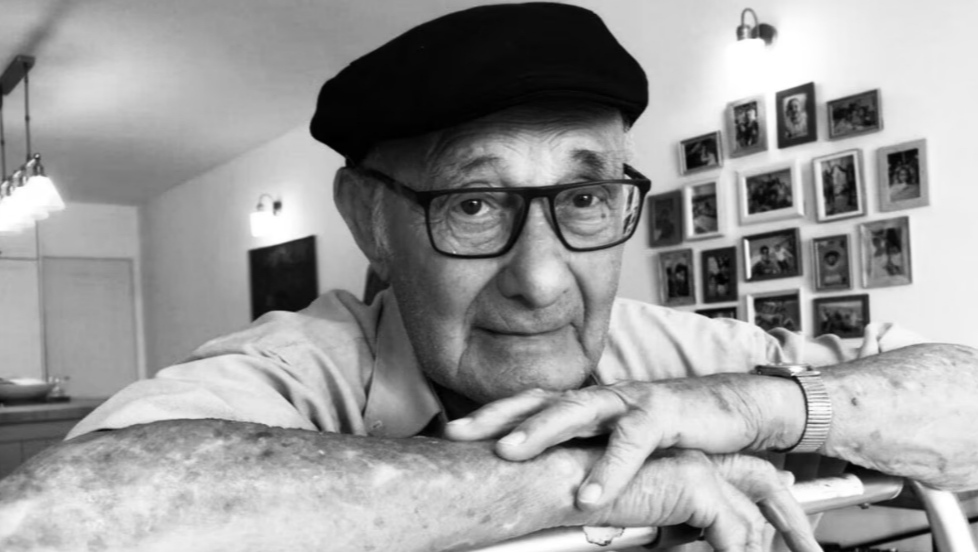
Moshe Ridler, Holocaust survivor

There used to be a house in our kibbutz where someone played to piano so beautifully that everyone passing the house stood still to listen. I remember going for walks with my first baby, when he cried and wouldn’t sleep, and standing by that house, bouncing the baby in his carrier, listening to the piano music.

The man who played the piano was called Menachem. He was a holocaust survivor. The story went that, as a child, he spend a year hiding and living in a closet before being smuggled out to Israel. Alone. He was one of the orphans Lena Kuchler-Silberman took under her wing. Several of these children settled in my kibbutz. Some of them are still here today. Menachem passed away years ago and fortunately, did not have to know what happened on October 7.

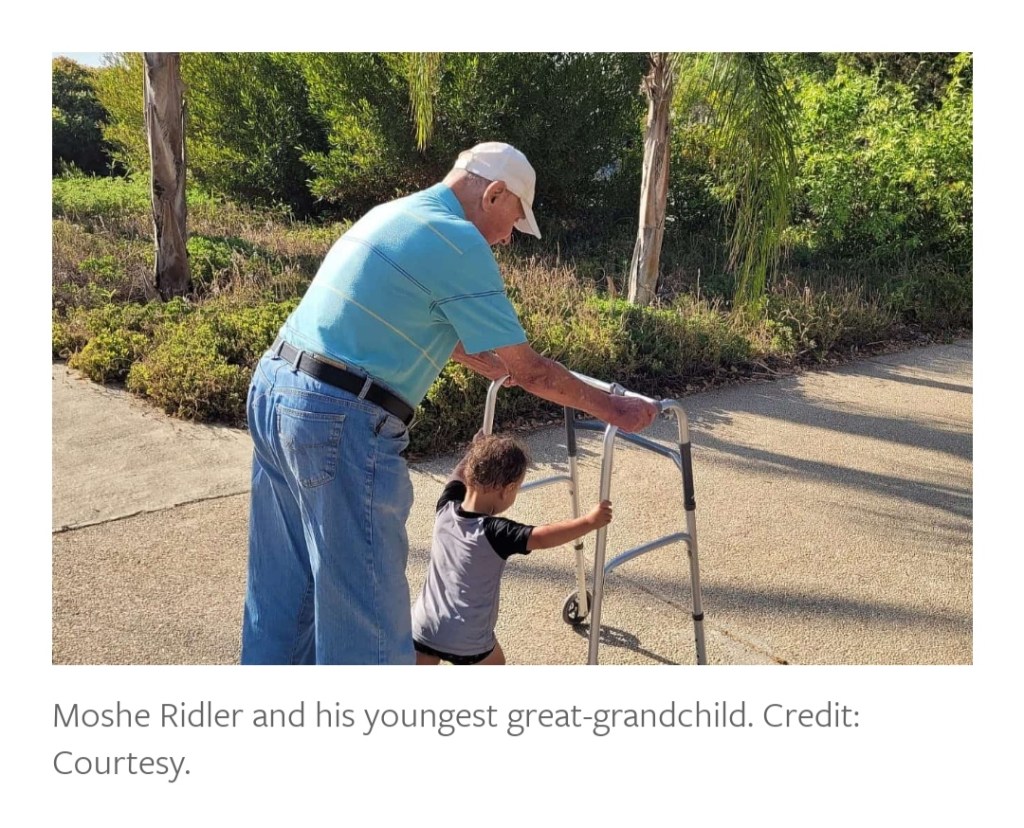
I was strongly reminded of Menachem when I read the story of Moshe Ridler.

Moshe loved music and played the piano, too. He even danced, still, at the age of 91. And he was a Holocaust survivor, too.

He survived the European Holocaust. But not the Hamas Holocaust on October 7, 2023.

.

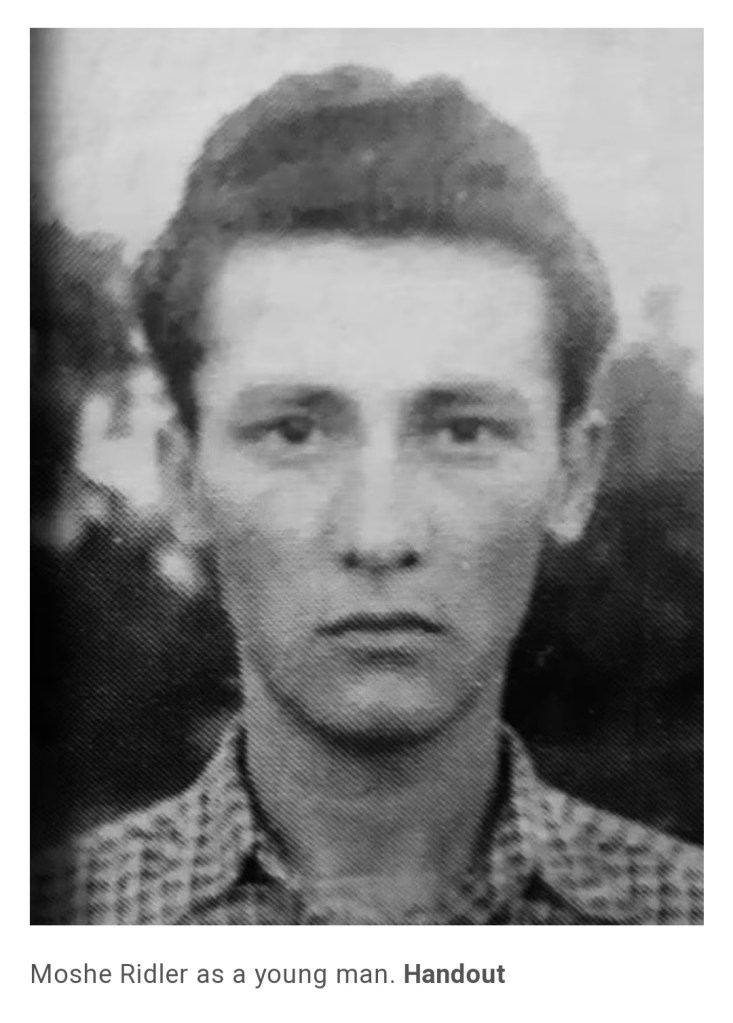
Moshe was born in 1931 in the town of Hertsa in Romania. In 1940, he and his family were sent to a concentration camp in Ukraine. His mother and sister both died there of typhus. His father and his other sister were sent to work camps. Moshe stayed behind, alone.

At the age of 11, he overheard two men talking about escaping the camp. He convinced them to take him, too. They escaped together in the night. Moshe ran, and ran, until he fell down and passed out from exhaustion. When he woke up, he was lying by a fire in a family’s living room. He had run 30 kilometers, to another town, where the Ukrainian family found him and put him by the fire, because he was cold as ice.

The family dressed him as a Ukrainian boy and they pretended he was one of their children. They saved his life. Finally, when the war ended, he was reunited with his father and sister, and they returned home to Romania.

.

In 1951, Moshe moved to Israel. He joined the Israeli police force and later helped with the transportation and immigration of Ethiopian Jews to Israel, which was a complicated operation.

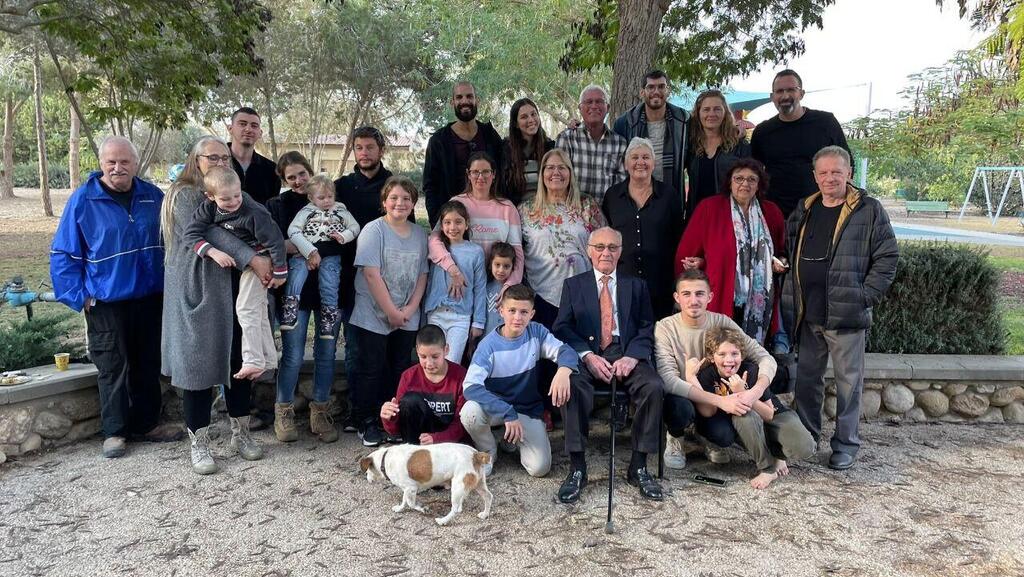
One of Moshe’s children, Pnina Hendler, lived in kibbutz Holit in the Gaza Envelope. When Moshe was very old and needed help, she moved him to her kibbutz, so he could be near her and his grandchildren. They hired a caregiver from Moldova, who spoke with Moshe in Romanian.

Moshe was happy in the small kibbutz. He swam in the pool every afternoon and spent time with his grandchildren and great-grandchildren. He told them stories, played the piano and danced with his walking stick. “He was the granddad of the kibbutz,” Pnina said.

Moshe was so proud of his family. He had three children and 18 grandchildren and great-grandchildren. To him, they symbolized his victory over the Nazis, who had tried to wipe out his people.

But on October 7, 2023, at 91 years old, the new Nazis got to Moshe Ridler. Hamas attacked kibbutz Holit at 6:30 in the morning. They went from house to house, like in the Russian pogroms, and shot everyone they found.

Moshe Ridler, 91 years old, was murdered by Hamas, together with his caregiver, Petru Boscov. They were killed by a handgrenade thrown into the room.

Was Moshe, a great-granddad, a threat to the Palestinian people? The idea is beyond ridiculous. Did Petru Boscov even have anything to do with the Palestinian-Israeli conflict? Nothing at all. He wasn’t even Jewish. Their murderers did not care. They were killing machines on a rampage.

.

Petru Boscov leaves behind a wife and three young daughters in Moldova.

Moshe’s violent death is devastating to his family. To survive one Holocaust, only to be killed by another at age 91, is the worst kind of irony. “In my worst nightmares I never imagined such an end,” said Pnina Hendler. She can only hope that her father was killed instantly and didn’t realize what was happening.

Etti Farhi, the director of the Foundation for the Welfare of Holocaust Victims, said on Ynet: “Instead of aging with dignity, Moshe was murdered in cold blood. We at the foundation are appalled by the terrible cruelty that befell him once again.”

Are you proud, Hamas? Of eradicating the terrible danger that was Moshe Ridler, a 91 year old great-granddad? You cowards. You will go down in history as the Nazis of the 21st century. The evil reincarnation of Hitler. But Moshe Ridler lives on in his children, grandchildren and great-grandchildren. He has won already, by living to be 91 years old and having a large and loving family. If I was religious, I would say he smiles down at them from heaven. Some part of me believes he does.

.

Blood feuds and family clans: Bedouin Israelis

(This is my video about the Bedouin victims of Hamas.)

28 Bedouin Israelis were killed by terrorists and rockets on October 7. Another 7 were taken hostage. Two of them, minors, were released during the ceasefire and one is known to have been killed in Gaza. The rest still languishes underground.

An estimated 200,000 Bedouins live in Israel, most of them in the Negev desert. They are a group of historically nomadic tribes, who used to roam the entire Arab peninsula and North Africa. Since the beginning of the 20th century, most Bedouins are no longer nomadic, but live in camps, villages and towns. Ethnically Arabs, they are Muslims and speak an Arabic dialect. However, they do not consider themselves Palestinians. They call themselves “Negev Arabs”. They live not only in Israel, but also in Jordan and in the Sinai pensinsula of Egypt.

I have always thought of Bedouins as the Gypsies / Travellers of the Middle East, and there are some similarities between the two groups. Like Gypsies, Bedouins hold on tightly to their culture and identity, even while surrounded by the modern world. Some things have had to change, but their distinct customs and lifestyle are very important to them. They have their own laws and codes of conduct, which are based on Islam. Their system is complicated and I don’t know much about it, but I know that kinship ties and honour codes are extremely important to them, and that their hospitality and their pita bread are famous.

Because they live mainly in the Negev desert in designated towns and villages, I don’t meet many Bedouins. But since I started my small hobby farm and taking in rescue animals, I have had some interaction with them. Some of those were positive, like the time when we went to a Bedouin town to buy a saddle and they proudly showed us their amazing, home-bred Arab horses, complete with beautifully decorated tack. And others less so, like when I sold a (different) saddle online and a group of four Bedouin men came over and basically intimidated me into accepting a much lower offer than I wanted. Well, you live and learn, and I wrote this down to male bullying more than anything else.

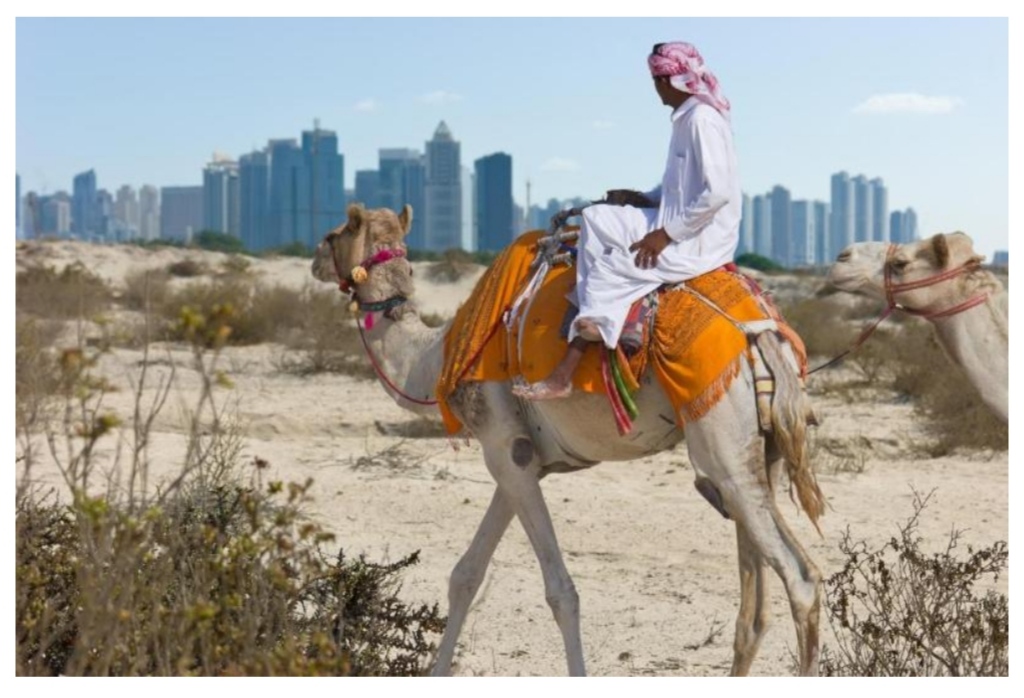
Bedouins were historically dependent on their animals to survive. For thousands of years, they relied on their camels for transport, milk and meat. I don’t know anyone who can handle a camel except the Bedouins. I am used to large animals, but I treat camels with extreme caution. They are amazing but so strange to me! I have no idea how they work. Whenever we go for trips to the desert, my face is glued to the window looking for Bedouin camps with camels and especially, horses.

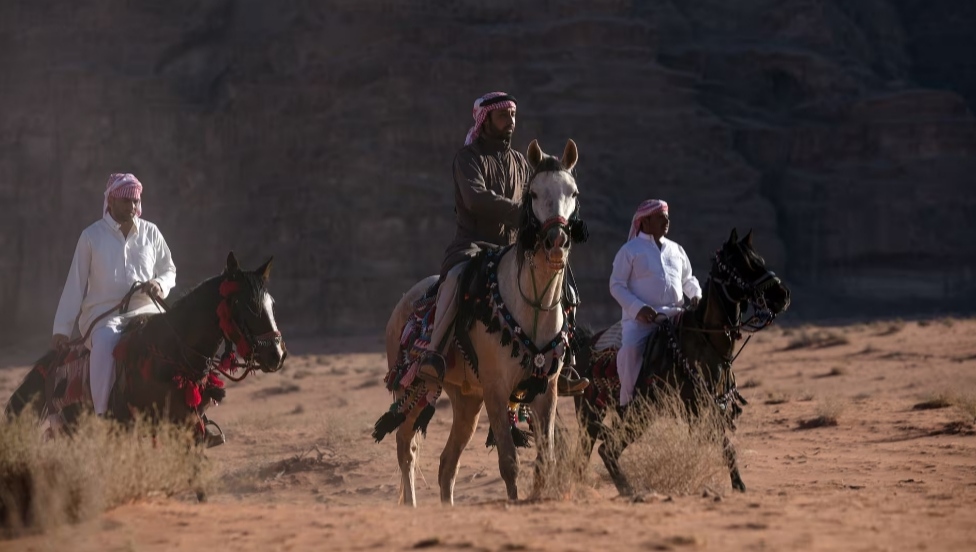
Arab horses are world renowned for their beauty, speed and strength. They are like the Jaguar of horses. And these magnificent creatures just live by Bedouin tents, between the goats, kids riding them bareback. Sometimes you see people riding on the streets, parading proudly with beautiful, coloured tack and decorations.

If Arab horses are the Jaguars of the horse world, Saluki dogs are the Jaguars of dogs. The Saluki is a breed that was traditionally used by Bedouins for hunting. These days, hunting is illegal in Israel, so anyone using their dogs to hunt runs the risk of the dogs getting confiscated. You don’t see Salukis much anymore. The breed that is now mostly associated with Bedouins is the Cana’an dog, a breed that is extremely watchful and makes great guard dogs. I should know, because I have Cana’an mix and he never stops barking.

Now, the Bedouins are famous for their animal breeding and riding skills – but not always for their animal-friendliness. I have three rescue donkeys that have escaped from Bedouin villages. Two of them are terrified of people, full of scars and obviously traumatized. Sadly, donkeys are the dregs of the farm world. They have mostly been replaced by tractors and trucks, but are sometimes still used by Bedouins for riding, carrying burdens and pulling carts. They are frequently overloaded, mistreated and neglected, sometimes even subjected to extreme and malicious abuse. This is obviously not limited to Bedouins – people everywhere abuse animals. But there are several practices common amongst Bedouins that I consider problematic.

One of them is tying the legs of animals together. Traditionally, Bedouins don’t build fences and let their animals roam freely to find food for themselves. But obviously, they can’t go too far or run away when their owners come to get them. So their legs are tied together in such a way that they can walk small distances to graze, but not run. This is done to all animals: goats and sheep, camels, horses, donkeys. I have seen camels with all four legs and their head tied together. They could only hobble a few paces.

I don’t like it, but if this is done safely and with wide leather straps, I wouldn’t consider it abuse. But often, it is done with straw twine, which cuts into their legs and leaves wounds that never heal. These poor animals suffer constant pain. All my donkeys have these scars on their legs – except the one who was born in my care. One of them also has scars on his chest, probably from pulling a cart with an ill-fitting harness. Donkeys are extremely sensitive and intelligent animals. They figure out how to beat the system and untangle themselves. And when they’re gone, they’re gone. They remember everything and they will never go back to owners who abused them. So they start roaming. They walk along the roads and often end up in kibbutzim, where there are fields and horses. That way, I have now gathered three rescue donkeys – they were found wandering around, alone and hungry, with wounds on their legs. They have become less afraid with time, but they will never fully trust any human.

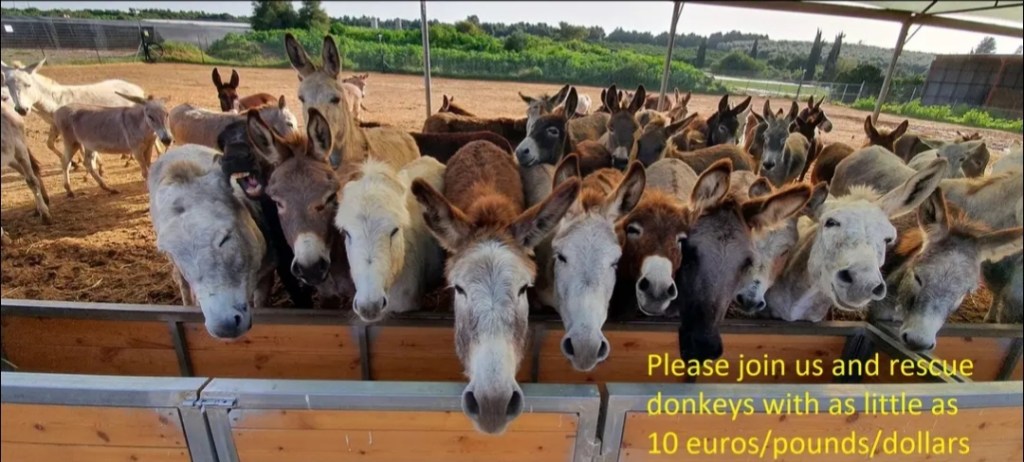
There are several large scale donkey sanctuaries in Israel. The most famous ones are Pegasus, Starting Over and Safe Haven for Donkeys. These people do incredible work that is vastly underrated. Donations and publicity are always greatly appreciated.

But I digress! I will get off my animal care soapbox now and concentrate on human rights. Because Bedouins and modern Israeli society do not always mesh well. Most Bedouins live in towns in the Negev, like Rahat or Tel Sheva. But there are many illegal villages, where the desert people decided to build their tents and huts, as is their tradition. But the land does not belong to them and the state does not recognize these villages. As a result, these places lack basic necessities like electricity, plumbing and, most importantly, bomb shelters and sirens. They are also not covered by the Iron Dome, the rocket interception system which keeps most of Israel safe from bombs launched at us from Gaza and Lebanon.

On the 7th of October, 2023, Hamas started their deadly invasion with a barrage of rockets shot into Israel. As many of the Bedouin villages do not have bomb shelters, seven people were killed by the impact of rockets. Six of those were children, and one a grandmother. This is absolutely heartbreaking. It is unacceptable that people have to live in this country without adequate protection against rockets. Hamas has been throwing rockets at us since 2005, when Israel left Gaza. You’d think every square inch of the country would be protected by now.

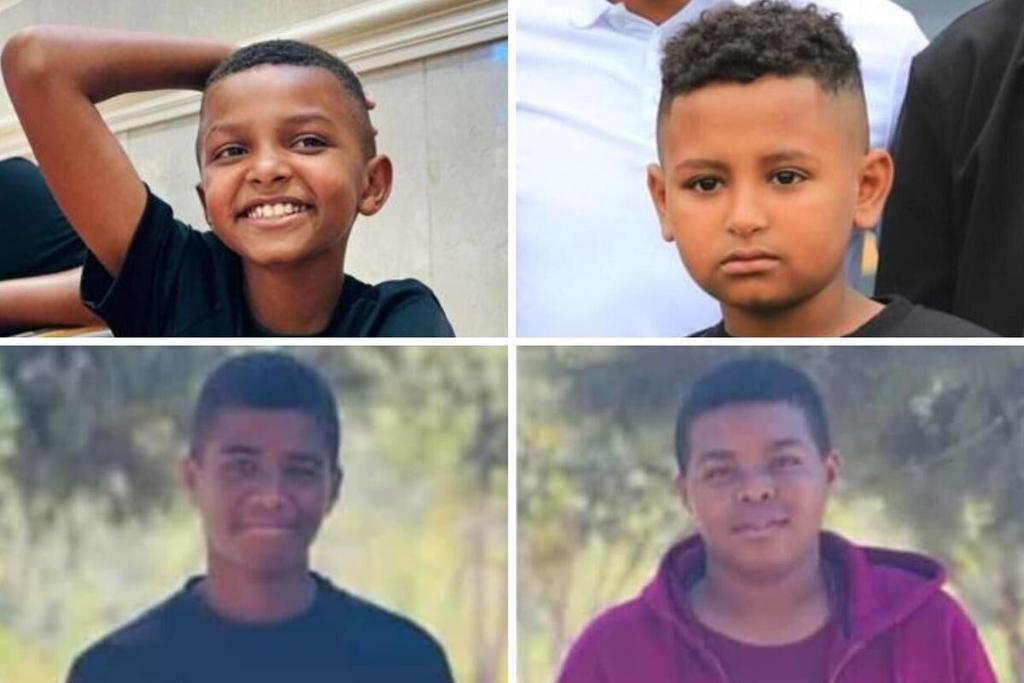
Malik, Jawad, Mohammed and Amin Al-Gourhan. Four children killed by a single rocket launched from Gaza.

Apart from casualties by rocket impacts, Hamas murdered 21 Bedouin Israelis. Some Bedouins serve in the Israeli army, but most of those killed on October 7 were civilians. Not that Hamas cared. They destroyed everything in their path.

Fatma Alttalaqat, 35, was a Bedouin mother of nine children. She was on the way to work with her husband and baby, when Hamas terrorists stopped the car and shot her point blank. Her body was found riddled with 40 bullets. She leaves a broken family behind, who cannot comprehend how Palestinians could shoot an innocent woman wearing a hijab in cold blood. I can’t either. It is inhuman.

I found no photo of Fatma, because Bedouins do not like publishing photos, especially not of women. The one exception was Aisha Alziadne, out of necessity.

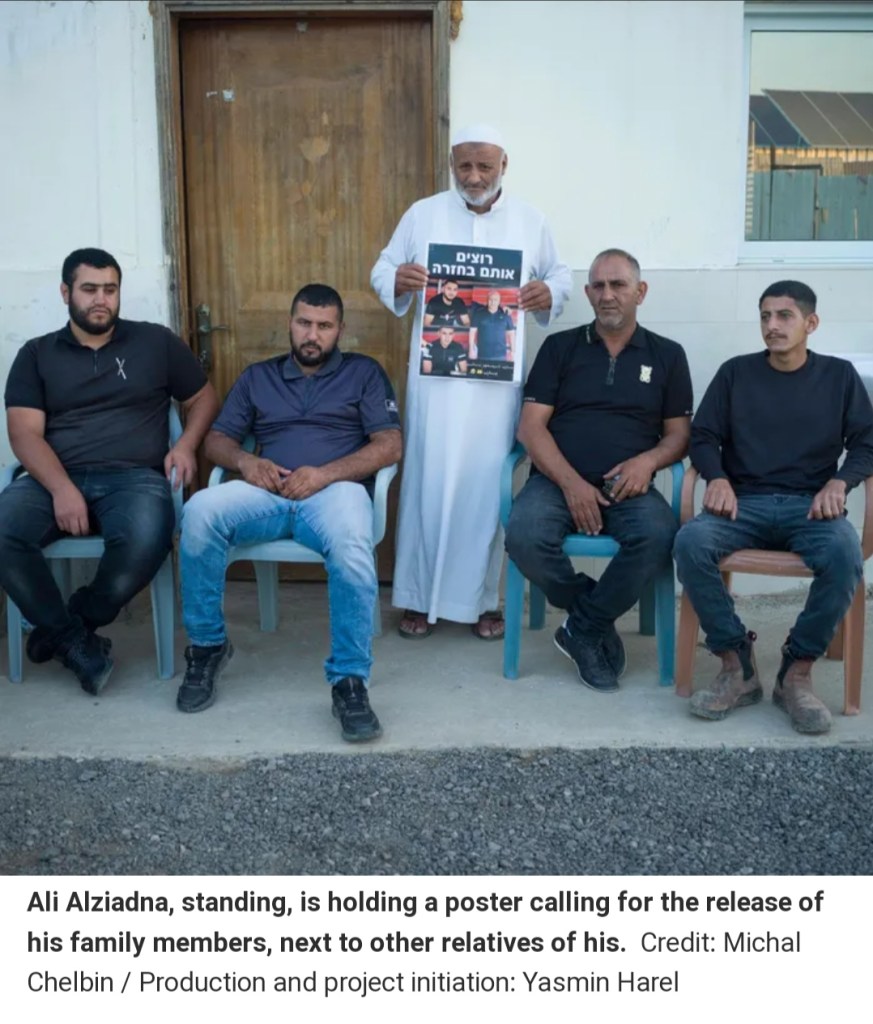
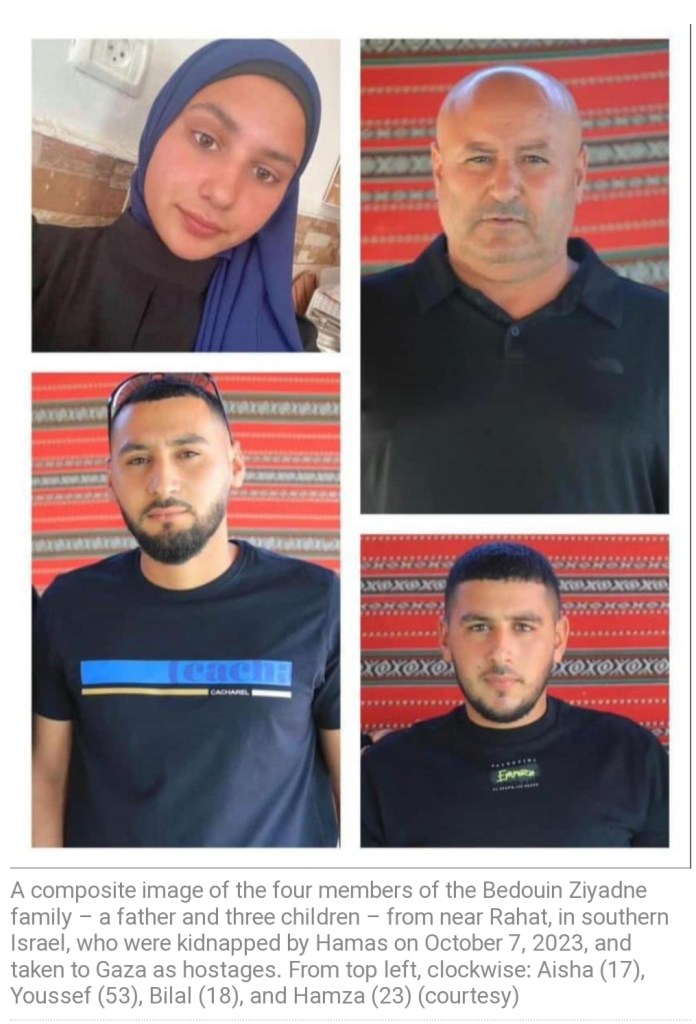
Four members of the same Bedouin family, the Alziadne clan, were abducted by Hamas. Youssef Alziadne has worked in the dairy farm of kibbutz Holit for seventeen years. When they were old enough, three of his children, Hamza, Bilal and Aisha, starting working with him. On October 7, they were all at work when the terrorists invaded kibbutz Holit. At the end of the day, all four were marked as missing. Later, they were seen in security footage, being led into Gaza on foot. Their status was adjusted to hostages.
A member of the same family, Abed Alrahman Ataf Alziadne, 26, was killed on Zikim Beach. Just like Fatma Alttalaqat, his body was absolutely riddled with bullets. He was machine gunned to death by rabid lunatics. It is horrific.

After 7 weeks of captivity, minors Aisha and Bilal were released. But Hamza and Youssef remain in the tunnels of Hamas. Their extensive family is terrified for them. Youssef has two wives and 19 children. He suffers from diabetes and his family is worried that he does not have his medication. Hamza is married and a father of two children. He suffers from migraines and does not have his medication either.

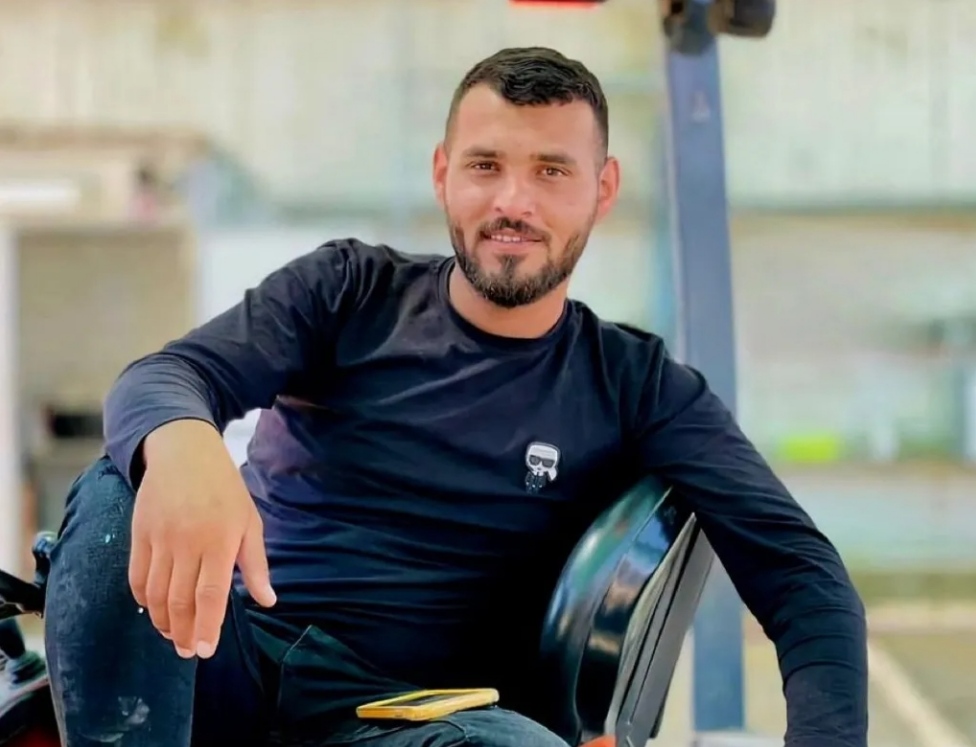
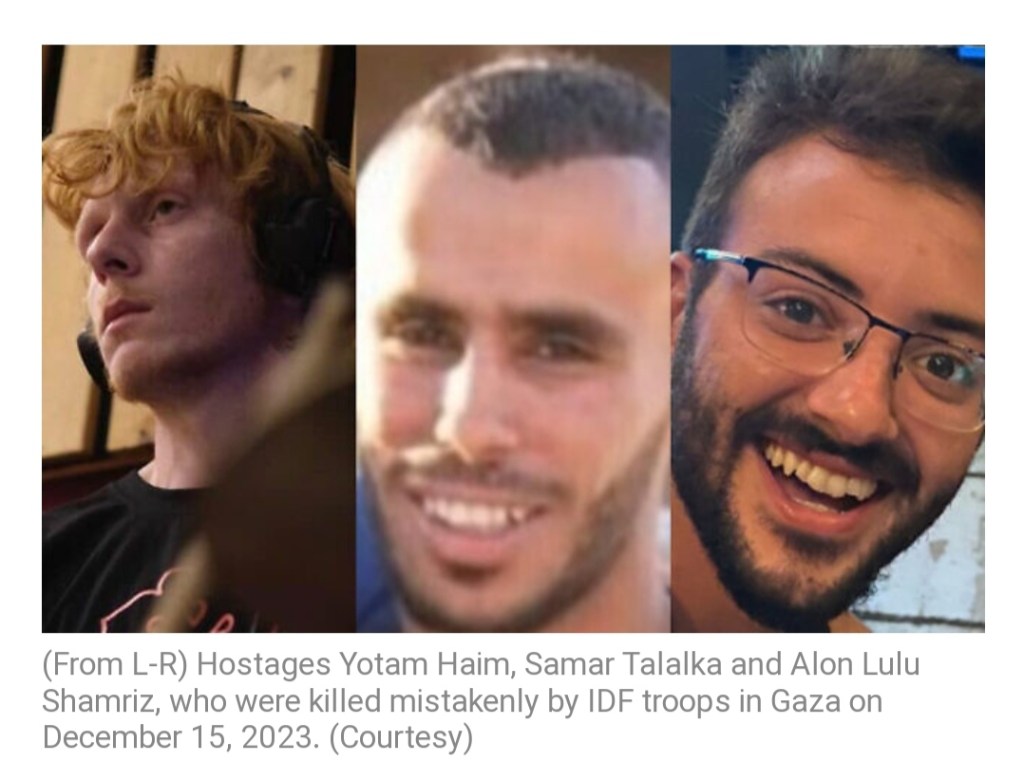
Other than the Alziadne family, there are three more Bedouin hostages. One of them was Samer Talalka. On December 15, Samer managed to escape his prison together with two other Israeli hostages. They tried to get the IDF to notice and rescue them, but instead, the IDF soldiers thought they were being ambushed and shot them. Tragically, the three were killed by fire from their own army. The absolute last thing anyone wanted.
One of the other Bedouin hostages remains unnamed, at the request of his family. The last one is Hisham al-Sayed, who has been held captive by Hamas since 2015.

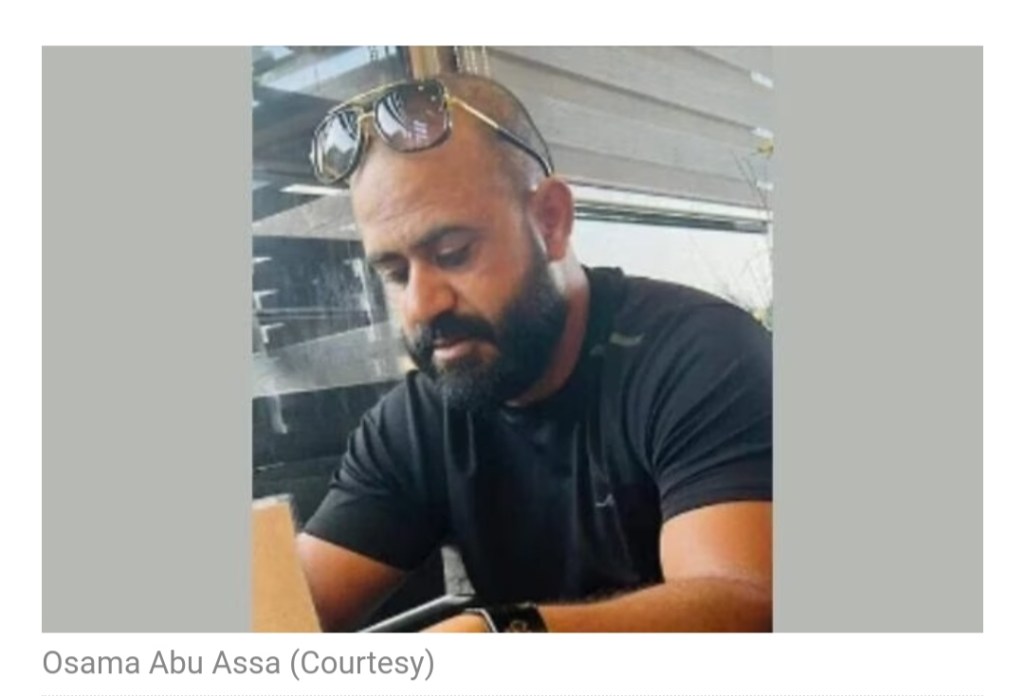
One other victim of Hamas that I want to mention is Osama Abu Assa. Osama was a Bedouin man from Tel Sheva, who worked as a security guard near kibbutz Re’im. In the early morning of October 7, he was returning home from his night shift when the sirens started wailing. He ran for a bomb shelter and hid there with other people. A security camera recorded the entire sequence of events. I saw the beginning of the video. The terrorists started firing into the bomb shelter and shouting for people to come out. Osama ran out, ducking to avoid the bullets flying around him. He shouted at them that all the people in the shelter were Arabs, that they were all civilians, women and children. This was not true, the other people in the shelter were Jews. Osama saved their lives. But he paid for it with his own life. The terrorists started beating him up. I couldn’t continue watching at that point, but I know they violently beat him, forced him to undress and robbed him of all his valuables – before finally executing him. Knowing this makes me sick to my stomach. What a horrendous, senseless murder. Osama was a good man who protected innocent people. Why? Why did they kill him? It is pure evil.

There is a twist to this story. Osama belonged to a large family clan with a lot of influence in the Bedouin community. His family has sworn bloody revenge and had offered a reward of 1 million dollars for information leading to Osama’s murderers. In an interview with Ynet, Osama’s brother, Joad Abu Assa, told the interviewer:

“(…) this is a blood feud – these people tortured him and it’s not a simple matter. My Bedouin, Druze and Jewish friends approached me asking to help us. If their families don’t fear us, they’ll do it again and again because this is a blood feud. Bedouins in Israel kill one another over trivialities all the time, so don’t you expect everyone, and the world, to rise up in this case?”

About Hamas, Joad Abu Assa said:

“Hamas is a crime syndicate, not a state working against a state. People there murder people for money and their own interests. This isn’t about a state or the war, this is about the people there. They only want more money and then fire rockets at Israel so that it has a chance to take a picture of a dead Palestinian child and show the world. We know this and we’ve had enough of Hamas, ISIS, and their violence. It’s not only about my brother, we’re aching for the Jewish children who were murdered as well, and the 80-year-old woman who was abducted, who does something like this?”

And finally:

“(…) their Islam doesn’t represent us, they’re not true Muslims. A Muslim doesn’t murder, they hide behind our Islamic religion, ours is a religion of peace and respect. Our religion tells us not to murder. It says much, but not to torture.”

I know I shouldn’t want revenge. I should want peace for everyone involved. And I do. But this, coming from an Israeli Bedouin, really lifts my spirit. I know about blood feuds. They’re seriously scary. But instead of fighting each other, the Negev Bedouins now have a common enemy: Hamas. They understand Arab culture in a way we don’t. And they are armed and ready. They are not done with Hamas.

Aisha, come home. By Yaara Eshet.

100 Days

Today, the hostages have been in captivity for 100 days. Most of the minors and their mothers, and elderly women, as well as most Thais and the 2 Filipinos, were released during the ceasefire after 7 weeks. But 136 living people are still assumed to be held prisoner in Gaza. Some of the hostages have died (were murdered) and their bodies are known to still be held captive, like Joshua Mollel, whose bloody murder was broadcast by Hamas. Some are known to be seriously injured, like Hersh Goldberg-Polin, whose arm was blown off during an explosion on October 7. Some are only teenagers, like Eden Alexander, who is 19 years old. Some are very old, like Oded Lifschitz, 83.

Some of those who are still being held are friends or family members of my friends. Like Noa Argamani, who is my friend’s cousin. Like Ofer Calderon, David Cunio and Ariel Cunio, who are friends of my friends.

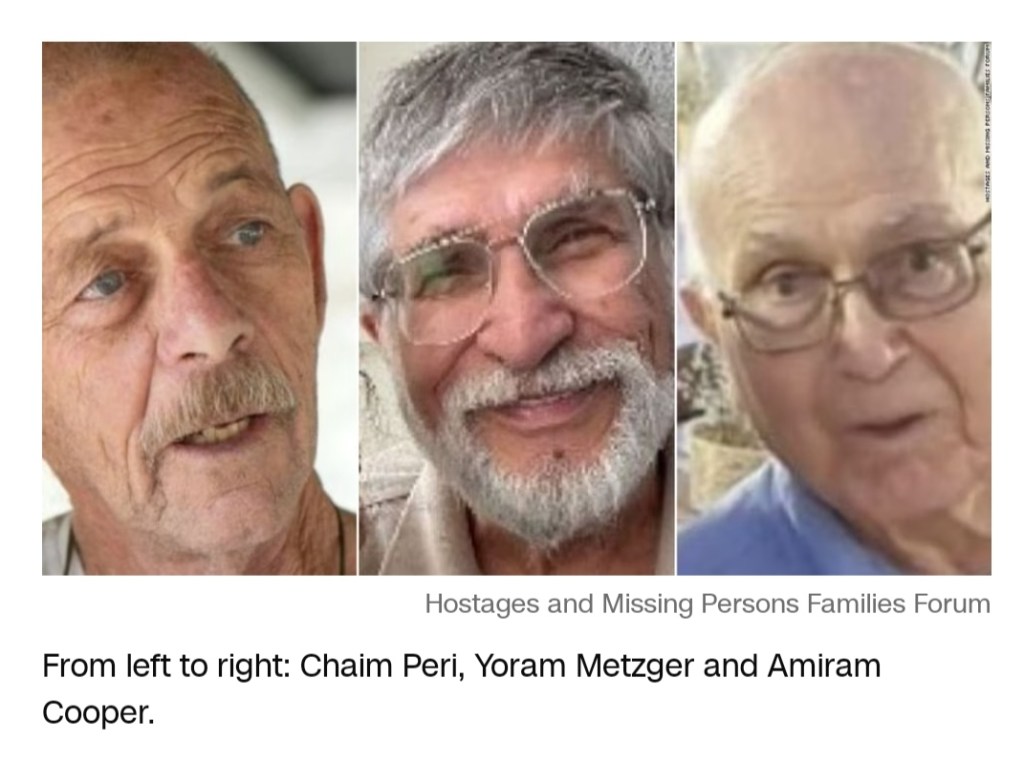
There have been practically no signs of life. A few weeks back, Hamas released a video of three of the oldest hostages, Haim Peri (79), Yoram Metzger (80) and Amiram Cooper (84). They were sitting in a row in front of the camera, looking thin and weak, with long beards. They pleaded with the Israeli government to stop the war and rescue them. Of course, they had been told exactly what to say by men with automatic guns, so we have no idea what they actually wanted to say.

This kind of thing has the dual effect of raising our hopes – they’re alive! – and feeding our anxiety: time is running out. It’s a known tactic of psychological warfare. It is entirely possible that these three elderly men were executed immediately after the recording of that video.

I hope to heaven that this is not what happened. I hope the majority of the hostages are alive and will one day be found safe and brought back home. But sometimes, I wonder if any of them are still alive right now. And if they are, what hell are they going through? We know from the released hostages that they were kept in harsh circumstances, fed very little and threatened constantly. Some men were beaten with electric cables. Some women were kept in cages and sexually assaulted, over and over again.

Some were not even abducted by Hamas at all. Some were taken by Islamic Jihad, another terror organization. And some were taken by civilians, who followed Hamas out of the gates and joined cheerfully in the plunder, murder and destruction. These civilians chose young girls and women to kidnap for themselves. No one knows where they are, but we can guess what is being done to them. Sexual violence was a big part of the October 7 massacre. It is no secret that many bodies were found naked and bleeding, gangraped violently and then shot. Hamas member have bragged about raping Israeli women.

.

.

But somehow, this is still being contested by the world. Somehow, people all over the world manage to turn this atrocity around and twist it. Humans everywhere love to blame Jews. It has always been like this in history and these times are no exception. We are apparently to blame for progroms and holocausts, for hatred and massacres, just because we are Jews and we should not be wherever we are. People manage to justify to themselves what Hamas has done. They want to absolve their guilty conscience by saying: “Well, the Jews had it coming.” And they cheerfully campaign for Palestine, donate to Gaza (which all goes straight to Hamas), walk around with kefiyahs on their heads and feel like cool, edgy, progressive humans.

You’re not. You’re antisemites and neo-Nazis. Just a few days ago, someone from my own country stole my words, twisted them around and gleefully managed to suggest that not only did we have it coming, but Israel orchestrated the attack themselves, just to have an excuse to “commit genocide” in Gaza.

I have never been so ashamed to be Dutch in my life. People like this make me sick. They are holocaust deniers, victim blamers and no better than the Death Eaters themselves. But I know what is going to happen. Hamas has said it themselves, numerous times: the West is next. One day very soon, things like this will happen in Europe. Then, these people will finally start to realize that radical Islam is a horrific evil that wants to conquer the world and destroy everyone that doesn’t live exactly according to their draconian rules. But then, it will be too late.

I want to take this opportunity to draw attention to the women and children still in the hands of Gazans, and likely subjected to physical, sexual and psychological violence. Is this what you want? Is this what you want to see in your own country? To them, women are objects. Trophies, to be owned, stolen and discarded as they please. We need to fight this evil and make sure they do not conquer Europe! Because no matter what I shout, I care deeply about my old country. My heart breaks to see it slowly being subjected to Sharia law. As much as it breaks for these beautiful women. Please, please help us bring them home. Raise your voice. Say NO. This is evil, no matter what your race, religion or nationality is.

.

.

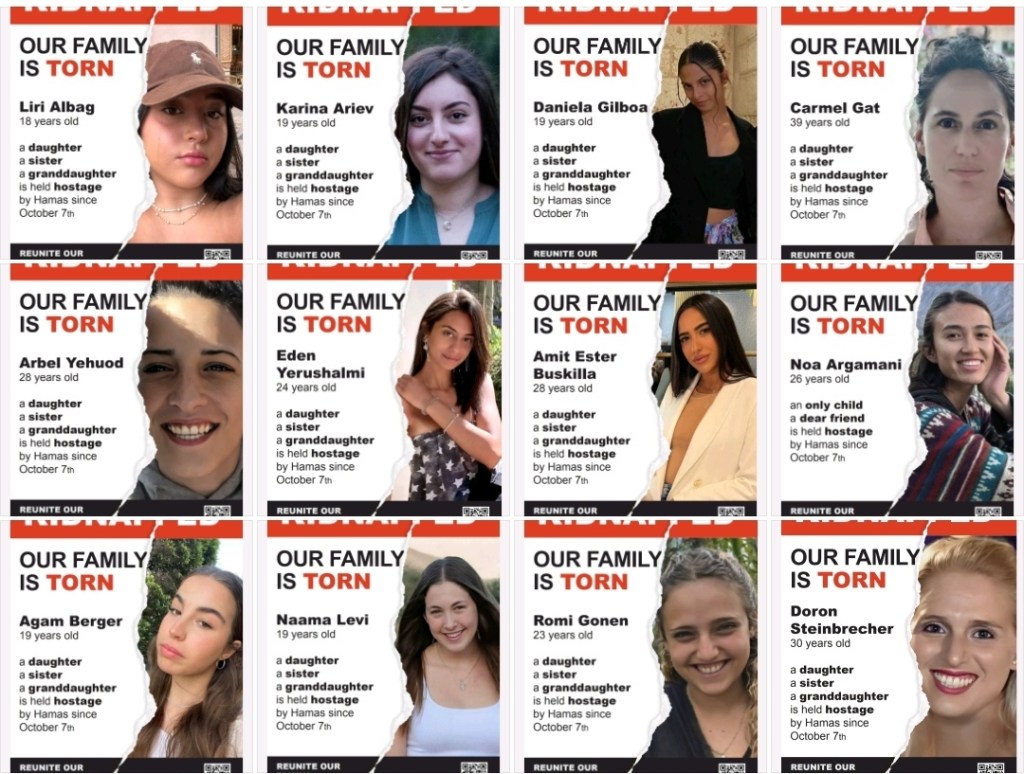
Liri, Karina, Daniela, Carmel, Arbel, Eden, Amit, Noa, Agam, Naama, Romi and Doron are still being held hostage. 100 days.

.

.

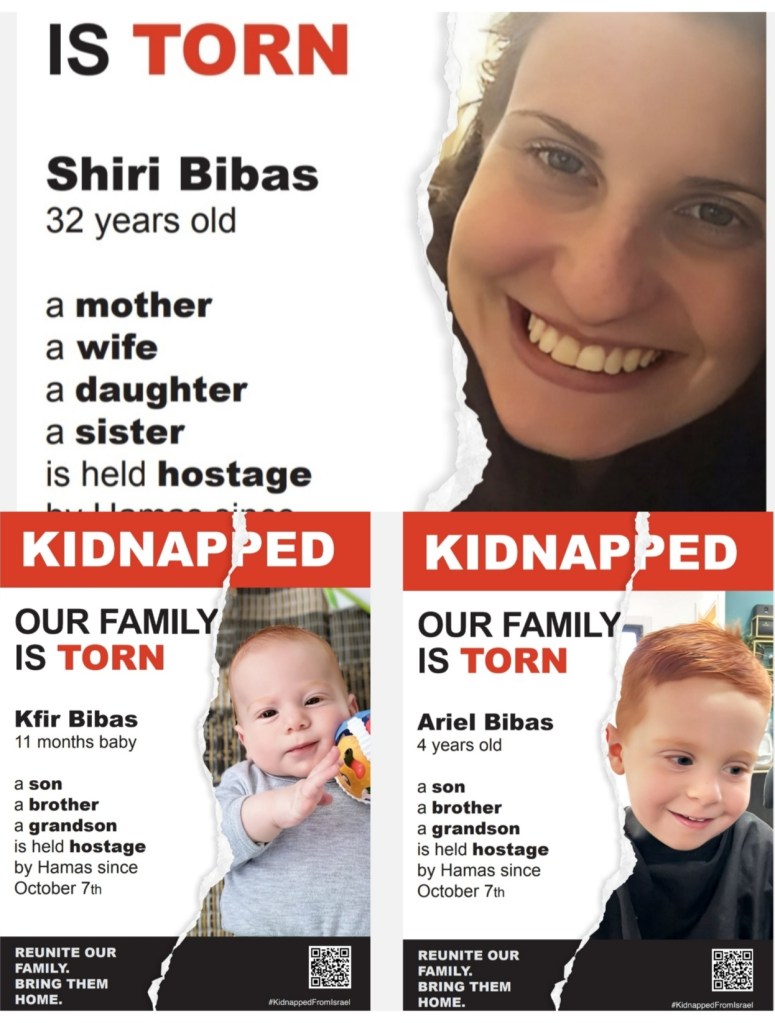
Shiri, Ariel and Kfir Bibas are still not back home. Kfir recently turned one year old. He has been captive for 100 days of his short little life.

.

.

Look them in the eyes, these young girls. See what the Death Eaters did to them. And then stand behind that with a clear conscience. I dare you.

#bringthemhome

The Green Prince

I want you to meet Mosab Hassan Yousef, also known as “The Green Prince”. He is the son of one of the founders of Hamas. His story is incredible and what he has to say is hugely important. He has been very vocal in denouncing Hamas and supporting Israel for years. To me, he is a fascinating person. His sharp intellect and his courage are remarkable, and we can learn so much from his insights. If we choose to listen, and not turn the other way, because we don’t like the picture he is painting.

.

Mosab Hassan Yousef was born in the West Bank in 1978. While growing up, his ambition was to become a “freedom fighter”, as so many Palestinian children’s was. But his life went differently. After witnessing the cruelty, brutality and terror that Hamas subjected their OWN people to, he started thinking differently. He became an informant for the Israeli intelligence.

Over the years, he has prevented countless suicide and terror attacks, earning himself the nickname “the Green Prince” (the colour of the Palestinian flag and his status as the son of a sheikh). Many of us owe him our lives and we don’t even know it. Jews, Israeli Arabs, foreign workers, tourists – everyone. Hamas does not distinguish. Their goal is to eradicate the state of Israel, kill every single Jew on the planet and then establish the Islamic State. They will use any means necessary, including using their own people as a human shield.

We know this because Yousef, and other people like him, told us, again and again. Yousef wrote a book, “Son of Hamas”, and a documentary was made about him: “The Green Prince”. Now, he is raising his voice again to tell the international community what we already know. He is putting himself in extreme danger to say these things. Hamas wants his blood like they want ours. He now lives in the USA, for his own safety.

This is an interview with Mosab Hassan Yousef by Piers Morgan, on October 26, 2023.

.

.

It’s not just Youssef’s sharpness and his bravery that impress me. It is his humanity. He is driven by his love for the Palestinian people. He wants to see them free and in peace. Free from Hamas’ reign of terror. He wants to say his truth, and say it loudly. Listen to him.

.

.

I agree with him. Hamas cannot be forgiven for what they did to us on October 7. We can never forget, and never forgive. They must be destroyed. Not only for us, but for the entire world. As Mosab Hassan Yousef says: “If Israel fails in Gaza, all of us will be next.”

The Thais caught in the storm

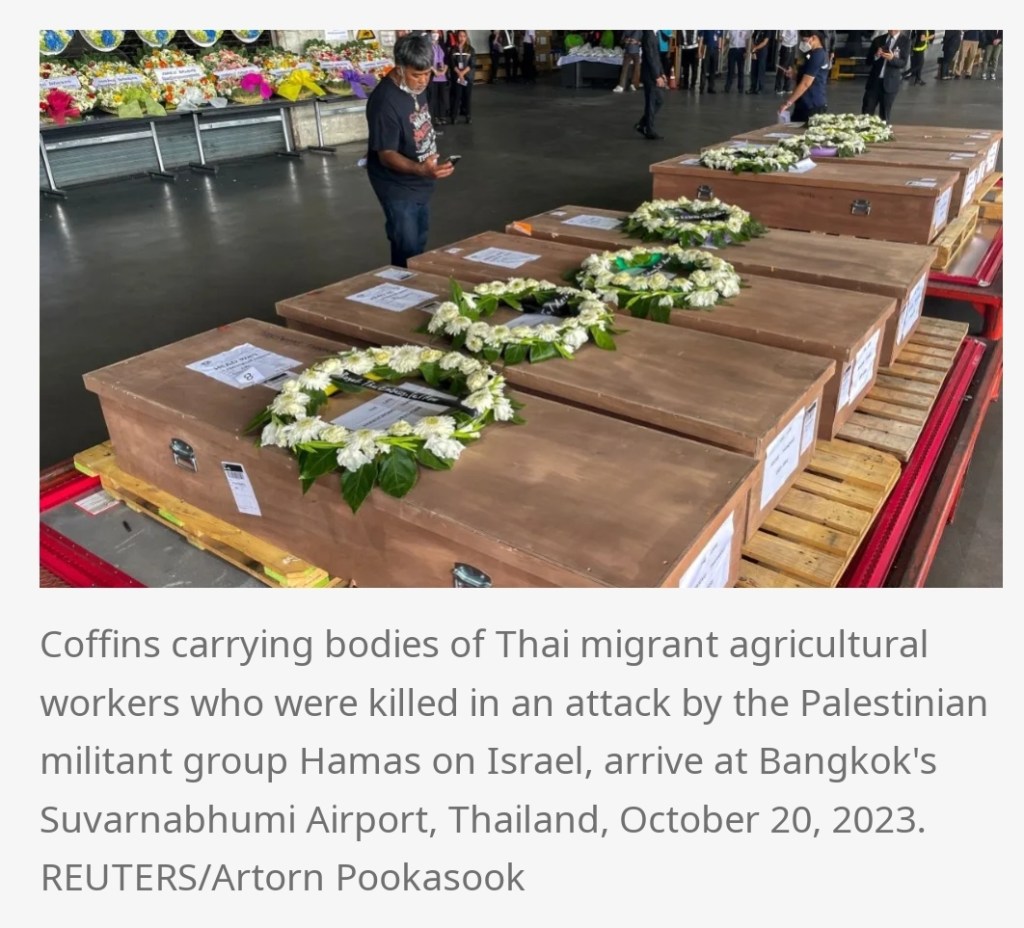
On October 7, 2023, Hamas murdered Jews, Israeli Arabs and non-Jewish foreign workers alike. Of the around 1200 murdered people (the exact number is still not clear), 39 were Thai. A further 26 Thai people were taken hostage and 19 were injured. Four Filipino nationals were murdered and two were abducted. Two Tanzanians and ten Nepali students were killed and one taken hostage. Four Chinese people died in the attack and two are still missing.

Why were all these Asian and African people in Israel? Some of them are foreign students of agriculture, who come to Israel for a work experience in a kibbutz, like the Nepali and Tanzanians. The Filipinos mostly work in care, as aides for elderly and disabled people.

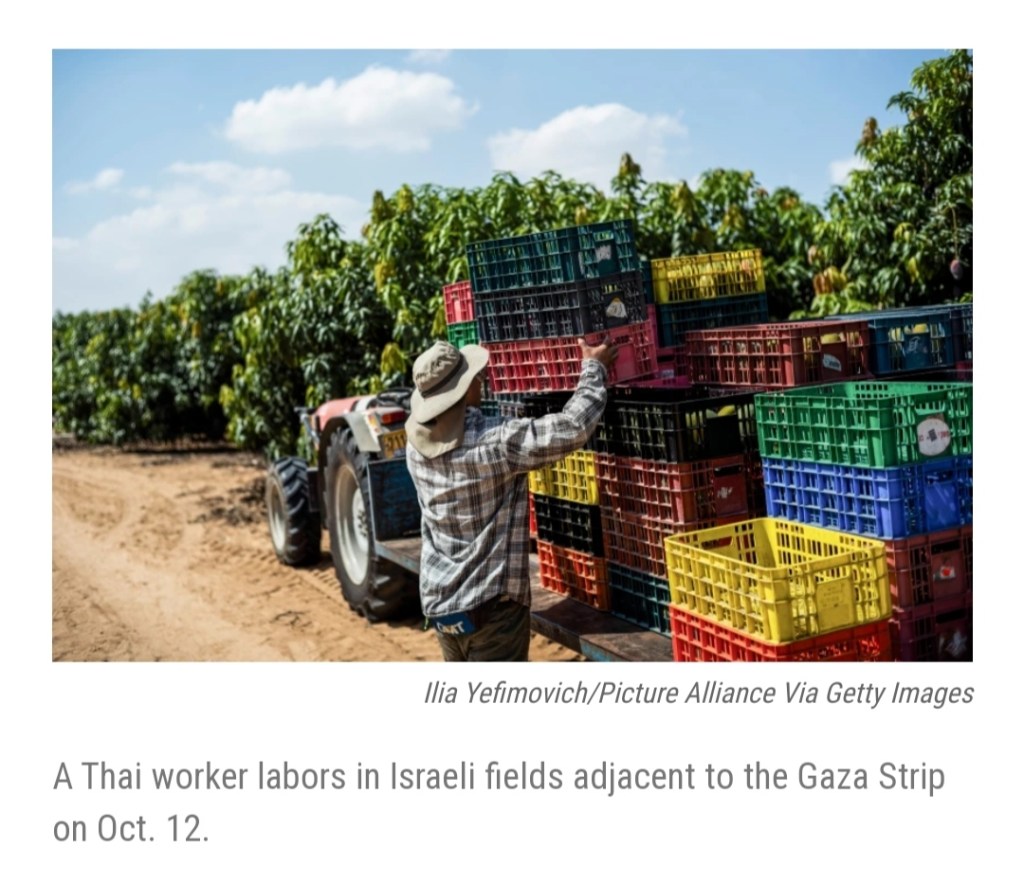
And the Thai and Chinese people are farm and construction workers. Israel’s agriculture relies heavily on foreign workers. There is simply too much work and there are not enough people who are prepared to do it. For many Thai people, working in Israel is the only way to make enough money to take care of their families. For them, the salary of a farm worker is a lot of money.

There are an estimated 30,000 Thai workers in Israel. Most of them are male and work in agriculture. In my kibbutz, there are around 30. They work in the fields and orchards and in the dairy farm. You could say that there is a Thai subculture in Israel. Many of them live in housing away from the kibbutz, in the fields, where they have some land to grow vegetables, keep chickens and other small animals. There are Thai shops and supermarket vans that cater to their needs, supplying them with Thai groceries, so they can make the food they are used to.

Is everything perfect? Absolutely not. I do think that in most kibbutzim, the Thais are valued highly and treated well. But some are exploited, neglected or even abused. Their living quarters everywhere are not even close to Israeli standards. They often have no air-conditioning and no adequate bomb shelter. There are agencies and laws that are supposed to protect the rights of foreign workers, but in reality, there isn’t enough supervision and the Thais often don’t even know where to turn to if things are not ok. There is a huge cultural divide between them and the Israelis. They usually do not speak any English or Hebrew when they arrive here, so communication is very difficult. Most of them pick up words and phrases over time, but a real conversation is often not possible. I speak to them about my chickens sometimes. They call the roosters “men” and the hens “ladies”. They make me smile. They seem like very gentle, friendly, quiet people. (Although I know they have absolutely no problem killing and eating their own chickens.)

Which is why the fate of the Thai people from the attacked kibbutzim on October 7 really broke my heart. They have nothing whatsoever to do with the conflict between Israel and Gaza. Many of them didn’t even know about it. They are Buddhists, not Jews. All they did was come to Israel to work and earn money to support their families. The way they were cruelly slaughtered along with everyone else, shows again that Hamas broke into Israel that day with no other goal than to kill anyone they saw and to inflict as much pain as possible. Anyone who stood in their way was mowed down.

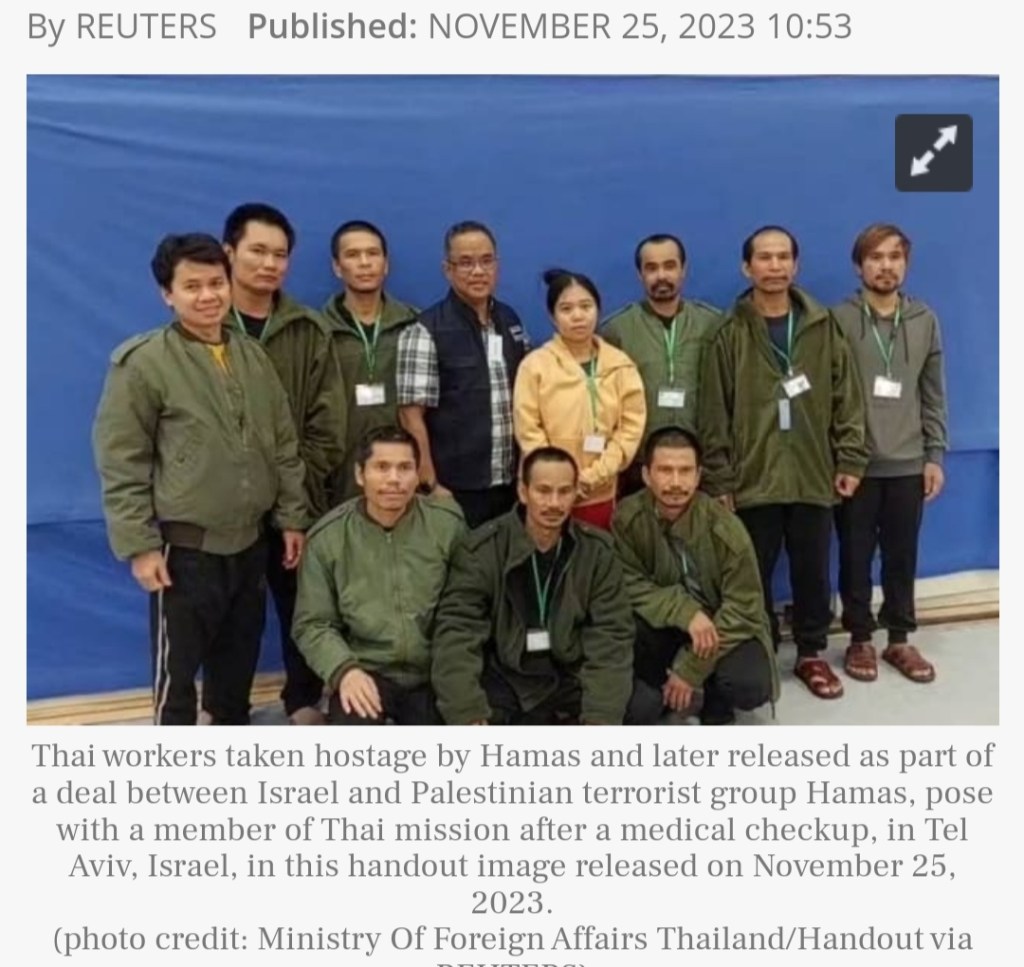
Fortunately, the Thai government did not take this lying down. Somehow, they managed to get Hamas to release their Thai hostages. I have no idea what they threatened or bribed them with. During the ceasefire, from November 24 to 30, nineteen Thai hostages were released. All of them were men, except for one: Nathavaree Mulkan.

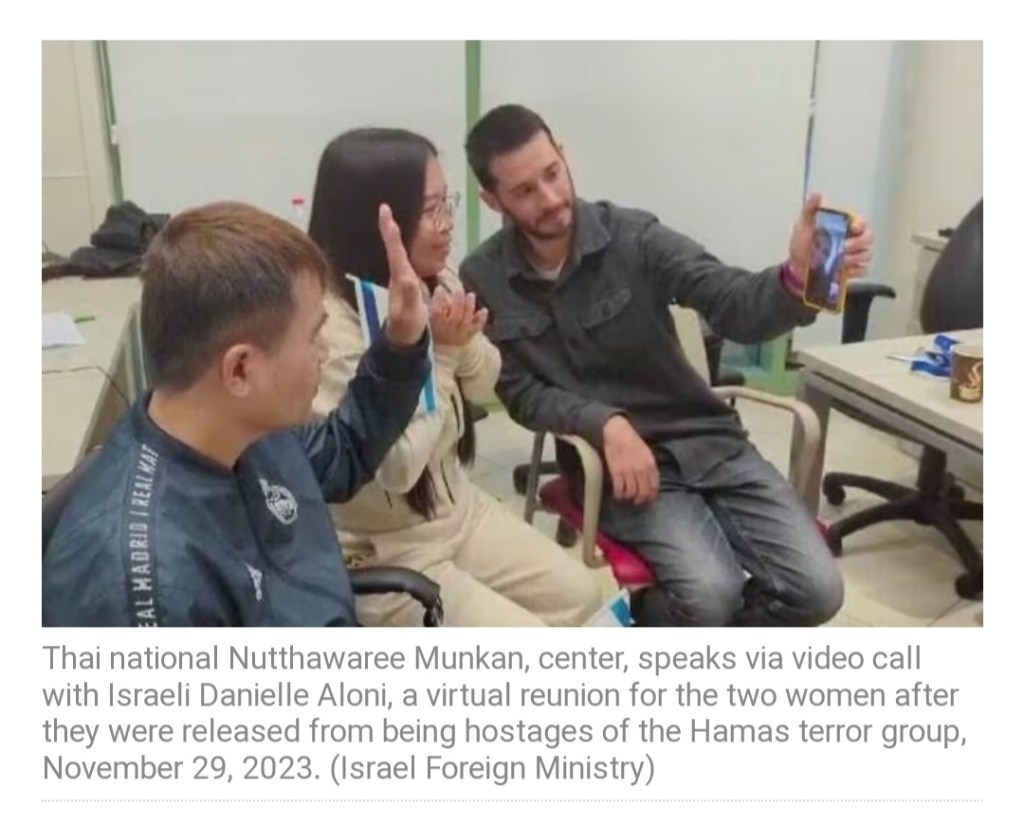
In this photo, Nathavaree Mulkan stands in the middle of all the men, in a yellow jacket. Her partner, Bunthom Phankong, is standing at the far right. They were the subjects of a strange story that circulated in the first weeks of the war, but which was eventually debunked. The story went that Mulkan was nine months pregnant when she was abducted, and that she had given birth in the dungeons of Hamas. Something worse people could hardly imagine, and outrage exploded. The story spread like wildfire over the internet. But it turned out not to be true. Mulkan was released with no baby and no sign of having given birth. We all collectively heaved a sigh of relief. I’m not sure how this story started, it is said that Sarah Netanyahu wrote a letter to Jill Biden, claiming that one of the hostages had given birth. God knows where she got that from. And yes, I will talk about Netanyahu in another post. We have been calling for his resignation for a very long time.

In a heartwarming twist, Nathavaree Mulkan made friends with an Israeli child and mother during their time in the tunnels of Gaza. Emilia (aged 5) and her mother Danielle Aloni became close to Mulkan and her partner. They taught each other words and songs in their languages and promised to visit each other. “We are family now,” Danielle said in a video call, after they were all released.

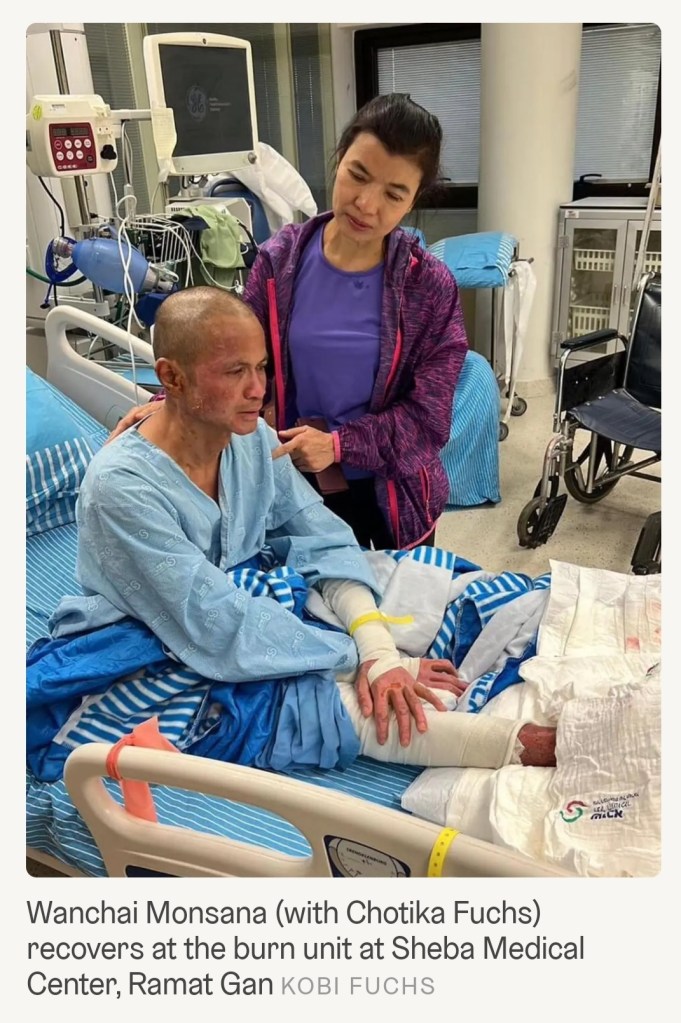
There is another story I want to tell. It’s the story of Wanchai Monsana, a Thai man who miraculously survived the massacre. Monsana is 44 years old, has been in Israel for four years and does not know any Hebrew or English. On October 7, he was burned severely but managed to escape the slaughter. He ran, and ran, wounded and exhausted, for two days, until he arrived in the city Beersheva and was taken to the Soroka hospital. He was immediately treated for his injuries. He had sustained burns to 50% of his body, was in septic shock and close to death. He was anaesthesized, intubated and underwent skin grafts and partial amputation of his right foot. It is unbelievable how he could have run so far so severely wounded. Incredibly, he survived. But no one could speak to him. They didn’t know who he was or who he used to work for. All the people he knew, his boss and his coworkers, had all been murdered. He was alone and had nothing.

Until Chotika Fuchs, a Thai woman married to an Israeli man, heard about the nameless Thai man in the hospital of Beer Sheva. She went to visit him and spoke to him. She and her husband, Kobi, spread his incredible story and asked the Israeli public to help him. And they did. So many people came to visit him, bearing gifts and money, that the hospital had to restrict the visits so Monsana could rest. Both Israelis and Thais came to see him. They brought him a new phone, clothes and Thai food. Chotika and Kobi Fuchs have been visiting Monsana frequently and organized a fundraiser for him. His story has a happy ending – his insurance pays for all his hospital costs and the Israeli government will give him benefits and damage payments for the rest of his life. This is standard and is done for all survivors of terror attacks in Israel. Monsana will return home to Thailand and will be with his family. He won’t have to leave them again, just to make a living. But at what cost? He was severely damaged, both physically and mentally. I just hope his scars will heal over time and he can be happy again. He deserves it ten times over.

.

After the end of the ceasefire, 7 Thai nationals are still unaccounted for. We don’t know if they are hostages, if they have been murdered in captivity or if they were killed on October 7 and their bodies have not been identified. Every option is terrible. The families of all these young men are in pain and mourning. The released hostages are physically ok, but mentally deeply traumatized.

The Thai government has evacuated a lot of Thai workers from Israel. Some of them are planning to go back, but there is a gaping hole in the workforce of the agriculture of Israel, which is now being filled by Israeli volunteers. But this can’t go on forever, and already, workers from other countries are being recruited to come work in Israel. The only thing I can hope for them, and for all of us (and for Gaza, too), is that after this war, Hamas will no longer exist.

#bringthemhome

Ethiopian Jews – the Lost Tribe

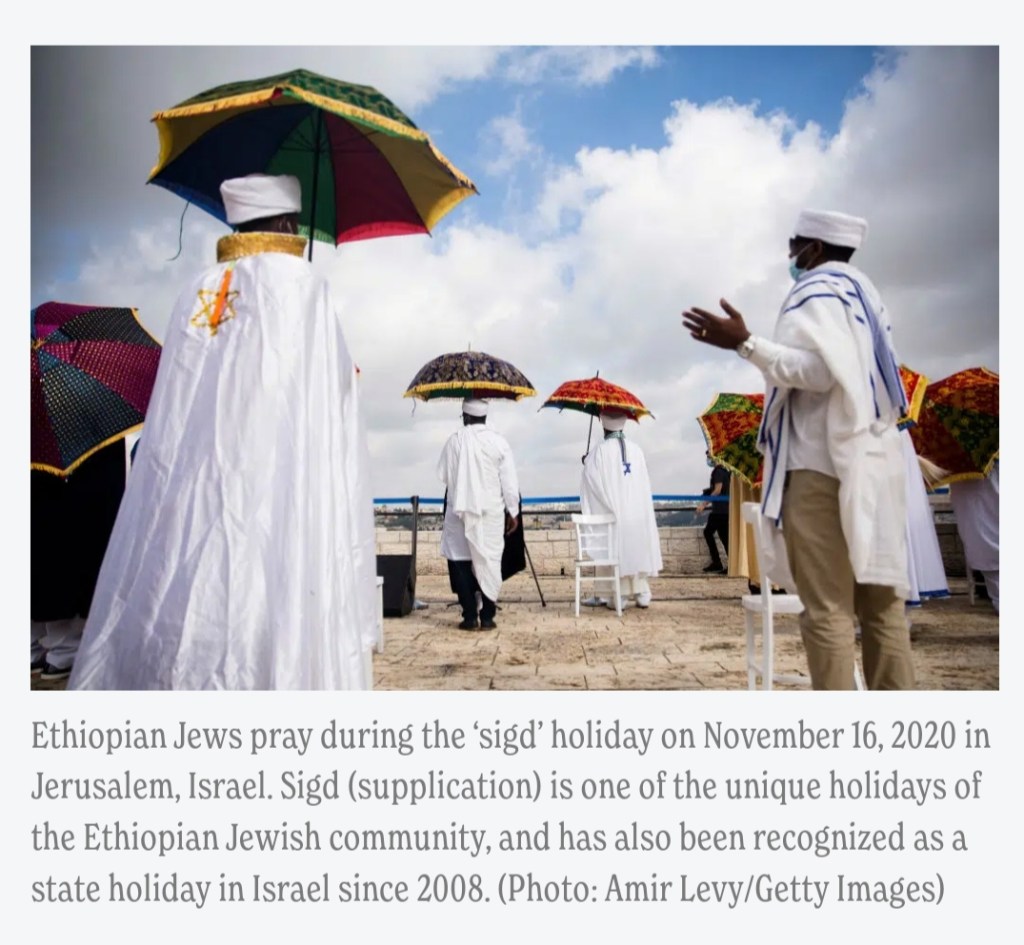
So, what’s the story with Black African Jews? Aren’t all Jews white Europeans? No, absolutely not. Apart from the Mizrahi Jews (Jews from the Middle East, Asia and North Africa), there are West-African Jews, too. The story of the “Beta Israel” (Ethiopian Jews) is incredible. Listen to this!

The Beta Israel are the descendants of Jews who migrated to West Africa during the Babylonian Exile. They were isolated from other Jewish communities for more than a thousand years. The Western world did not know the Beta Israel existed, and they themselves didn’t realize there were other Jews in the world – they thought they were the only ones who had survived the exile. For centuries, they lived in more than 500 small villages in Northern Ethiopia, where they held on to their faith and their identity against all odds and under religious persecution. In the 19th and 20th centuries, many of them were forced to convert to Christianity. Those people are now known as the Falash Mura.

In the 1970’s, the Beta Israel finally made contact with the Jewish community in Israel. When the Ethiopian Civil war broke out in the 1980’s, Ethiopian Jews, driven to despair by war, famine and persecution, fled to Sudan, where they stayed in refugee camps. Their dream was to immigrate to Israel and finally be safe. And they made it happen.

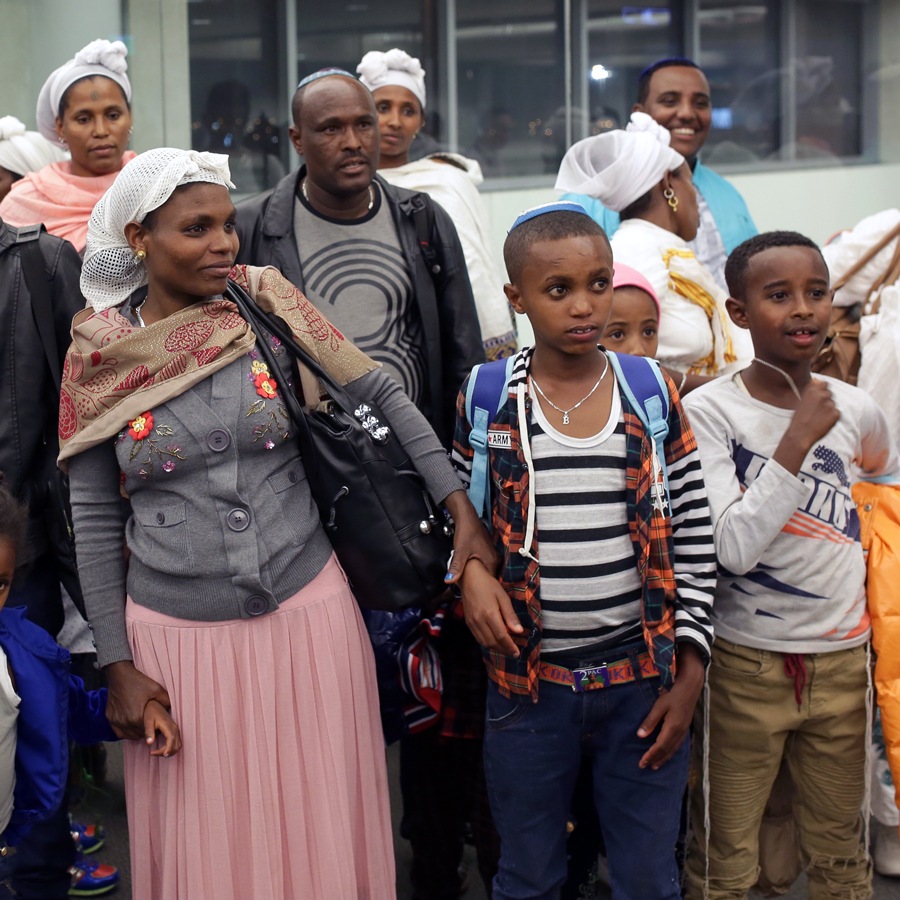
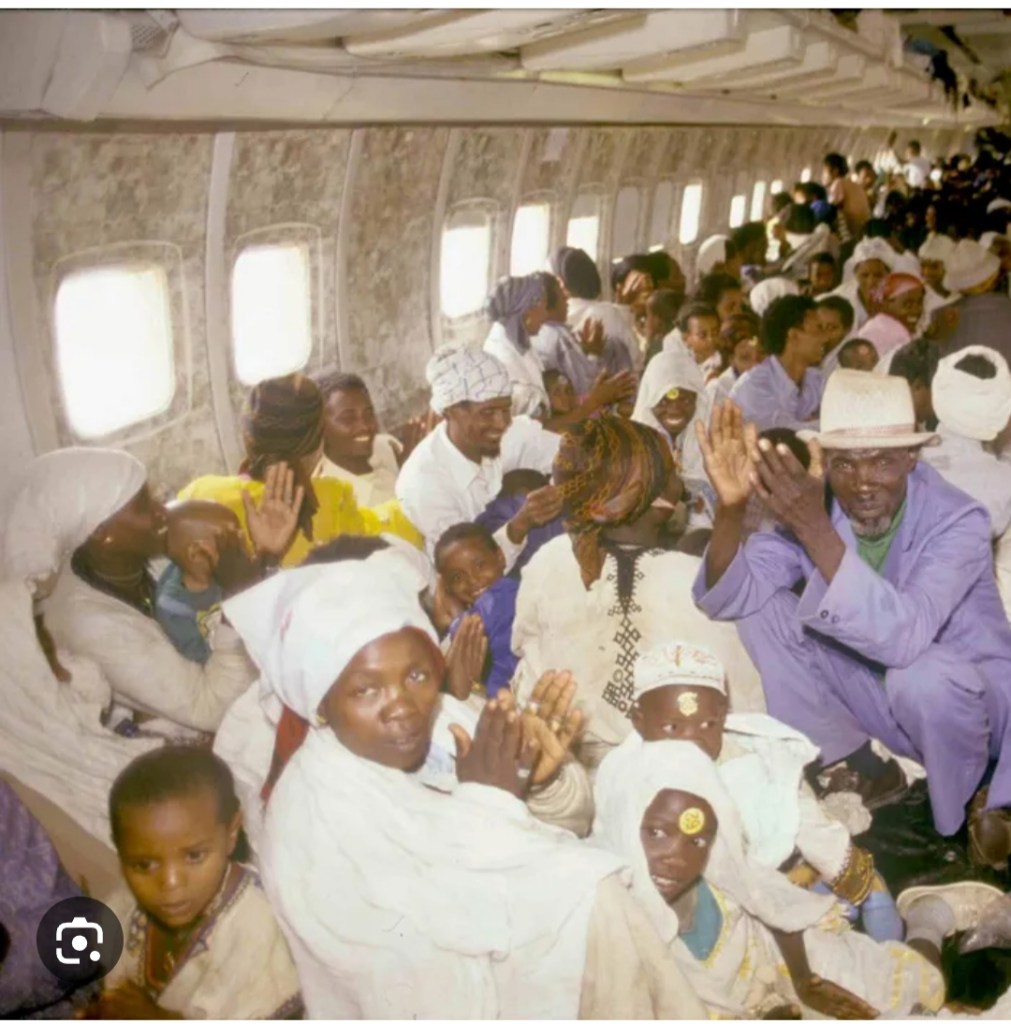
Working together with the Beta Israel, the Israeli government managed to arrange a series of incredible rescue missions with names like Operation Moses and Operation Solomon. 45,000 Ethiopian Jews were flown to Israel in airplanes with the seats removed to fit more people. There aren’t many moments in Israeli history that make me feel proud and tearful, but this is one of them.

.

.

But not all Ethiopian Jews made it to the flights. As many as 4000 people perished during the journey to Sudan and in the refugee camps. They walked through the desert on foot, a journey that could take up to a month. And the Sudanese were not exactly friendly and welcoming. The Jews faced hostility and violence as well as hunger and exhaustion. The rescue operations were incredibly complicated, involving undercover agents in Sudan and depending on absolute secrecy. Arab countries did not agree with helping Jews and Sudan did not want it known that they were allowing this. Many people had to wait in the camps for years and died from illness and violence. The road from Ethiopia to Sudan was a trail of tears. What the Beta Israel went through to finally get to Israel is unimaginable.

So, is the life of Ethiopian Jews better in Israel? According to the Ethiopian people I know, yes, definitely. They now live in an economically wealthy country, where they do not have to suffer hunger and persecution. They can exercise their faith freely, they have access to education, healthcare and benefits. But there are dark sides to this story, as to every story.

The cultural gap between the Beta Israel and other Israelis was huge. Ethiopian Jews spoke Amharic, a language no other Israeli understood. Their African customs were very different from those of the rest of Israel. They ended up marginalized, in poor neighbourhoods, with a high unemployment rate and little interaction with other Israelis.

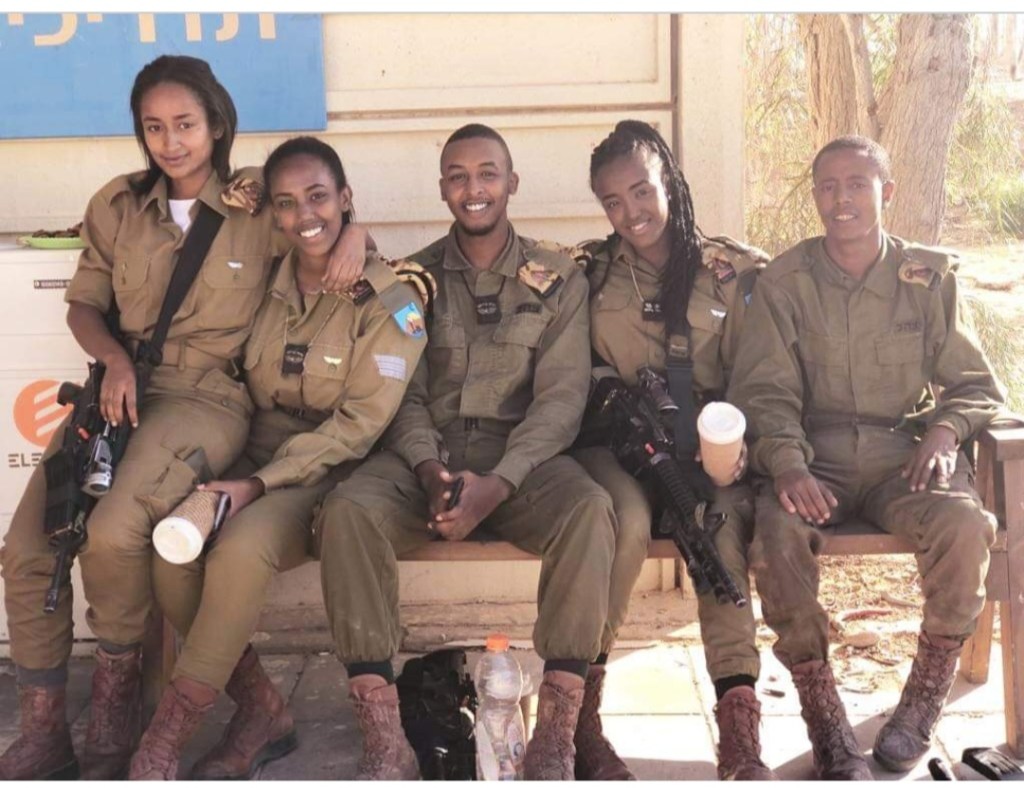
At this time, around 160,000 Jews of Ethiopian origin live in Israel. The second generation, the children of the immigrants, are changing things around. Education and employment rates are much higher. They serve in the army, they speak Hebrew as their native language (in addition to Amharic), and they are proud of being Israeli, as well as Ethiopian.

.

But of course, things are not perfect. Far from it, in fact. The Ethiopian community in Israel faces discrimination and mistrust. Police brutality against Black people has been happening here, too. Missing and murdered Ethiopian Israelis get far less public attention than non-Black Israelis. We still have a long way to go to address these injustices.

But Ethiopian Jews are an incredible strong and resilient people. They held on to their identity through thousands of years of isolation and persecution. They face their challenges in Israel and they fight for change. They assimilate, but without losing their unique culture. They carve their own path. Personally, I am in awe of them.

The gorgeous and talented Eden Alene, who represented Israel in the Eurovision song festival in 2021.

Kibbutzim

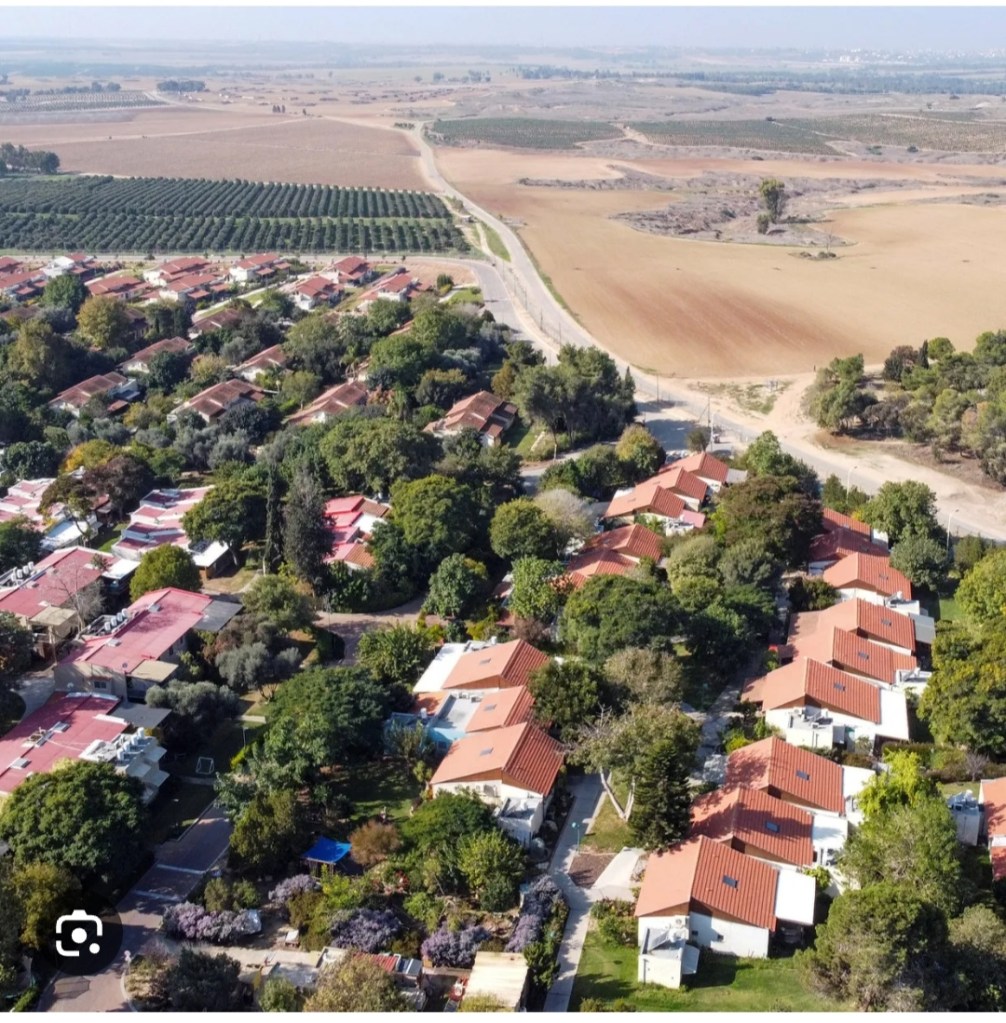
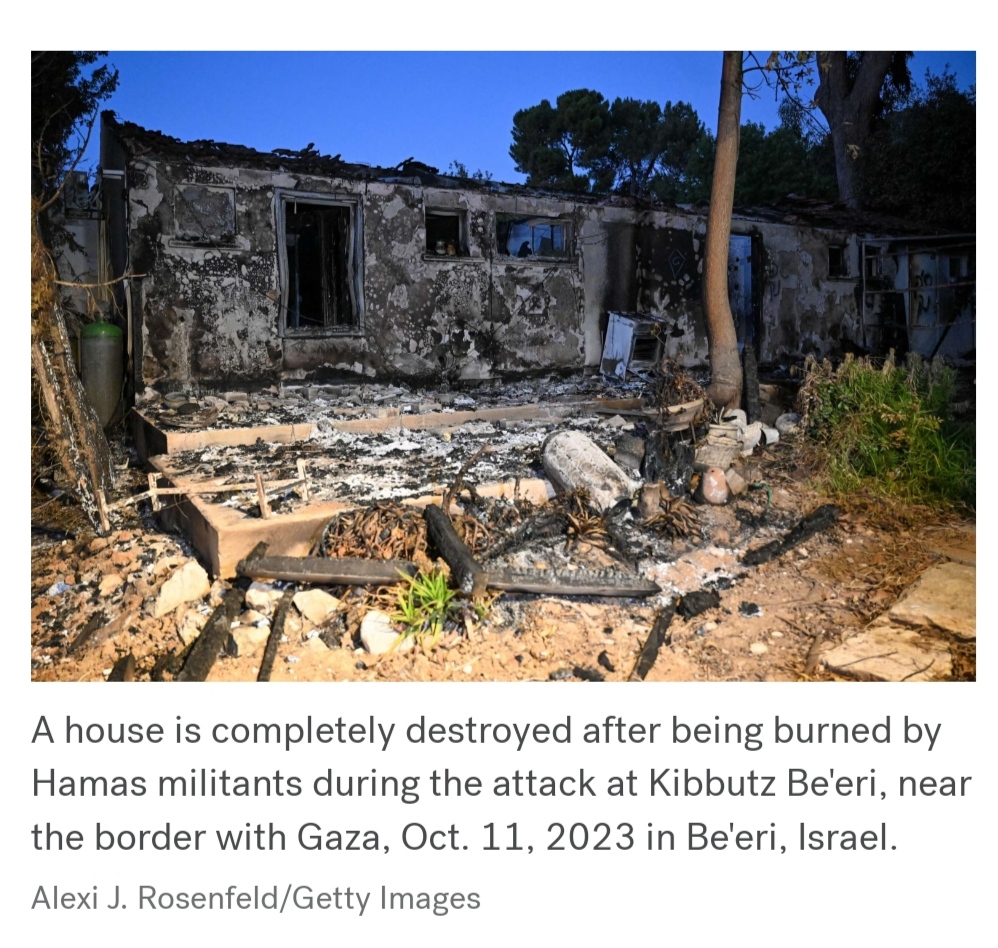
On October 7, 2023, several kibbutzim (plural of kibbutz) in the immediate surroundings of the Gaza strip were raided by Hamas terrorists. The kibbutzim Be’eri, Nir Oz, Nahal Oz, Kfar Aza, Alumim, Nir Yitzhak, Magen, Sufa and Re’im were invaded, massacred and burned. The singed ruins of the once lively communities now stand silent and deserted.

So what’s a kibbutz? That’s some sort of socialist commune, right? Some sort of Soviet experiment that Russian Jews brought to Israel. Excuse me, Russian Zionists. They must have stolen the land from poor Palestinians and brought their racist, communist ideology with them. Right?

Wrong. On every account. Let me tell you what kibbutzim really are, and their history. What’s my authority for telling this story? I live in one. I have lived in a kibbutz for twenty years. I know how they work. I know the good and the bad, the beauty and the ugliness inside out.

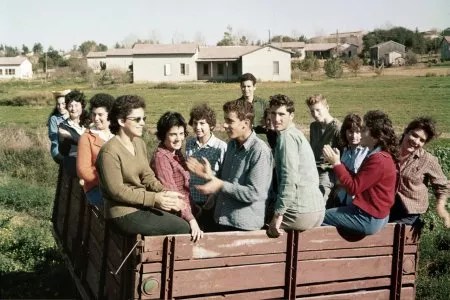
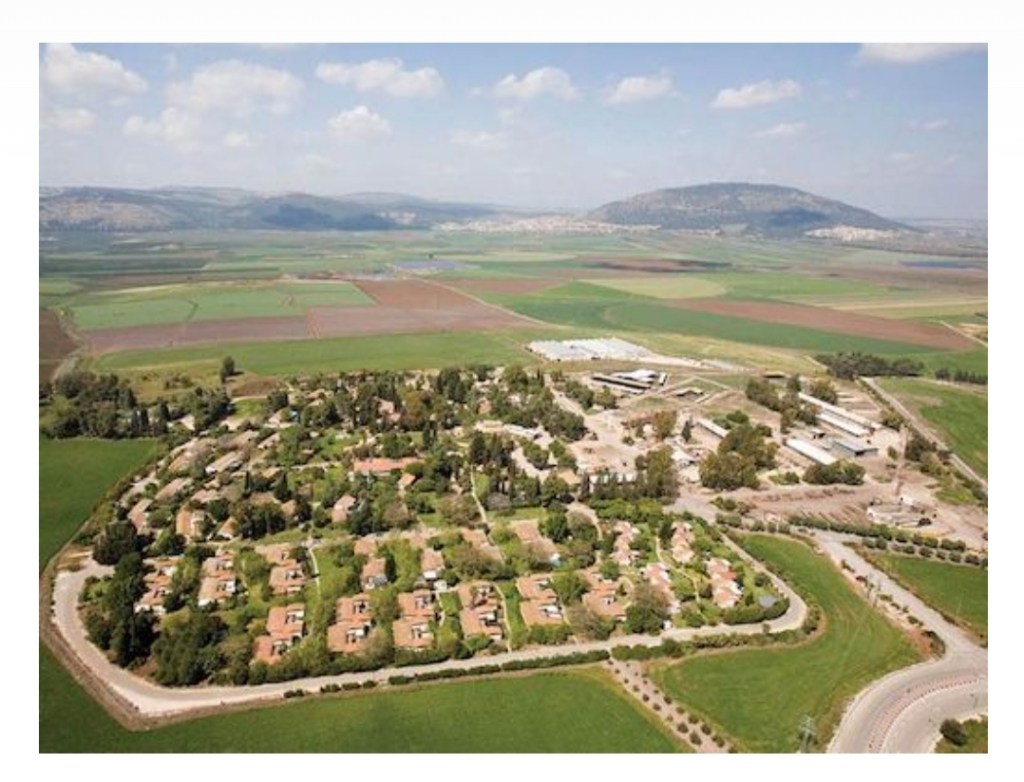
A kibbutz is an agricultural community based on equality and sharing of resources. The word “kibbutz” literally means “gathering”. The first ever kibbutz was founded in 1910, long before the state of Israel existed, even before the British Mandate existed. The land now known as Israel/Palestine was part of the Ottoman Empire. Jews and Arabs both lived in the area. Since the late 19th century, a steady trickle of Russian and Eastern European Jewish immigrants had been coming into Palestine, fleeing from the frequent pogroms. (A pogrom is a violent attack on Jewish people, with the aim of killing them, seizing their possessions and expelling whoever is not dead.)

Palestine in that time was a harsh environment. Some parts were hot, dry and rocky, and other parts were swampy and full of malaria mosquitoes. Individual people didn’t manage to make a living from the land. The only way to survive was to stick together and to form collectives. Groups of Jews bought land together to establish farms. Bought it. They bought the land, they did not steal it. Yes, I know. Astonishing!

The first kibbutz was Degania (cornflower). It still exists, on the shore of the Sea of Galilee. More kibbutzim followed. People bought land collectively and shared everything equally: work, food, housing, money. This way of living and farming was successful because people worked together and shared labour and expenses, while equally sharing in the harvest and the profit (if any). These first immigrants were from Russia and Europe, so the kibbutzim that were founded in this early period consisted mainly of Ashkenazi Jews. The wave of immigration of Mizrahi Jews from the Arab countries came much later. They were also largely secular. Kibbutzim are still predominantly non-religious.

Over time, the kibbutz socialist ideology developed: everyone had to contribute equally and was rewarded equally. Meals were eaten together in the dining hall and holidays were celebrated collectively. Children lived separately from their parents in the “children’s house”. Both parents went out to work the land, while other kibbutz members looked after the children. Kibbutz leaders were elected democratically and every decision was made by voting. Everything was owned collectively and each member got the same salary, no matter what job they did.

In the 1960’s and 70’s, this communal style of living appealed to the flower-power generation in Europe and the USA. It became popular for Jewish and non-Jewish young people from all over the world to travel to Israel and volunteer on a kibbutz for some time, sharing in the work and the unique way of life of the kibbutzniks (kibbutz members). In fact, a number of famous people were at some point in their life kibbutz volunteers, like Jerry Seinfeld, Bob Dylan, Sigourny Weaver, Simon le Bon, Bernie Sanders and Boris Johnson.

This is how I ended up there. I’m one of the last foreign volunteers to come to Israel. I went for a kibbutz experience in 1999, all wide-eyed and eager and interested. It was honestly one of the best times of my life. Working in the fields, making friends with kibbutzniks and other volunteers from all over the world, travelling and experiencing new things every day.

Then, in 2000, the Second Intifada started. This was a wave of violence directed at Israelis from Palestinians, in the form of suicide bombings, shootings and stabbings. A total of 773 Israeli civilians were killed in this way over the course of 5 years. Israel became a no-go area for foreigners. The stream of volunteers from Europe and the USA, Japan and Korea dried up. Israeli kibbutzim began to rely heavily on Thai foreign workers in agriculture. No young, idealistic people wanted to come for a volunteer kibbutz experience anymore.

Except me. I never left. I had fallen in love with a kibbutznik and married him. We lived, worked and raised our children in that same kibbutz. My husband was born and raised here, and so was his father. My father-in-law was born in 1945 in Israel, to refugees from the Holocaust in Poland. His childhood was far from easy, I would even say traumatic. At that time, children were separated from their parents at 6 weeks old. They went to live in the “children’s house”, where they were taken care of by nannies, so their parents could go and work on the land. They had no choice. Their life was hard work, poverty and war, and they did what they had to, to survive. My father-in-law saw his parents a total of two hours a day. He remembers being jealous of the dog, because the dog could stay and sleep at home, while he had to go back to the children’s house.

The separation of families was one of the hardest things to hear about and one of the dark sides of kibbutzim. Many children grew up disconnected and insecurely attached. Fortunately, this changed in the early seventies. My husband and his siblings lived with their parents, although they spent a lot of their time in daycare, at school and in after-school groups. This was the kibbutz mindset: everyone worked hard, men and women, and children were cared for collectively. My husband remembers his childhood as a great time, always in a gang of friends, playing sports, going on adventures, celebrating holidays.

When I came to the kibbutz, life was still very much communal. People ate in the dining hall, put their laundry in to be washed in the shared laundrette, drove cars that belonged to the kibbutz (you had to put in a request if you wanted a car to go somewhere), and even shared the traditional blue work clothing. Everyone got the same salary, from the dishwashers to the factory manager.

But that way of life was starting to fall apart at the seams. The flipside of sharing everything is losing freedom and individuality. Young kibbutzniks were not happy with the restrictions put on them. They had to work in the kibbutz, they couldn’t own a car or travel abroad when they wanted to. There were so many things they had to do: go to school, work, do kibbutz chores (kitchen duty etc), serve in the army… They longed to break free. They saw their friends from towns make their own money, buy their own cars, own their own houses. They wanted to study, work in hightech, travel the world and be successful. Not break their backs in the cow shed or on the cotton fields, like their parents had done.

So in the end, capitalism won out. Most kibbutzim started the privatization process and became more like regular villages or neighbourhoods. But figuring out who owns what and who deserves what is no easy task. Our kibbutz’s dining hall is closed. The laundrette is now a corner shop. The childrens’ house has been converted to rented appartments. Most people work outside the kibbutz and own their own house. But the process was extremely slow and difficult and came with a lot of arguments, fallings out, people quitting or getting fired, outside interference, anger and frustration.

And that’s the other thing. See, people get fed up with each other when they have to see each other day in, day out. You can’t escape each other. Our kibbutz is very small and everyone knows each other. Not only that, but everyone knows everything about each other. The good, the bad and the ugly. It’s kind of like a never ending family party, where you cannot escape the creepy uncles, the bitchy cousins, the complaining old aunts. Nothing is a secret. And nobody is perfect. Everyone has things they prefer not to let the whole family know. Well, too bad. Gossip is currency. Also, no matter how much you like someone, after meeting them on the kibbutz paths five times in the same day, you duck behind a fence so you don’t have to say: “Ah haha, we meet again, next time coffee!” Again. For the millionth time.

But in the end, I love my kibbutz. And no matter how often I argue with my neighbours or grit my teeth over people driving their cars on my grass, I love my kibbutz family. Some of them have died in terror attacks or in wars. Some of them are fighting in Gaza as I am writing this. After October 7, this tsunami of grief and fear has bound us together like never before.

Here’s to kibbutz Be’eri, to Kfar Aza and Nir Oz. Here’s to all those kibbutzim that were overrun, massacred and burned. Hamas will not win. Kibbutzniks are some of the toughest people alive. They will come back and live there again, work the land and honour their dead. As they have always done, since the beginning.

Mizrahi Jews

Jews are white people, right? They have German and Polish sounding names and they come from Western and Eastern Europe. They are basically white colonists, occupying the land of the indigenous people of Palestine. That’s the narrative that is being spread lately, anyway.

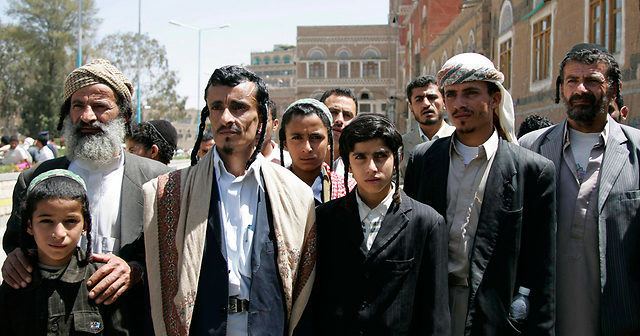
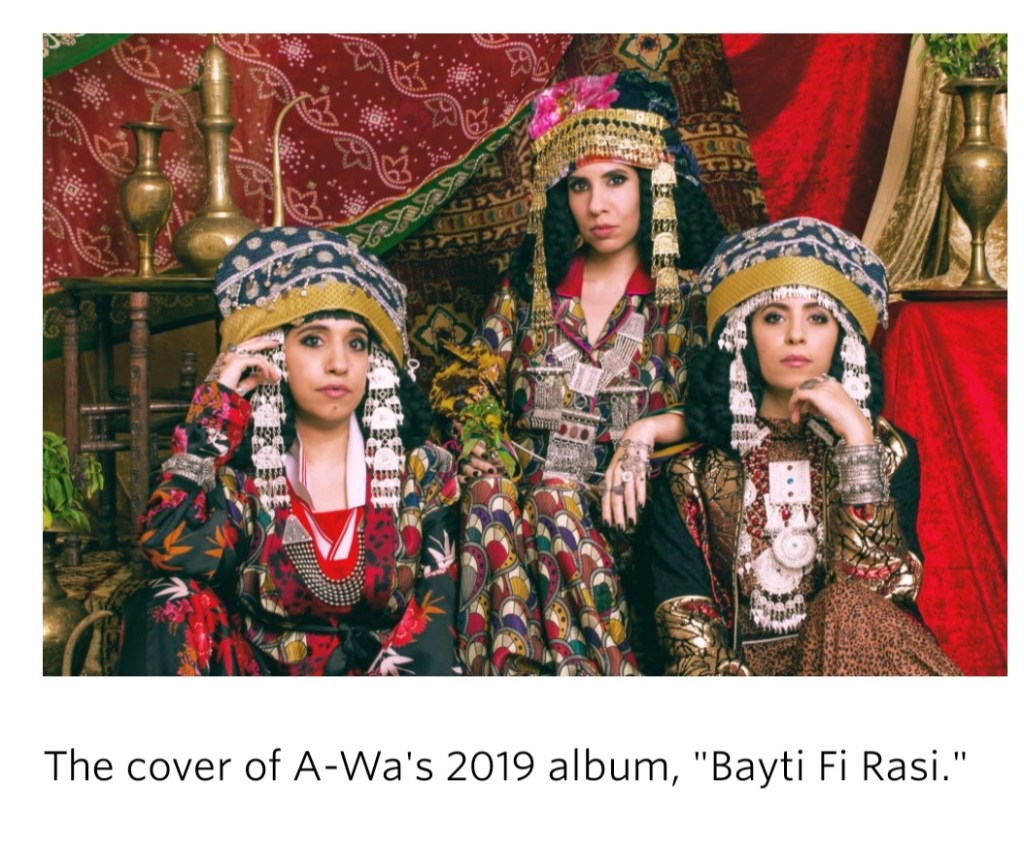
But nothing could be further from the truth. Jews come in all colours and cultures, and many of them have lived on the Arabian peninsula for thousands of years. Mizrahi Jews are people whose ancestry is traced back to Yemen, Jordan, Lebanon, Syria, Iran, Iraq – even Palestine itself. Yes I know, shocker!!

This is from the “Jews from the Middle East Fact Sheet” of the Jewish Voice for Peace:

“Of 7 million Israelis, 35-40% are Mizrahim, 15% are Russian immigrants, 20% are Palestinian Israelis, 2.2% are Ethiopian, and 25-30% are Ashkenazi Jews and others. This means 55-60% of the Israeli population is ‘non-white’; together, Mizrahim and Palestinian Israelis form a majority.”

As you probably know and accept, Jews originated from the land we now know as Israel. In the 6th century BCE, their country was invaded by the Babylonians and many of the Jews fled – an event known as the Babylonian exile. Some of them travelled far and wide and settled in Europe, Poland and Russia. Their descendents are now called Ashkenazi Jews. They have lighter skin, hair and eyes and some of them still speak Yiddish, which contains elements of Hebrew, German and Eastern European languages.

But most Jews did not travel that far, or in that direction. Many settled closer to Israel, in Egypt, Jordan, Lebanon and Syria. Others spread out over the rest of the Arabian peninsula and stayed in Saudi Arabia, Iraq and Yemen, and some ended up in Persia (Iran) and Turkey. Yet others moved to Northern Africa and settled in Morocco, Libya, Tunesia and Algeria. These Jews are now known as Mizrahi (or Sephardic) Jews. Their skin, hair and eyes are darker. They speak many languages, but not Yiddish. Their culture and customs are very different from those of the Ashkenazi and share a lot of similarities with Arabic cultures.

In the Second World War, 85% of the Jews that were murdered in the Holocaust were Ashkenazi. Most of the Jews in Germany, Poland, Eastern and Northern Europe were wiped out in a huge-scale, monstrous act of genocide. We all know about this. (And if you don’t, you should). My husband’s family from his father’s side is Polish. His grandparents were the only ones in both their families who survived. They emigrated to Israel in an attempt to leave the unspeakable horror behind. But his other set of grandparents came to Israel from Iran. And they were not running from the European Holocaust. They were fleeing from something else.

After the Declaration of Independence of the State of Israel in 1948, all Arab countries surrounding Israel declared war. They did not want a Jewish state next to them. In fact, they decided they did not want any Jews inside their own countries, either. This led to the Jewish Exodus from the Muslim world. Around 900,000 Mizrahi Jews were expelled from all Arab and Northern African countries. An estimated 650,000 of these people fled, often on foot, to Israel, which, against all odds, managed to hold its own against the entire Arab world, and even won the war.

And then, there were the Jews who never left. Yes, some Jews stayed where they were after the Babylonians took over. They stayed when the Greeks and the Romans came and went. They stayed through all the Crusades. The country was called Canaan, the Holy Land, Mandatory Palestine. It was ruled by Romans, Christians, Muslims and later the British. But Jews have always lived in Israel. They have sometimes been called Palestinian Jews. But really, they were the original Israelis, who simply never left. Jews are indigenous to Israel, just as much as Arabs are.

So wait a moment before you shout “from the river to the sea”. Do some research. Where do you want the Jews to go? Back to where they came from? The majority of them came from Arab countries, where they were harassed, persecuted, stripped of their citizenship and expelled. None of the Mizrahi Jews can “go back to where they came from”. They would be either deported or simply killed instanty. If you remember, Muslim countries hate Jews. “From the river to the sea” is a call for a death sentence to all Jews. Do you really want to be a modern Nazi?

This very compact history of the Mizrahi Jewish people is obviously extremely simplified. And their immigration to Israel did not go without a hitch. European Jews and Middle Eastern Jews were so different from each other that many problems arose between them. Mizrahi Jews felt like second class citizens, discriminated against and pushed to the side. Some still feel like that. Their feelings are valid and the injustice done to them must be addressed.

Also, I am not in any way saying that Arab Israelis / Palestinians are not indigenous to Israel. They are. But so are Jews. And we must find a way to live together. I believe it can be done. But not with Hamas.